



Foliage Gains Vitality
During winter, your houseplants often adopt a subdued appearance, their leaves lacking the usual luster and vibrant green hue. You might notice a general
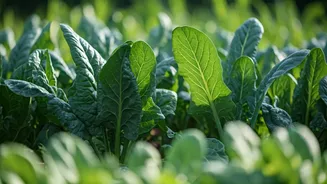
paleness and a less glossy finish on the foliage. However, as the hours of daylight increase and ambient temperatures rise, pay attention to any subtle improvements in your plant's overall look. If your plants begin to appear more perky and their leaves regain a richer color, it’s a strong indication they are gradually stirring from their winter rest. While it’s wise to maintain your established winter watering schedule until more definitive signs emerge, this transitional phase is an excellent opportunity for a little pre-growth pampering. Gently wipe down the leaves with a damp cloth to remove any dust accumulation, carefully trim away any brown or damaged leaves that may have succumbed to the winter chill, and consider slightly increasing watering frequency, always ensuring you check the soil's moisture level before doing so.
New Growth Emerges
The most definitive confirmation that your houseplants have bid farewell to their winter slumber and embraced the growing season is the unmistakable appearance of new growth. This can manifest as fresh leaves unfurling, delicate shoots pushing upwards, or vibrant sprouts emerging from the soil. Even if these new developments are still tightly furled and exploring their surroundings, their presence is a clear botanical announcement. For instance, spotting a newly forming leaf on your Monstera deliciosa, a cluster of tiny leaflets appearing on a Jade plant, or young shoots bravely pushing through the soil of a Snake plant are all compelling evidence that the active growing period has commenced. Once you observe this new life, anticipate that your plant's water requirements will increase. It also marks the opportune moment to introduce the first diluted dose of houseplant fertilizer for the season, providing essential nutrients to stimulate even more vigorous leaf production and overall plant development.
Buds Begin Swelling
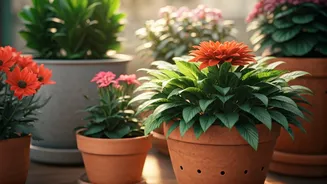
Before your plant commits to producing entirely new leaves or flowers, it often provides a preview of upcoming growth through swelling buds. A close inspection of the stems and growing tips might reveal these small, developing structures that are poised to transform into new foliage or even blossoms. For plants that typically flower indoors, such as African violets that often grace us with blooms in the spring, keep an eye out for clusters of flower buds that are tightly closed but showing signs of imminent opening. The presence of these developing buds signifies that the plant is investing energy into future growth. At this stage, it's appropriate to increase your watering routine. However, it’s crucial to continue checking the soil's moisture level diligently during this transitional period. This attentiveness helps prevent overwatering, which can be detrimental even as the plant is preparing to flourish.
Soil Dries Out Quicker
An increase in daily sunlight directly fuels your plant's ability to photosynthesize, producing more energy to break free from dormancy and initiate new leaf, root, and bud development. As your plant becomes more metabolically active and begins to 'wake up,' its demand for water escalates considerably. Consequently, the soil in its pot will likely start to dry out much faster than it did throughout the winter months. This accelerated drying rate is a clear signal to begin watering your plant more frequently, providing the hydration necessary to support its burgeoning new growth. For many common houseplants that experience a distinct dormancy phase during winter, such as Alocasia species, consistent watering is essential to trigger the commencement of a new growth cycle as spring approaches. When watering, rely on tactile checks of the soil's moisture using your finger or a moisture meter rather than adhering to a rigid watering schedule. This personalized approach ensures your plant receives the appropriate amount of water without the risk of over or under-hydration.