




Origins of the Day
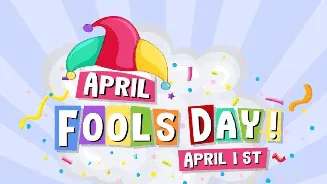
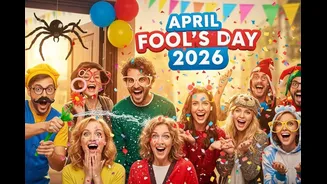
April 1st is globally recognised as April Fools' Day, a time dedicated to playful deception and lighthearted jokes. While its precise beginnings are somewhat
veiled in mystery, a prominent theory connects its inception to France in 1582. This was the year the nation adopted the Gregorian calendar, which moved the New Year's celebration from around late March to January 1st. Individuals who persisted in celebrating the new year in late March or early April were subsequently subjected to ridicule and labelled "April fools," thereby sowing the seeds for this unique tradition. Other historical hypotheses suggest a link to the unpredictable nature of seasonal changes near the spring equinox, or even to ancient Roman festivals like Hilaria, which were characterised by costumes and merrymaking. Over centuries, this custom transcended borders, spreading across Europe and eventually becoming a worldwide phenomenon.
Modern Day Festivities
In contemporary times, April Fools' Day has embraced a wide array of celebrations, significantly amplified by digital platforms. Social media buzzes with imaginative pranks and widely shared fake announcements, while friendly jokes continue to be a staple among family, friends, and colleagues. Brands and media outlets also participate by releasing clever hoaxes, further extending the day's reach. The interactive nature of online spaces allows for pranks to be more creative, visually engaging, and widely distributed than ever before. From amusing WhatsApp statuses to office-wide gags, the day provides a refreshing interlude from the ordinary, encouraging participants to inject humour into their interactions while remaining considerate of others' feelings and boundaries.
Sharing the Laughter
April Fools' Day presents ample opportunities to share joy through witty messages and humorous anecdotes. For friends, you might send a playful message like, "I just saw you on the news. What mischief have you been up to?" or "Just letting you know I've decided to become a professional mime – wish me luck!" Partners can receive amusing surprises such as, "Guess what? I booked us a skydiving session for today. No turning back now!" or "Your leftovers have been consumed. Also, the dog is now my undisputed favourite." In the workplace, lighthearted jokes could include: "Exciting news – we're all getting a 50% raise! Just kidding, of course," or "Just a heads-up, the coffee machine has been upgraded and now only accepts voice commands." Even a simple WhatsApp status can spread cheer with phrases like, "Trust absolutely no one today. Not even yourself," or "Breaking news: I finally located that missing sock!"
Simple, Harmless Pranks
Executing successful April Fools' Day pranks relies on ingenuity and a commitment to keeping things light and fun. A quick and easy trick is the 'ghost mouse': simply cover the optical sensor of a computer mouse with a small piece of tape, rendering it temporarily inoperable. For a surprising visual gag, try the 'fridge surprise' by placing googly eyes on various items inside the refrigerator, creating an amusing shock for the next person to open it. Another simple yet effective prank is the 'fake memo,' where you post a notice suggesting a device now requires a special "security code" to function. Tech-savvy individuals might employ the 'broken screen trick,' using a cracked-screen wallpaper on a phone to convince friends that the device has been damaged. The underlying principle for all these playful deceptions is to ensure they cause no distress, financial harm, or lasting inconvenience.
The Golden Rule
The fundamental essence of April Fools' Day lies in its celebration of harmless mirth and lighthearted jests. The most successful and memorable pranks are those that avoid causing genuine fear, distress, or any form of financial or personal damage to individuals. A prank is truly successful when everyone involved, including the intended target, can laugh about it afterwards. It's crucial to consider the aftermath; if a prank is difficult to undo, explain, or clean up, it's generally best to refrain from executing it. Beyond the immediate amusement, this day subtly underscores the cultural significance of humour in our daily lives, providing a gentle reminder to pause, share a laugh, and not take everything too seriously. In our often fast-paced and demanding world, even the simplest joke can foster connection and shared moments of happiness.