




Better Sleep Achieved
Consistently incorporating calming herbal teas like chamomile into your daily regimen can lead to a noticeable improvement in sleep quality within a month.
Research from 2024 indicates that regular chamomile intake significantly enhances subjective sleep quality and reduces nighttime awakenings, particularly after two to four weeks. This effect is largely attributed to apigenin, a flavonoid present in chamomile that interacts with GABA receptors in the brain, fostering a sense of relaxation without acting as a sedative. The cumulative effect of daily consumption helps to establish and support more robust sleep patterns over an extended period.
Digestive Comfort Boost
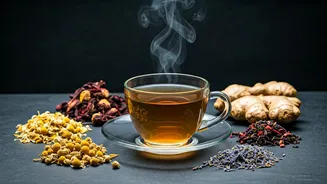
Herbal teas such as peppermint and ginger are renowned for their digestive benefits, and making them a daily habit can alleviate bloating and abdominal discomfort over several weeks. Scientific evidence suggests that menthol, the primary active compound in peppermint, helps to relax the smooth muscles of the intestines, thereby reducing spasms often associated with indigestion and Irritable Bowel Syndrome (IBS). Additionally, ginger has been proven to aid in gastric emptying and mitigate feelings of nausea. Over a 30-day period of consistent intake, these effects can translate into fewer digestive disturbances and a greater sense of gut well-being.
Blood Pressure Modulation
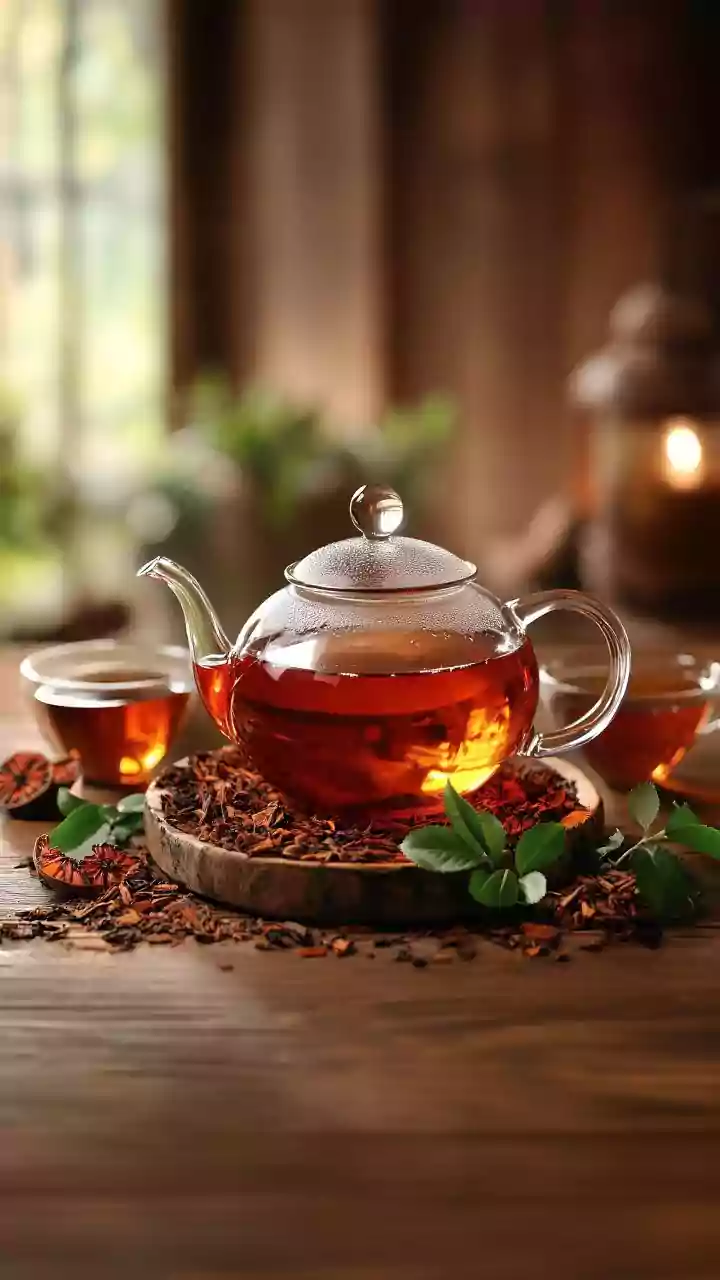
If hibiscus tea becomes a daily fixture in your routine, expect potential benefits for your cardiovascular system within a month. A controlled trial indicated that consuming three cups of hibiscus tea daily resulted in lower systolic blood pressure in adults with pre-hypertension after six weeks. A subsequent meta-analysis corroborated these findings, highlighting similar reductions, especially among individuals who initially had elevated blood pressure readings. This suggests a measurable positive impact on blood pressure management through regular hibiscus tea consumption.
Stress Response Balance
The regular consumption of herbal teas can gently influence how your body manages daily stressors. According to nutritionists, herbs like chamomile and lemon balm have been observed to reduce symptoms of mild anxiety when taken consistently over several weeks. These botanicals appear to play a role in regulating neurotransmitters involved in stress response, including pathways related to GABA and serotonin. While these effects are subtle, a month of daily intake can contribute to greater emotional stability and a more serene baseline, particularly when facing periods of mental strain.
Hydration Without Jitters
Unlike caffeinated teas, most herbal infusions are naturally caffeine-free, contributing to your daily fluid intake without negatively impacting your hydration balance. Research indicates that beverages without caffeine hydrate the body just as effectively as plain water. Incorporating herbal tea into your daily routine for 30 days can help you meet your fluid requirements while simultaneously avoiding sleep disruption or feelings of restlessness. This makes herbal teas an excellent choice for hydration, especially for evening consumption.