







What Is Heat Rash?
Heat rash, also known as prickly heat or miliaria, emerges when your body's cooling mechanism goes slightly awry during sweltering conditions. In hot and
humid weather, our skin sweats profusely to regulate body temperature. However, if sweat ducts become blocked, the perspiration gets trapped beneath the skin's surface. This stagnation irritates the skin, leading to the characteristic discomfort and appearance of heat rash. Factors like tight clothing, excessive sweating, friction from skin-on-skin contact or clothing, and general stickiness can further clog these sweat pores, worsening the condition. Individuals who are more susceptible include babies, those who work outdoors, and anyone spending extended periods in high temperatures.
Heat Rash vs. Hives
It's crucial to distinguish heat rash from hives, which are often mistaken for one another. Unlike hives, heat rash is not contagious and develops purely from the physical process of blocked sweat ducts and excessive perspiration, rather than an infection or transmission between people. Heat rash typically manifests as a cluster of small, red or clear bumps accompanied by an irritating prickling or stinging sensation, predominantly in areas where sweat naturally collects, such as the neck, chest, and underarms. Hives, on the other hand, are raised, swollen welts that appear suddenly due to an allergic reaction or an immune system response. They are typically larger, paler in the center, intensely itchy, and can appear anywhere on the body, often changing shape and location before resolving within a few hours, unlike the persistent nature of heat rash.
Preventing Summer Irritation
With soaring temperatures, proactive measures are essential to maintain skin comfort. Limiting your direct exposure to intense heat, especially during the peak afternoon hours, is a primary defense. Seeking refuge in well-ventilated spaces or air-conditioned environments significantly reduces sweating, thereby preventing sweat duct obstruction. Regular showers using cool or lukewarm water can help cleanse the skin and keep it feeling refreshed. Prioritizing a cool and dry skin environment is paramount in avoiding the onset and aggravation of heat rash during periods of extreme heat.
Cooling Foods Guide
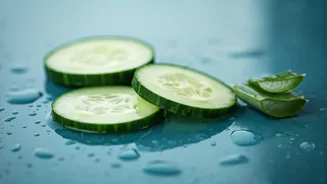
Hydration and diet play a significant role in managing and preventing heat-related skin issues. Incorporating 'water foods' into your diet is highly recommended to help cool your body and maintain adequate fluid levels. Excellent choices include cucumber, watermelon, muskmelon, and coconut water, all of which contribute to keeping your system hydrated and aid in internal cooling when the weather is oppressive. These hydrating foods are also vital for replenishing the fluids lost through perspiration, ensuring your body remains balanced and less prone to heat-induced discomfort.
Soothing Home Remedies
When your skin is feeling irritated from heat rash, several common household items can offer welcome relief. Applying aloe vera gel, known for its cooling and anti-inflammatory properties, can effectively soothe aggravated skin. Similarly, sandalwood paste or calamine lotions can help minimize redness and discomfort. For baths, adding a bit of baking soda or plain oatmeal can further alleviate skin irritation and promote faster healing of any minor abrasions. These simple remedies can provide a calming effect on sensitive, heat-affected skin.
Smart Clothing Choices
Your choice of clothing significantly impacts your skin's ability to stay cool and dry. Synthetic fabrics like polyester, nylon, and rayon tend to trap heat and moisture against the skin. This creates a damp environment that exacerbates sweating and can lead to further blockage of sweat ducts, intensifying irritation and itchiness. Opting for lightweight, breathable materials is key. These fabrics allow air to circulate freely over the skin, facilitating natural sweat evaporation and reducing the likelihood of duct obstruction. It's also advisable to keep clothing clean and dry, changing out of sweat-soaked garments as promptly as possible to prevent the worsening of heat rash.