





Innovative Power Generation
A groundbreaking concept from Latvian startup Deep Space Energy proposes a novel solution to power space missions by harnessing the energy from nuclear
waste. Their advanced radioisotope generator utilizes Americium-241, a byproduct of nuclear storage, to produce electricity. This system employs a highly simplified Stirling engine, which is significantly more efficient than traditional thermoelectric generators (RTGs). While NASA-style RTGs typically convert heat to electricity with efficiencies around 5-6%, Deep Space Energy's dynamic system achieves approximately 25% efficiency. This fivefold increase in efficiency means substantially less fuel is required to generate the same amount of power. Initially conceived for deep space scientific endeavors, the technology's potential quickly expanded to include the burgeoning lunar economy and, more recently, strategic military satellites. The company's CEO, Mihails Ščepanskis, a physicist with a background in simulation software, recognized the broader implications of their more efficient power conversion. This pivot attracted significant attention, leading to their acceptance into the NATO DIANA accelerator, which subsequently facilitated crucial funding and validation for their innovative approach.
The Stirling Engine Advantage
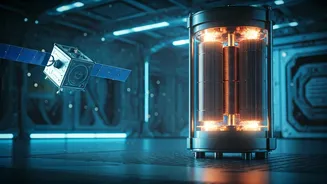
The core innovation lies in the ingenious application of the Stirling engine principle. At the heart of the generator is Americium-241, a radioisotope that emits heat as it decays. This heat is used to create oscillations in pressurized helium gas. This oscillating gas then drives a single piston equipped with permanent magnets, which moves through AC coils. This mechanical motion is what generates electricity. The key differentiator is the dynamic nature of the Stirling engine, which is far more efficient at converting thermal energy into electrical energy compared to the static thermoelectric conversion used in conventional RTGs. This enhanced efficiency is crucial because the availability of radioisotopes is a significant constraint for space exploration, especially for lunar missions. By requiring five times less fuel, this new generator effectively multiplies the potential for powering missions. For satellites, this translates into lighter, more reliable backup power systems that can operate independently of solar power and require minimal in-orbit maintenance, a critical factor for long-duration missions.
Addressing Space Threats
The geopolitical landscape has intensified the urgency for resilient space infrastructure. Mihails Ščepanskis, through his involvement with NATO DIANA, is acutely aware of the threats posed by adversaries targeting strategic satellites. Recent events, particularly in Ukraine, have highlighted the vulnerability of ground operations reliant on satellite intelligence. Cyberattacks designed to disrupt solar power harvesting can cripple satellites, leading to their complete loss. Furthermore, the threat of laser attacks from rival spacecraft and the power drain associated with evasive maneuvers to avoid close-proximity surveillance are significant concerns. During these maneuvers, satellites often expend precious energy, particularly during solar eclipses when their primary power source is unavailable. Deep Space Energy's technology provides a crucial solution by offering a reliable backup power source for the most critical satellite systems, thereby preventing mission failure. Additionally, it can supply independent power for short bursts of electric propulsion, enabling satellites to maneuver effectively and evade threats, even when solar power is compromised. The primary beneficiaries are high-value assets like GEOINT, SIGINT, early-warning, and synthetic aperture radar platforms, which are essential for national security and are too critical to lose.
Lunar Night Operations
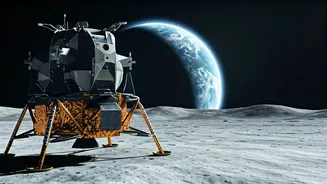
The challenges of operating in space extend beyond the orbital environment to the surface of celestial bodies like the Moon. While satellites in orbit experience relatively short eclipses, the lunar surface endures approximately two continuous weeks of darkness. During this prolonged night, temperatures plummet below -150°C, a hostile environment that renders current lunar rovers inoperable after about 14 days. This limitation significantly increases the cost and complexity of lunar operations, as assets are offline for half of the time. The same compact radioisotope generator developed by Deep Space Energy offers a viable solution to overcome the lunar night. By providing a continuous, independent power source, it allows rovers and other surface equipment to maintain essential systems during the long periods of darkness. This capability transforms lunar exploration from a race against time to a sustained effort, enabling the establishment of a more permanent and reliable presence on the Moon. It also opens up possibilities for operating in permanently shadowed craters, where solar power is perpetually unavailable, unlocking new scientific and resource-related opportunities.
Funding and Future Plans
Deep Space Energy has secured €930K in funding to advance its development. This includes €350K from Outlast Fund and angel investor Linas Sargautis, alongside €580K in contracts from the European Space Agency (ESA), NATO DIANA, and the Latvian government. While the company's long-term vision remains centered on the lunar economy, the immediate focus has shifted to the defense applications of their resilient power solutions for strategic satellites. The next significant milestone is scheduled for 2029, with plans for an electrically heated in-orbit demonstration. The actual deployment of radioisotope fuel is anticipated by 2032, contingent upon the maturation of the supply chain for Americium-241. This timeline reflects the complexities associated with developing and producing the necessary radioisotope fuel, which requires substantial investment and specialized facilities for extraction from nuclear waste. The company is actively working with partners to overcome these supply chain hurdles.
Supply Chain Bottlenecks
The primary constraint currently facing the widespread adoption of this technology is the supply chain for Americium-241. Extracting this radioisotope from nuclear waste is an intricate and capital-intensive process, requiring specialized facilities and advanced expertise. However, Deep Space Energy views this bottleneck not solely as a challenge but also as a potential competitive advantage. Their technology's significantly higher efficiency, requiring five times less fuel than traditional RTGs, makes it more viable even with a limited supply. This efficiency means that a smaller quantity of the radioisotope can power multiple missions, thereby maximizing the utilization of available resources. By addressing the fundamental issue of fuel scarcity through superior engineering, the company positions itself to succeed where others might falter due to production limitations. This strategic approach to managing supply chain constraints is crucial for their long-term success and for enabling the deployment of their innovative power systems.