




Light Exposure Shift
With the sun's return and longer days, your indoor greenery naturally encounters more intense light. While beneficial overall, this shift can sometimes
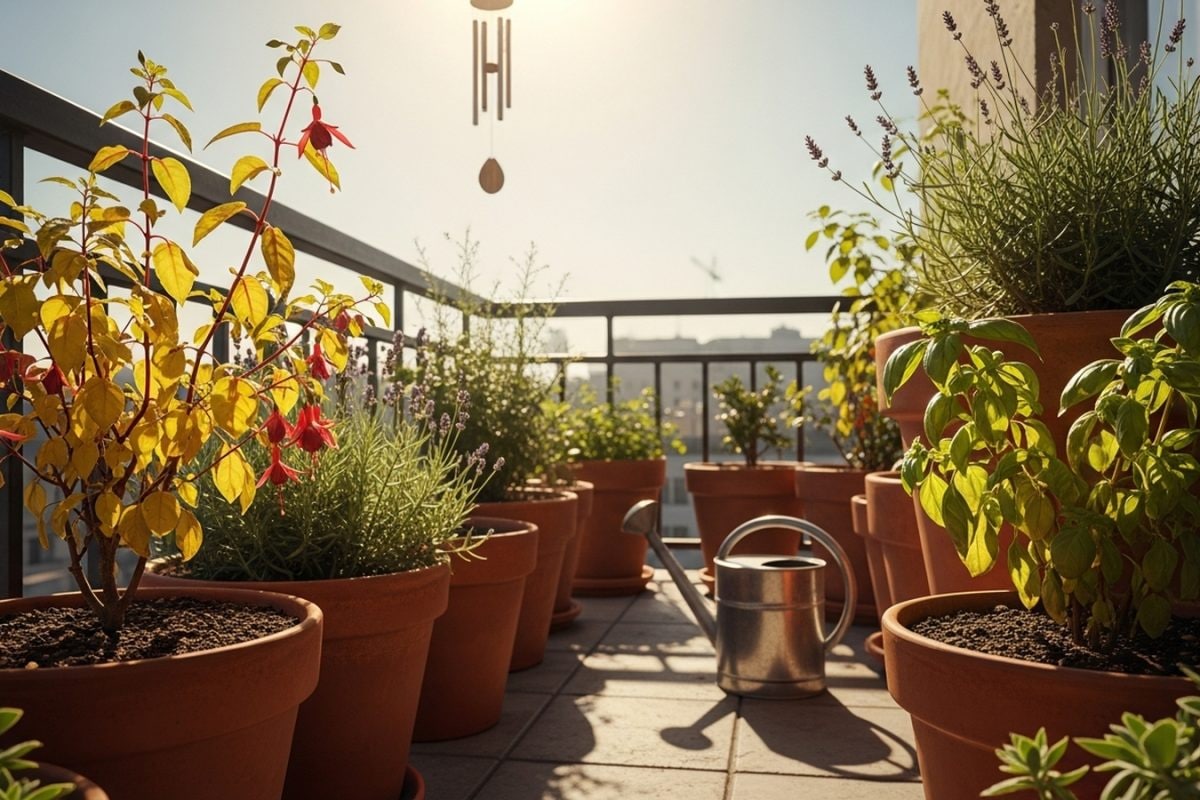
overwhelm plants accustomed to winter's dimmer conditions. If you spot leaves developing yellow, brown, or orange patches before detaching, an excess of light might be the culprit. Consider relocating the plant to a spot further from the window, or opt for an east-facing sill where gentler morning sun prevails. Alternatively, a sheer curtain can diffuse intense rays, offering protection without removing the plant from its sunny spot.
Watering Regimen Adjustments
Increased light in spring means your plants need more water, but adjusting your routine can be a delicate balance. Overdoing it too soon leads to overwatering, while delaying increased watering can cause plants to dry out rapidly. Signs of overwatering include yellowing leaves accompanied by soft, mushy stems. In such cases, reduce watering frequency and allow the soil to dry out completely between waterings; a finger test is a good way to gauge moisture levels. Conversely, if leaves turn brown and crispy and the soil feels parched, your plant is likely thirsty. Provide a thorough watering and monitor soil moisture more often. Improving drainage by repotting with a mix containing perlite or coarse sand can also help prevent waterlogged roots.
Fertilizer Overload
Applying too much fertilizer or doing so at the wrong time can be detrimental to your plant's health, potentially damaging its root system and leading to leaf loss. It's generally best to hold off on fertilizing until you observe fresh growth emerging from your plants. When you do start your feeding schedule, consider diluting standard liquid houseplant fertilizer to half strength for monthly applications. If you prefer fertilizing with each watering, dilute it further to quarter strength. This cautious approach ensures your plants receive nutrients without risking overstimulation or root damage.
Environmental Shock
Sudden changes in a plant's surroundings can trigger leaf drop as a stress response. This includes fluctuations in temperature, a significant decrease in humidity, altered light patterns, or changes in watering schedules. Plants particularly susceptible to such disruptions, like fiddle leaf figs and crotons, are known for shedding leaves after being moved or experiencing a drastic shift in their care routine. While you can't undo the damage, you can mitigate future issues by carefully assessing your plant's environment and ensuring it receives consistent, optimal conditions for growth and recovery. Even a seemingly bare plant can often rebound with new foliage if provided with proper care.
Natural Senescence Cycle
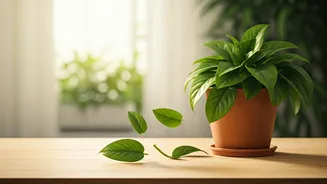
Sometimes, a few fallen leaves in spring are simply a sign of natural aging, a normal part of a plant's life cycle, and not indicative of a problem. If only one or two of the older, lower leaves are dropping, and the rest of the plant appears healthy with good growth and vibrant foliage, it's likely that your care routine is on point. This minimal leaf shedding is often an indication that your plant is thriving. Continue with your regular care practices and remain observant for any other signs of distress or unusual patterns.