





Protein's Muscle Connection
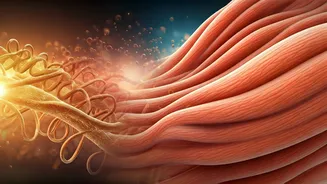
While often lauded as a primary driver of fat loss, protein's effectiveness is contingent on its utilization by the body for muscle development and repair.
When protein consumption increases without a corresponding rise in muscle-building activities, such as strength training, the excess protein isn't simply eliminated. Instead, it contributes to the body's overall calorie intake, and a caloric surplus is the fundamental cause of weight gain. Essentially, protein itself doesn't possess magical fat-burning properties; its benefit is intrinsically linked to the body's physiological demand, which is significantly amplified by physical exertion. Without the signal from exercise, the body may use protein for basic metabolic functions or store it as energy, rather than channeling it into muscle tissue.
The Exercise Imperative
The notion that higher protein intake automatically translates into increased muscle mass is a misconception. From a clinical nutrition standpoint, protein effectively supports fat loss only when the body has a genuine need for it, primarily driven by muscle tissue. Muscle growth isn't spurred by protein alone; it requires a trigger, which is provided by strength or resistance training. This type of exercise signals the body to initiate the process of building or maintaining muscle. In the absence of this signal, the body is more likely to divert protein towards general physiological functions or store it as an energy reserve. Therefore, it's exercise that dictates how protein is utilized by the body, not the protein in isolation.
High-Protein Diets & Weight
Gaining weight after adopting a high-protein diet is a plausible outcome, especially if dietary adjustments are made without a corresponding increase in physical activity. Many individuals elevate their protein intake through supplements, shakes, or larger food portions, yet maintain their sedentary lifestyle. This disparity results in consuming more calories than the body expends. Although high-protein foods are generally recognized as healthy, they are calorically dense. Consuming them in excessive amounts can impede fat loss progress or, conversely, lead to weight accumulation. Just like carbohydrates and fats, protein provides calories. When protein intake surpasses the body's requirements for tissue repair, immune support, and basal metabolic processes, the surplus energy is invariably stored.
Optimal Protein Intake
For the majority of adults, a balanced distribution of protein across daily meals is considered the most beneficial approach. Aiming for approximately 20–30 grams of protein per meal is generally sufficient to support muscle repair and promote a sense of fullness, provided that regular physical activity is maintained. Consuming protein in quantities far exceeding the body's actual needs typically does not yield any additional advantages. The key is to align protein intake with activity levels to ensure it serves its intended purpose of muscle support and satiety, rather than contributing to an unnecessary caloric surplus.
Strength Training's Role
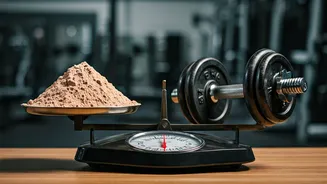
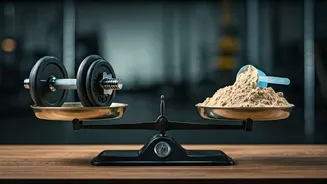
Strength training plays a pivotal role in directing protein consumption towards muscle tissue rather than allowing it to be stored as fat. Even incorporating two to three strength training sessions per week can yield significant benefits. These sessions contribute to an elevated metabolism, an increase in lean body mass, and the overall promotion of healthy fat loss. Protein serves as a valuable tool within a comprehensive weight management strategy, but it is not a standalone solution. Effective weight management is best achieved through a synergistic approach that combines adequate protein intake with consistent strength training and a mindful awareness of overall calorie consumption. Relying solely on increased protein without incorporating exercise often leads to unmet expectations and a lack of desired results.