







Kitchen Cures Risky
Many individuals turn to readily available kitchen ingredients for skincare, believing them to be natural and harmless. However, dermatologists strongly
caution against this practice, citing numerous cases of damaged skin barriers, persistent irritation, and exacerbated pigmentation issues. The allure of DIY remedies often masks potential dangers, leading to more harm than good. While some ingredients might possess beneficial properties in specific contexts, their application without professional guidance can disrupt the skin's delicate balance, resulting in adverse effects that are difficult to rectify. It's crucial to understand that 'natural' does not always equate to 'safe' for topical application on facial skin, and what seems like a quick fix can lead to long-term dermatological problems.
Unsuitable Ingredients
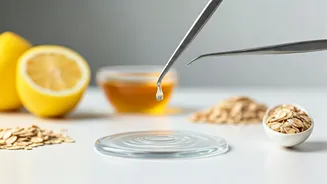
Certain common kitchen staples are emphatically discouraged by dermatologists for direct skin application due to their harsh properties. Lemon juice, for instance, is highly acidic (around pH 2), capable of causing severe irritation and damaging the skin barrier, potentially leading to irritant contact dermatitis and post-inflammatory hyperpigmentation. Similarly, toothpaste, despite containing agents that might dry a pimple, is laden with fluoride, detergents, and chemicals that cause significant chemical irritation and can trigger perioral dermatitis, a rash around the mouth. Baking soda, with its alkaline pH (9-10), utterly devastates the skin's natural barrier, resulting in extreme dryness, irritation, and heightened sensitivity. Even sugar scrubs, perceived as gentle exfoliants, can inflict micro-tears on the skin with their rough crystals, further compromising the barrier and increasing sensitivity.
Approved Kitchen Allies
Fortunately, a few kitchen ingredients can be cautiously incorporated into skincare routines, according to dermatological advice, though they are not replacements for professional skincare. Turmeric, in very minimal quantities, offers mild anti-inflammatory benefits due to compounds like tetrahydrocurcumin. Oatmeal is exceptionally gentle and soothing, making it ideal for calming irritated or sensitive skin. Honey possesses mild antibacterial properties and can provide temporary hydration. Yoghurt or sour milk contains lactic acid, offering gentle exfoliation and a mild brightening effect. Aloe vera is renowned for its anti-inflammatory and soothing capabilities, effectively calming the skin. However, it's essential to reiterate that these approved ingredients primarily offer a temporary boost and should not be seen as substitutes for scientifically formulated skincare or medical treatments.
Prioritizing Skin Health
The dermatologist stresses that even the most benign homemade remedies should never overshadow established skincare practices or professional medical advice. While the quest for clear or radiant skin might lead one to explore DIY solutions, it's vital to recognize their limitations and potential hazards. Ingredients suitable for consumption are not always safe for topical application, and the skin's pH and barrier function are delicate ecosystems easily disrupted. If you are dealing with persistent skin issues like acne, consulting a dermatologist is the most effective approach. They can accurately diagnose the cause and recommend treatments tailored to your specific needs, ensuring the health and integrity of your skin are prioritized over potentially damaging home experiments.