







Posture Pitfalls
The way you sit during a blood pressure check can significantly impact the numbers. A diabetologist highlights that keeping your feet dangling in the air
or crossing your legs can artificially increase your readings. It's essential to have your feet planted flat on the floor, ensuring both legs are uncrossed and relaxed. Additionally, the position of your back is crucial; avoid slouching or sitting rigidly. Instead, aim for a relaxed posture with your back comfortably supported against the chair. These seemingly minor adjustments to your sitting position can prevent misleading spikes in your systolic and diastolic pressure, contributing to more reliable self-monitoring of your health.
Bladder & Arm Support
Beyond leg and back positioning, other physical factors play a role in accurate blood pressure measurement. A full bladder is identified as a common culprit that can elevate readings, so emptying it before taking your pressure is advised. Furthermore, the placement of your arm is critical. It should be well-supported and positioned at the same level as your heart. An arm that is too low or too high can lead to inaccurate results due to hydrostatic pressure or the heart working harder. Ensuring your arm is at heart level, using a cushion or table for support, is a vital step often overlooked in home BP monitoring.
Clothing & Cuff Concerns
The material and fit around your arm during a blood pressure check also warrant attention. Wearing tight clothing or having fabric bunched up underneath the blood pressure cuff can constrict blood flow, leading to falsely high readings. It's recommended to fold up sleeves or wear clothing that allows the cuff to be placed directly on the bare skin of your upper arm. Pay attention to the cuff's tubing as well; ensure it's positioned correctly, typically on the inside of the arm, not dangling outwards. These details are essential for a snug yet comfortable fit that doesn't impede circulation.
Pre-Measurement Habits
The moments leading up to taking your blood pressure can significantly influence the outcome. Engaging in conversations while the cuff is on can elevate your readings due to increased stress and activity. Therefore, it's best to remain quiet and still during the measurement. Additionally, consuming stimulants like tea or coffee shortly before checking your pressure can cause a temporary spike. It's advisable to wait at least 30 minutes after drinking these beverages before proceeding. Likewise, avoid taking a reading immediately after strenuous exercise or when feeling stressed, as these factors naturally increase blood pressure.
Understanding Readings
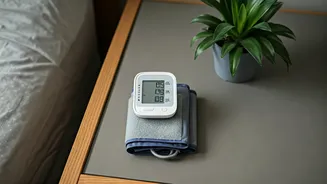
Accurately interpreting your blood pressure numbers is as important as taking them correctly. Experts recommend taking two readings, spaced a few minutes apart, and then averaging them for a more reliable assessment. Ideally, your blood pressure should be below 130/80 mmHg. The upper number, systolic pressure, indicates the force on your artery walls when your heart beats, while the lower number, diastolic pressure, reflects pressure between beats. Consistently high systolic readings might suggest arterial stiffness, while rising diastolic pressure can indicate constriction in smaller arteries due to factors like insulin or stress.
The Gap Matters
Beyond the individual systolic and diastolic numbers, the difference between them, known as pulse pressure, provides additional insight. A significant gap, especially if it exceeds 60 mmHg, can be an indicator of increased risk for heart problems. This wide pulse pressure suggests that the arteries may not be as elastic as they should be. Understanding these nuances, along with common measurement errors, empowers individuals to have more informed discussions with their healthcare providers about managing their blood pressure effectively.
Posture's Impact Detailed
The subtle yet significant impact of posture on blood pressure readings cannot be overstated. Simple errors like slouching without back support can elevate systolic pressure by an estimated 6–10 mmHg due to increased cardiac workload. Similarly, crossing your legs or allowing your feet to dangle can impede venous return, potentially adding 4–8 mmHg to your readings. An arm positioned below heart level can drastically inflate measurements by 10–20 mmHg due to the influence of hydrostatic pressure. These figures highlight how crucial a correctly supported and positioned body is for obtaining an accurate blood pressure assessment.
Optimal Setup for Accuracy
Achieving accurate home blood pressure readings hinges on a proper setup that minimizes false positives. The most overlooked element is often ensuring your feet are flat on the floor with your knees and hips bent at a 90-degree angle, complemented by full back support. Your upper arm should be bare and consistently placed at heart level, free from any constricting clothing. Adhering to these guidelines can prevent an estimated 15-30% of inaccurate readings, thereby empowering individuals with more reliable data for self-monitoring and health decisions.
When to Seek Help
Consistently elevated readings at home are a clear signal to consult a medical professional promptly. Early intervention is key to averting serious complications such as stroke or heart disease. It's recommended to check your blood pressure twice daily, in the morning and evening, after a five-minute rest. If the weekly average consistently exceeds 135/85 mmHg, or individual readings frequently surpass 140/90 mmHg, medical advice is warranted. This might lead to lifestyle adjustments or medication. Immediate emergency care is required for readings above 180/120 mmHg, especially if accompanied by symptoms like dizziness or chest pain.
Tracking for Clarity
To distinguish between temporary blood pressure spikes and sustained hypertension, diligent tracking is essential. Monitoring your readings twice daily for a week, while disregarding obvious outliers and calculating the average, can reveal patterns. Temporary spikes typically fluctuate and correlate with identifiable triggers like stress or caffeine. Sustained hypertension, conversely, remains elevated even under optimal measurement conditions. Maintaining a written log to share with your doctor is crucial for identifying trends and receiving appropriate guidance, which may include ambulatory monitoring to rule out 'white coat hypertension'.