





A Kitchen's Silent Plea
The sizzling pans and aromatic spices of 'Tadka Rani', a popular North Indian restaurant in South Delhi, have fallen silent. Owner Gagandeep Singh Sapra
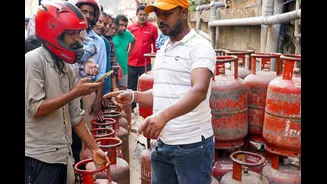
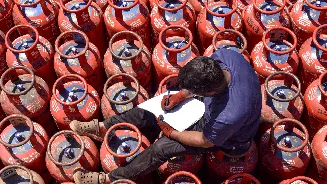
made the difficult decision to suspend operations when his crucial supply of Liquefied Petroleum Gas (LPG) completely ran out. This abrupt halt in service wasn't a matter of choice but a consequence of an acute shortage that has gripped the capital. Sapra revealed that the situation had deteriorated significantly due to aggressive black marketing. He alleges that unscrupulous traders are now demanding exorbitant sums, upwards of ₹5,000 for a single LPG cylinder. This stands in stark contrast to the official price of ₹1,768.50 for a 19 kg commercial cylinder from state-owned distributors. The entrepreneur expressed his dismay on social media, lamenting the impossibility of running a business under such conditions and questioning the oversight of regulatory bodies. He also shared that his other culinary ventures, 'The Nashta Company' and 'The Meal Combo Box Company', are attempting to continue serving with a restricted menu, dependent on their dwindling gas reserves, but the future remains uncertain.
The Ripple Effect of Scarcity
The closure of 'Tadka Rani' is not an isolated incident but a symptom of a wider problem affecting numerous food establishments across Delhi. Sapra's predicament has resonated with many in the industry, with online discussions highlighting the precarious state of other hotels and eateries. Reports suggest that many businesses have only a few days' worth of cooking gas stock remaining, exacerbating fears of widespread shutdowns. The increasing prevalence of black marketing is a significant concern, pushing operational costs to unsustainable levels. While national efforts may focus on increasing refinery output, the immediate need for LPG supply to businesses like restaurants remains unaddressed. This crisis potentially threatens the livelihoods of thousands of individuals employed in the food sector. The situation prompts questions about the fairness and transparency of supply chains, especially during times of perceived scarcity, and the potential for profiteering when essential resources become scarce, impacting honest businesses.
Geopolitical Undercurrents
The current LPG shortage impacting the capital has been indirectly linked to escalating geopolitical tensions in West Asia. Specific attacks involving the United States and Israel on Iran have led to disruptions in shipping routes, particularly through the Strait of Hormuz. This vital maritime passage is crucial for a substantial portion of India's LPG imports, with over 80 percent transiting through this narrow channel between Iran and Oman. Consequently, these international conflicts have created supply chain shocks and price volatility that are felt even in distant markets like Delhi. The government has invoked emergency provisions to direct refiners to boost LPG production and prioritize domestic consumers. However, this has inadvertently led to difficulties for commercial users, including restaurants, street food vendors, and transport operators, in securing their necessary gas supplies. Many businesses are now forced to adapt by reducing their menu offerings, exploring electric alternatives, or scaling back operations to conserve their limited gas resources.
Official Reassurance and Action
In response to growing concerns about an LPG shortage, the Delhi government has issued assurances that supplies of essential fuels, including petrol, diesel, and LPG, remain stable within the capital. Officials have urged the public to disregard rumors of scarcity and emphasized that normal supply chains are functioning. The Chief Minister's Office has stated that strict measures will be implemented against any individuals or groups found to be involved in the illegal hoarding, theft, or black marketing of gas cylinders. This official stance aims to allay public anxiety and reinforce the government's commitment to maintaining a consistent and fair distribution of energy resources. The administration has signaled its intent to take decisive action against profiteering and ensure that businesses can operate without undue hindrance due to artificial supply constraints or illegal market practices.