






Proactive Prevention Measures
A proactive approach is your first line of defense against bed bugs. Investing in high-quality, certified encasements for your mattress and box spring
is paramount. These barriers physically prevent bed bugs from infesting these critical areas, making them inaccessible for nesting and feeding. Regular vacuuming around your bed, focusing on cracks and crevices, helps to intercept any lurking pests before they can establish themselves. When traveling, a simple habit can make a big difference: avoid placing luggage directly on floors or upholstered furniture in hotel rooms. By keeping your belongings elevated, you deter bed bugs from crawling into them, as they are known to move towards human hosts. Before settling in, always conduct a quick inspection of your hotel mattress, checking seams and crevices for any signs of infestation. Similarly, when acquiring second-hand furniture, particularly upholstered pieces, a thorough examination is crucial. It’s even advisable to encase such items in black plastic and subject them to heat treatment before introducing them into your home to eliminate any potential hitchhikers.
Rubbing Alcohol: A Quick Fix?
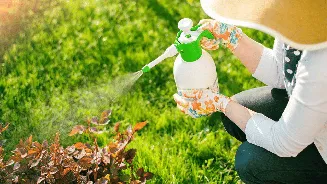
Rubbing alcohol, specifically a 70% concentration, can be a temporary solution for visible bed bugs. When applied directly, it effectively dissolves the exoskeleton of adult and nymph bed bugs, leading to rapid dehydration and death within approximately 30 seconds. However, its efficacy is severely limited. It does not penetrate deep into cracks and crevices where bed bugs might be hiding, nor does it affect their eggs. Furthermore, rubbing alcohol evaporates quickly, rendering treated surfaces ineffective against any bugs that appear later. Its use requires caution due to its flammability; ensure good ventilation and keep it away from heat sources. While it can offer immediate relief for a minor sighting, it is not a comprehensive solution for an established infestation. For a more thorough approach, consider other methods or professional intervention.
Alternative Natural Remedies
Beyond rubbing alcohol, several other natural methods can be employed to combat bed bugs, especially for minor infestations. Diatomaceous Earth (DE) is a highly effective natural desiccant. This fine powder, composed of fossilized aquatic organisms, works by abrading the bed bug's exoskeleton, causing them to lose vital moisture and ultimately dry out. Sprinkle DE around baseboards, mattress edges, furniture, and other potential hiding spots; vacuuming after a couple of days helps remove the powder and dead bugs. Heat is also a powerful tool. Washing infested items in hot water and drying them on the highest heat setting can effectively kill all life stages of bed bugs. Steam cleaning is another excellent option for treating mattresses and upholstered furniture, reaching into crevices where bugs may hide. Conversely, extreme cold can also be lethal. Freezing small, portable items like stuffed animals for an extended period can eliminate any bed bugs present.
Knowing When to Call Pros
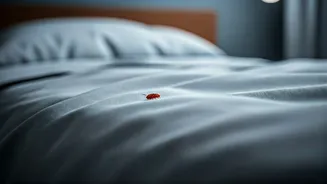
While DIY methods can address minor bed bug issues, it's crucial to recognize when professional intervention is necessary. If you observe significant signs of infestation, such as numerous itchy red welts on your skin, tiny blood spots on bedding, or shed exoskeletons, it's time to contact an expert. Bed bugs are notoriously difficult to eradicate completely on your own, and their rapid spread can quickly escalate a manageable problem into a widespread infestation. Pest control professionals have the knowledge, equipment, and potent treatments to accurately assess the extent of the infestation and develop a targeted elimination plan. They can ensure that all bugs, including those hidden in inaccessible areas and their eggs, are effectively dealt with, providing a more lasting and comprehensive solution than home remedies alone.