



Soybeans: Protein Powerhouse
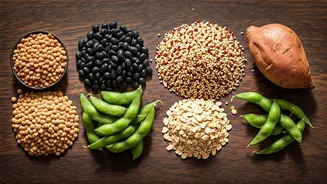
Challenging the notion that animal products are the sole protein providers, soybeans stand tall with an impressive 36 grams of protein per 100 grams. This
remarkable legume far surpasses the protein content of eggs, making it a cornerstone for anyone seeking substantial plant-based nutrition. Whether consumed as edamame, tofu, or tempeh, soybeans offer a complete amino acid profile and versatile culinary applications, solidifying their position as a top-tier protein source for vegetarian diets. Their high protein density also contributes to satiety and muscle maintenance, making them an invaluable addition to meals focused on health and fitness.
Almonds and Peanuts
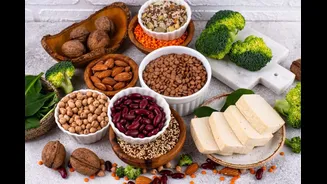
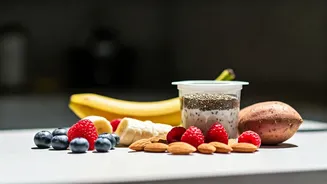
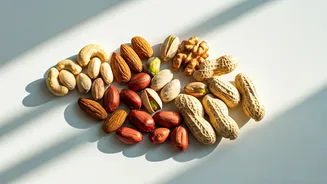
Nuts like almonds and peanuts are fantastic sources of protein, with almonds providing over 21 grams per 100 grams and peanuts even surpassing this with approximately 25 grams per 100 grams. These calorie-dense nuts are not only protein-rich but also offer healthy fats, fiber, and essential micronutrients like vitamin E. Incorporating a handful into your daily routine can significantly boost protein intake and contribute to heart health. Their accessibility and versatility, whether eaten raw, roasted, or as butter, make them a convenient and delicious way to enhance protein levels in any vegetarian meal plan.
Lentils: Humble Protein Heroes
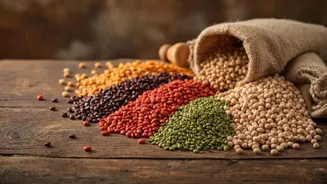
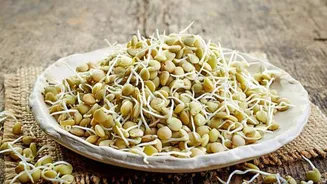
A staple in many Indian households, lentils are an unsung hero of vegetarian protein. A cooked serving delivers around 9 grams of protein per 100 grams, alongside a generous dose of iron and dietary fiber. Their ability to absorb flavors makes them incredibly versatile, featuring in everything from hearty dals and soups to salads and stews. Beyond their protein content, lentils are known for their affordability and positive impact on digestive health and blood sugar management, making them a truly nourishing food choice for a balanced vegetarian diet.
Chickpeas: Versatile and Protein-Packed
Chickpeas are celebrated not only for their satisfying texture but also for their substantial protein content, offering close to 19 grams per 100 grams in their raw state. This makes them an excellent addition to vegetarian diets, providing a significant protein boost that aids in satiety and muscle repair. From flavourful curries and chana masala to vibrant salads and hummus, chickpeas adapt beautifully to various culinary preparations. Their fiber-rich nature further enhances their health benefits, promoting good digestion and sustained energy levels.
Paneer: A Dairy Delight
Paneer, a beloved Indian cheese, is a dairy powerhouse that provides approximately 18 grams of protein per 100 grams. Its firm texture and mild flavour make it a versatile ingredient in a wide array of dishes, from savory curries like matar paneer to paneer tikka. Beyond its significant protein contribution, paneer is also a good source of calcium, vital for maintaining strong bones and teeth. It offers a satisfying and nourishing option for vegetarians looking to increase their protein intake without compromising on taste or texture.
Tofu: The Plant-Based Alternative
Often regarded as the plant-based counterpart to paneer, tofu offers a commendable protein profile, typically ranging from 10 to 12 grams per 100 grams. This versatile soy product readily absorbs marinades and flavours, making it a flexible ingredient in stir-fries, scrambles, and even desserts. Tofu is celebrated for its role in heart-healthy eating due to its low saturated fat content and absence of cholesterol. Its smooth texture and adaptability allow it to seamlessly integrate into various meal plans, providing a valuable protein source for vegans and vegetarians alike.
Greek Yogurt/Hung Curd
Greek yogurt, or its Indian equivalent, hung curd, is an exceptional dairy-based protein source, offering around 10 grams of protein per 100 grams. The straining process that creates hung curd concentrates its protein content, making it even more potent. It's not just protein that this item boasts; it's also a rich source of probiotics, which are beneficial for gut health, aiding digestion and boosting the immune system. Enjoyed plain, with fruits, or as a base for savory dips, it's a convenient and nutritious way to enhance daily protein intake.
Quinoa: Complete Protein Grain
Quinoa, often referred to as a supergrain, distinguishes itself as a rare plant-based food that contains all nine essential amino acids, making it a complete protein source. When cooked, it provides approximately 14 grams of protein per 100 grams. This pseudocereal is also rich in fiber, vitamins, and minerals. Its fluffy texture and slightly nutty flavour make it an excellent substitute for rice or pasta, and it can be incorporated into salads, breakfast bowls, or as a side dish, offering a substantial nutritional upgrade.
Pumpkin Seeds: Mineral and Protein Boost
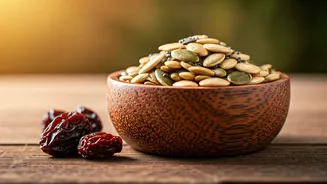
Don't underestimate the power of seeds! Pumpkin seeds, in particular, deliver a significant protein punch, offering around 19 grams per 100 grams. These small seeds are a treasure trove of essential minerals like magnesium, zinc, and iron, complementing their protein content. Sprinkling them over salads, adding them to baked goods, or enjoying them as a snack are simple yet effective ways to boost your daily nutrient intake. They provide a satisfying crunch and a rich, earthy flavor, making them a valuable addition to a protein-conscious vegetarian diet.
The Protein Comparison
While a single large egg typically offers about 6-7 grams of protein, the vegetarian options explored here present a significantly higher concentration per 100 grams. For instance, soybeans lead the pack at 36g, followed closely by peanuts at 25g and almonds at 21g. Chickpeas and pumpkin seeds provide nearly 19g each, while paneer offers around 18g. Quinoa contributes 14g, tofu 10-12g, and hung curd about 10g. These figures clearly demonstrate that a well-planned vegetarian diet can easily meet and exceed daily protein requirements, challenging the long-held belief that meat and eggs are indispensable for adequate protein consumption.