




Bengal's Mango Delight
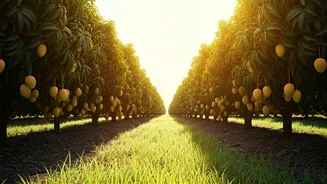
In the heart of Bengal, a cherished summer beverage known as 'aam porar shorbot' offers a unique cooling experience. The process begins with charring a raw
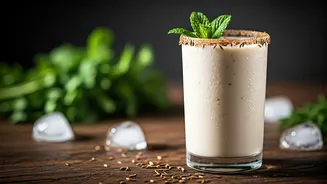
green mango over an open flame until its skin blisters and chars. After peeling, the smoky pulp is extracted and blended with a touch of ginger, salt, and sugar. This flavorful concentrate is then boiled with water to achieve a thick, syrupy consistency, perfect for bottling. When summer's heat becomes unbearable, a spoonful of this concentrate is mixed with cold water, creating a refreshing drink that encapsulates the essence of the season. This particular sharbat is a testament to how simple ingredients can be transformed into a deeply satisfying, regional specialty.
The Essence of Sharbat
The concept of 'sharbat,' a term originating from the Arabic 'sharb' meaning a light beverage, is more than just a simple juice. In India, a true sharbat is inherently enhanced with added flavorings, distinguishing it from natural juices. These additions can range from pungent ginger and sweet sugar to savory rock salt, creating a complex flavor profile. While sugarcane juice, often flavored with ginger, was traditionally India's natural sweet drink, the introduction of more elaborate sharbats significantly enriched the beverage landscape. The advent of Muslim rule in the second millennium AD brought new sweet sharbats, often perfumed with essences like rose and kewda (screwpine), and even incorporating herbs, further diversifying the spectrum of these cooling concoctions.
Ancient Roots and Medicinal Marvels
The history of sharbats in India is deeply rooted, predating even the common understanding of the term. Ancient Indian texts, including Vedic literature and the Arthashastra, reference drinks made from molasses, hinting at early forms of sweet beverages. In South India, traditions like 'panakams,' made from ingredients like tamarind and gooseberry combined with cardamom, ginger, and citrus, are still enjoyed today and trace their lineage back to these ancient practices. By 200 BC, these beverages had evolved into medicinal drinks, prepared by hakims to address various ailments. For instance, a blackberry and mulberry sharbat might have been prescribed for coughs, while a pear sharbat was believed to aid liver health. Even sugarcane juice, when mixed with specific spices, was employed to treat digestive issues like biliousness.
Mughal Influence and Modern Twists
The arrival of Muslims in India during the second millennium AD marked a significant period for sharbat evolution, introducing a wider array of sweet and artfully flavored beverages. These new creations often featured vibrant colors and delicate essences such as rose and kevda, alongside herbal infusions. During the Delhi Sultanate, a drink called 'fuqqa,' made from barley, was a popular offering. The influence of these traditions is even thought to have inspired legendary drinks. It's speculated that the renowned Rooh Afza might have roots in a sharbat created for Mughal Empress Nur Jahan's hakim, inspired by her memories of rose-scented sharbats from Iran. This fusion of historical practices and imperial patronage highlights the rich cultural tapestry woven into India's beverage heritage.
Regional Varieties to Savor
The sheer diversity of sharbats across India means there's an endless array of flavors to explore. In the northern state of Uttarakhand, 'buransh sharbat,' crafted from rhododendron flowers, is not only refreshing but also reputedly beneficial for digestion. A more unusual yet intriguing option is 'bela sharbat,' made from delicate jasmine flowers that bloom for a mere couple of months in the summer. These regional specialties showcase the unique ingredients and local wisdom that contribute to India's rich culinary landscape. Each sharbat offers a distinct taste of its origin, reflecting the natural bounty and traditional practices of its respective region, making them more than just drinks but also cultural expressions.