







Tech-Driven Transformation
The construction industry is at the cusp of a significant technological shift, with collaborative efforts at its core. These partnerships involve companies
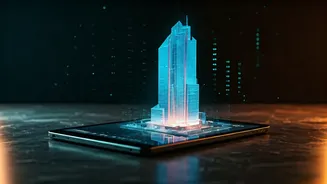
joining forces to leverage their respective strengths and create new technologies tailored to address age-old challenges. This coordinated approach ensures a more holistic and integrated solution, potentially leading to unprecedented advancements in how buildings and infrastructure are designed, built, and maintained. For example, advancements like building information modeling (BIM), which allows for the creation and management of a building's digital representation, and digital twin technology, which creates a virtual replica of a physical asset, offer new possibilities. These tools reduce errors, improve cost predictability, and streamline project lifecycles, leading to better outcomes. These partnerships are a confirmation that technological innovation in construction has never been more vibrant, pointing to a future of projects that are safer, more cost-effective, and more environmentally friendly. Construction will be transformed by the power of teamwork.
Addressing Major Issues
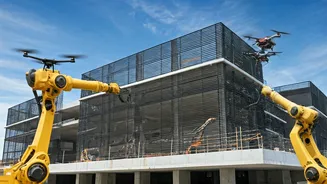
One of the primary goals of these technological advancements is to confront critical challenges that have long plagued the construction sector. Issues like project delays, cost overruns, and safety concerns are being actively addressed by the latest innovations. Technology can provide real-time monitoring and analysis, enabling proactive responses to potential problems before they escalate. Imagine implementing solutions that improve the accuracy of budgeting, offer better material management, and enhance worker safety protocols. The advent of sophisticated software for project management helps streamline workflows, allowing for better coordination and communication among various stakeholders. In addition, the use of drones and robotics is accelerating site inspections, thus helping in early problem detection. By resolving these persistent issues, construction projects can be delivered with greater efficiency, improved quality, and reduced risk. Ultimately, the industry benefits from these collaborations, as they not only solve current issues, but also build a foundation for long-term sustainability and growth.
Benefits of Partnerships
The advantages of these collaborations go beyond merely addressing problems; they also unlock synergies that might otherwise be unachievable. By combining expertise, resources, and perspectives, the partner companies can create solutions that are more comprehensive and effective. This type of collaborative environment encourages the cross-pollination of ideas, creating an atmosphere that promotes innovation and the development of breakthrough technologies. In addition, the shared investments reduce the risk for any individual company, thus making it easier for smaller or emerging businesses to enter the market. The resulting innovations, like smart building materials and AI-powered design tools, would drive the entire industry forward. Ultimately, these partnerships are not just about business; they're about constructing a more technologically advanced, sustainable, and efficient future for the construction industry and beyond. The collective expertise of these companies promises a revolution.
Future Implications
The initiatives of these innovative companies will have far-reaching implications for the construction industry. As the technologies developed through these partnerships gain traction, they could radically alter how projects are designed, executed, and maintained. There is the potential to reduce project times, increase cost-effectiveness, and improve the overall sustainability of construction processes. Moreover, these developments could usher in a new era of safer working environments, with the adoption of robotics and automation decreasing the human risks in hazardous situations. Also, this could potentially create new job roles within the industry, which requires skills in technology, data analytics, and digital design. The long-term vision is a construction ecosystem that's both resilient and adaptable, ready to address future challenges. This partnership represents a very exciting time for the industry.