




Non-Surgical Management Possibilities
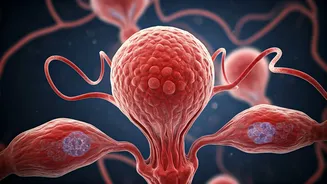
Endometriosis, a condition where uterine-like tissue grows outside the uterus, often brings challenges like pelvic pain and irregular periods. However,
for many, living with endometriosis doesn't necessitate surgery. Non-surgical approaches are frequently the initial strategy for managing mild to moderate symptoms, as recommended by medical professionals. This conservative approach is usually considered when pain is manageable, the condition isn't advancing rapidly, large ovarian cysts aren't present, and fertility isn't severely compromised. The primary goal is symptom control through medication, pain management techniques, and crucial lifestyle modifications, all under regular medical observation to track the condition's progression.
Effective Pain Relief Strategies
Several effective non-surgical treatments are available to help alleviate the discomfort associated with endometriosis and potentially slow the growth of endometrial tissue. Doctors often prescribe pain relievers to manage pelvic discomfort, providing much-needed relief. Alongside these, hormonal therapies are commonly used; this includes options like birth control pills, which help regulate menstrual cycles and reduce inflammation, and progestin therapy, which can further suppress the growth of endometrial implants. Hormone-regulating injections offer another avenue for controlling hormonal fluctuations. These medical interventions aim to balance hormone levels and diminish the inflammation that contributes to endometriosis symptoms, offering a pathway to improved well-being and symptom control.
Lifestyle Adjustments for Support
Beyond medical treatments, integrating specific lifestyle changes can significantly support endometriosis management. Prioritizing adequate sleep is fundamental for overall health and can help the body cope with chronic pain. Effective stress management techniques are also vital, as stress can exacerbate inflammatory responses and worsen symptoms. Furthermore, adopting an anti-inflammatory diet, rich in fruits, vegetables, and healthy fats while limiting processed foods and red meat, can play a supportive role in reducing inflammation throughout the body. These holistic approaches, when combined with conventional treatments, contribute to a more comprehensive strategy for managing pain and enhancing overall quality of life for individuals with endometriosis.
When Surgery Becomes Essential
While non-surgical methods are often successful, there are instances where surgery becomes the most appropriate course of action. This is typically considered if symptoms escalate despite conservative management, or if complications arise. Persistent pelvic pain that doesn't respond to medication, the presence of large ovarian cysts linked to endometriosis, or significant heavy bleeding are key indicators that surgical intervention might be necessary. Additionally, if fertility issues become a major concern due to the condition's impact, surgery could be recommended. Regular medical follow-ups are crucial throughout this process, enabling doctors to monitor the disease's progress and tailor the most effective and safest treatment plan, whether surgical or non-surgical, for each individual.