





The Roti Dilemma
Roti, a staple in many Indian kitchens, is often taken for granted as a comforting and familiar food. However, for a significant number of individuals,
this daily bread can surprisingly lead to feelings of heaviness, bloating, or general digestive unease after consumption. This discomfort isn't necessarily a reason to eliminate rotis entirely from one's diet. According to nutritionist Shweta Shah, the key to a more comfortable experience lies not in avoiding rotis, but in subtly modifying the preparation of the atta, or whole wheat flour, used to make them. By incorporating specific, easily accessible ingredients into the dough, it's possible to make rotis significantly lighter and much kinder to the digestive system, all without sacrificing taste or routine.
Why Rotis Can Burden Your Gut
While whole wheat flour is generally considered a nutritious choice, it doesn't agree with everyone's digestive system equally. Various factors can contribute to the unpleasant sensations like gas and bloating that some people experience after eating rotis. These can include an individual's inherent digestive strength, a lack of certain digestive spices in the diet, or even the way the dough itself is prepared and kneaded. Nutritionist Shweta Shah explains that rather than completely removing this dietary cornerstone, a more effective approach is to adjust the atta mixture. These minor alterations can provide digestive support without impacting the familiar taste or the daily meal pattern, making rotis more palatable for sensitive stomachs.
The Simple Atta Enhancement
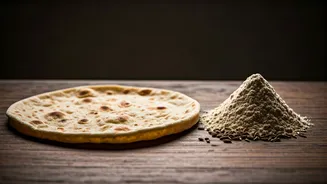
Nutritionist Shweta Shah proposes an uncomplicated method to elevate your regular atta and render your rotis more gut-friendly. This involves blending a few well-known kitchen allies into your flour mix. The recommended blend includes two cups of wheat flour, one teaspoon of besan (gram flour), half a teaspoon of ajwain (carom seeds), one teaspoon of ghee (clarified butter), a pinch of hing (asafoetida), and a pinch of salt. To prepare, all these ingredients are combined with water, and a soft dough is kneaded as usual. After a brief resting period for the dough, fresh rotis can be made just as you normally would. This seemingly minor adjustment to the atta composition can lead to a considerable improvement in how your body processes and reacts to your daily roti.
Ingredient Power for Digestion
Each component added to the atta plays a distinct and beneficial role in promoting easier digestion. Ajwain and hing are particularly renowned for their carminative properties, which are believed to aid in expelling gas and consequently reducing bloating and discomfort. Ghee not only imparts a desirable softness to the roti but is also thought to lubricate the digestive tract, potentially supporting smoother digestion. Besan contributes by lightening the overall texture of the roti, making it feel less dense in the stomach. Salt, while enhancing the flavor profile, also plays a subtle role in balancing the digestive process. When these ingredients work in synergy, they collectively contribute to rotis that feel significantly lighter and more comfortable for your stomach.
Noticeable Gut Benefits
Implementing nutritionist Shweta Shah's simple modification to your atta preparation can yield several positive outcomes for your digestive well-being. Users may observe an enhancement in their overall digestion, leading to a greater sense of ease after meals. Specifically, the addition of these ingredients is noted to help reduce common issues like bloating and gas, making the roti feel lighter and less burdensome on the gut. Furthermore, improved digestion can indirectly support better nutrient absorption from your food. Given that roti is a regular component of many meals, even small improvements in how your body processes it can accumulate and make a significant difference in your daily comfort and health over time.