



Moon's Water Puzzle
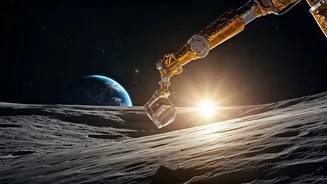
NASA's focus on the Moon isn't just about exploring space; it's a detective mission to understand Earth better. Scientists are using the Moon as a key
to unlock the secrets of water. The agency is employing advanced methods of studying the lunar surface, including analyzing its composition and searching for clues about how water may have originated and evolved on our planet. This investigation could reveal how Earth's water has changed over millions of years, offering insight into our planet's past and future. Moreover, by studying the Moon's water, NASA aims to uncover the origin of the water, and how it came to the Earth. This approach is providing clues about the overall development of water resources on Earth, giving scientists a new way to analyze the history of our planet and its vital resources. Furthermore, the goal is to develop better strategies for managing and safeguarding this resource in the face of our changing climate.
Lunar Surface Analysis
To solve this water mystery, NASA is employing a combination of tools and techniques. These include data gathered from space missions. NASA scientists are meticulously scrutinizing the lunar surface's mineral composition. The lunar regolith, or the surface layer of the Moon, holds vital data that can offer clues regarding water presence, concentration, and how it has interacted with the lunar environment throughout history. This detailed analysis allows for the building of a comprehensive picture of how water might have been delivered to the Moon. Through the use of advanced spectroscopic technologies and imaging systems, the scientists are making great strides in analyzing the mineral composition of the lunar surface. By assessing the composition of ice deposits within permanently shadowed craters, scientists can identify the original sources of the water on the Moon and Earth, offering important information about the water's past and its composition.
Earth's Water Evolution
The research conducted by NASA scientists has potential implications for our understanding of Earth's water. By studying the processes on the Moon, such as how water might have been transported, stored, or changed, they can draw parallels to what happened on Earth. Scientists aim to clarify how Earth's water evolved over millions of years. This data offers insight into Earth's complex hydrological cycles and its capacity to sustain life. In addition, the understanding of the past and the evolution of water is essential for creating proactive strategies to manage and preserve Earth's water resources. Further, studying the Moon also allows for insights into how water may be preserved, recycled, and used in the future, providing crucial data for sustainability and long-term ecosystem stability.
Future Mission Benefits
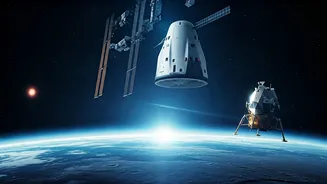
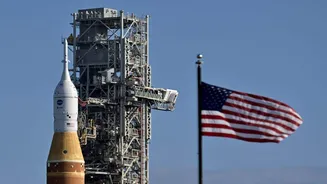
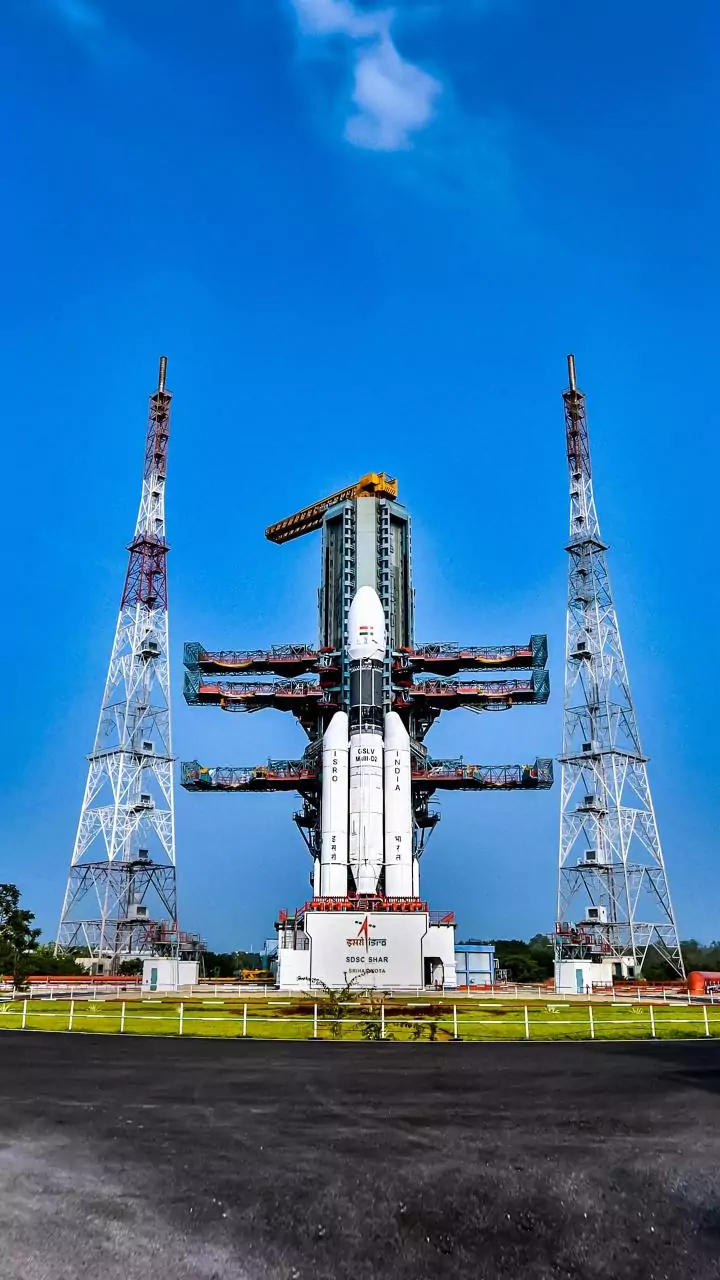
NASA's efforts on the Moon are also paving the way for upcoming lunar missions. The understanding gained from studying the Moon can directly inform plans for future explorations and the establishment of bases on the lunar surface. It offers ways to sustain resources and infrastructure needed for long-term stays. For example, knowing the quantity, location, and condition of water ice can aid in designing efficient systems for producing breathable air, fuel, and water for astronaut use. The knowledge gained from these studies also offers new insights into future exploration methods. Moreover, it is key to ensuring that future explorations of the Moon are sustainable and successful by helping to understand how to best take advantage of resources. These missions will serve as testbeds for future, more extended space explorations.