






Carbohydrate Powerhouse
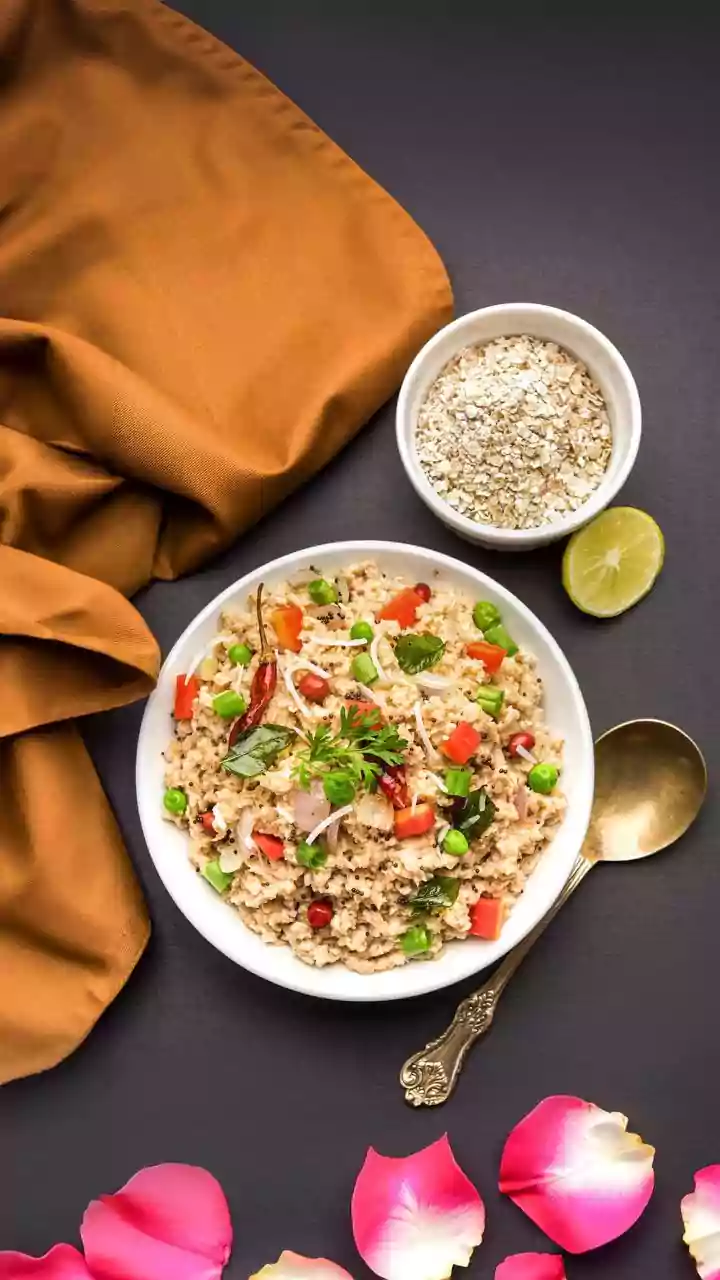
Sambar-chawal, a typical Indian meal, is primarily a source of carbohydrates, primarily through the rice (chawal) component. Rice, when consumed regularly,
acts as a quick energy provider for the body. However, the consistent intake of carbohydrates, particularly from refined white rice, can lead to fluctuations in blood sugar levels. These fluctuations can then trigger feelings of hunger and fatigue and, over a prolonged period, increase the risk of type 2 diabetes. The body readily converts excess carbohydrates into glucose, storing them for later energy use. Consequently, the constant intake may result in the storage of excess glucose, potentially leading to weight gain if not balanced with physical activity.
Protein & Fiber Intake
The nutritional profile of sambar-chawal is further determined by the ingredients. Sambar, the lentil-based stew, contributes protein and fiber, vital for bodily functions such as cell repair and maintaining digestive health. However, the protein content might not always be sufficient to meet the body's daily requirements if the meal is the sole or primary source of nutrition. Fiber, essential for a healthy digestive system, aids in the regulation of blood sugar levels and promotes satiety, helping individuals feel full for longer periods. Despite these benefits, a balanced diet including varied sources of protein and fiber is essential for optimal health.
Impact on Digestion
Regular consumption of sambar-chawal can affect digestion. The high fiber content of the dish, if adequately balanced, can promote healthy digestion and prevent constipation. However, if the diet lacks variety, the body might not receive the necessary nutrients to support a robust digestive system. This can lead to issues such as bloating and gas. The gut microbiome's health can be influenced by the daily intake, where it would influence the absorption of nutrients and the overall gut environment. A balanced diet should, therefore, include various sources of fiber and nutrients to support gut health.
Nutrient Deficiencies Risk
Relying heavily on sambar-chawal daily could lead to nutrient deficiencies. While sambar-chawal provides some essential nutrients, it may lack certain vitamins and minerals crucial for overall health. Consuming a meal primarily based on rice and lentils might not provide adequate amounts of iron, vitamin D, and various other micronutrients. Long-term deficiencies can lead to multiple health problems, including weakened immunity and impaired cognitive functions. Incorporating a variety of foods, such as fruits, vegetables, and lean proteins, ensures a comprehensive intake of all necessary nutrients, thus preventing the potential health risks associated with a restrictive diet.
Weight Management
The impact of sambar-chawal on weight management depends on portion sizes and overall dietary habits. If consumed in excess portions, particularly white rice, which has a high glycemic index, can contribute to weight gain. When carbohydrates are consumed in excess, the body stores them as fat. However, if the portion sizes are controlled, and the meal is complemented by physical activity, the meal might not necessarily lead to weight gain. The nutritional density of the sambar component, along with the fiber, contributes to satiety and can, in turn, help manage calorie intake. A balanced dietary approach incorporating regular exercise is key to weight management.
Dietary Recommendations
To fully incorporate sambar-chawal into your daily diet, certain considerations are essential. While sambar-chawal can be a healthy option, it needs to be part of a balanced diet. Varied food groups, including fruits, vegetables, lean proteins, and whole grains, must be included to ensure a wide range of essential nutrients. Portion control is essential to manage calorie intake and prevent weight gain. Including moderate physical activity to burn excess calories is crucial for maintaining a healthy lifestyle. Individuals must consult nutritionists or healthcare professionals to tailor dietary recommendations that suit their individual health needs.