







Bridging the Skills Gap
India's vast pool of engineering graduates, numbering close to 1.6 million annually, faces a significant challenge: a lack of job readiness. Many emerging
professionals lack practical experience in product development, the integration of artificial intelligence into workflows, and the intricacies of production-grade systems. This disconnect between theoretical education and industry demands is precisely what a new model aims to resolve. Amidst growing uncertainty about software careers, exacerbated by AI's rapid advancements in coding and testing, a crucial question arises: will software engineers remain relevant? The answer lies not in reassurances but in an educational framework that mirrors contemporary technology development practices.
Hands-On Learning Ecosystem
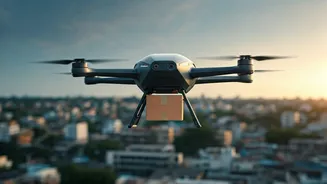
This institution, situated in Bengaluru, deviates significantly from conventional engineering colleges. Eschewing traditional lecture-based classes and theory-heavy assignments, students are immersed from the outset in building actual products, understanding startup dynamics, and working with applied AI systems. A cornerstone of this immersive experience is direct engagement with industry luminaries—founders, CXOs, and engineering leaders from globally recognized technology companies like Meta, Google, and Uber, as well as leading AI research labs. These interactions infuse the classroom with practical product thinking, robust system design principles, and a founder-centric approach to execution. This experiential learning extends beyond theoretical discussions into practical experimentation across specialized environments such as AI Labs, robotics setups, and dedicated product labs. Here, students actively engage with complex projects, including large language model workflows, drone-based systems, and cutting-edge interfaces like Apple Vision Pro—exposure typically gained only much later in a traditional engineering career.
Curriculum for Modern Tech
The traditional engineering degree, conceived for a slower technological evolution, is no longer sufficient for today's rapidly accelerating pace, where AI compresses development cycles from quarters to days for individuals. Consequently, educational paradigms must shift to reflect how software is truly built now. This institution provides a structured pathway for students and parents seeking clarity on career choices post-12th grade science. The philosophy centers on building tangible projects, utilizing real-world tools, and ensuring graduates enter the industry with a comprehensive understanding of its operational nuances. The four-year academic journey begins with foundational product development in the first year, encompassing projects like e-commerce platforms and AI-enhanced image editors. The second year delves into more intricate systems, such as routing engines akin to Google Maps and full-stack social networking applications. Advanced studies in AI systems, LLMOps, operating systems, and scalable product engineering characterize the third year. The final year is dedicated to a full entrepreneurial immersion, with every student mandated to develop a technology startup as an integral part of their curriculum.
Startup Incubation and Outcomes
Unlike conventional academic paths where entrepreneurship is often an optional pursuit, here it is a compulsory, curriculum-driven endeavor. Students receive comprehensive support, including seed capital, opportunities to present at investor demo days, and direct access to the Scaler Innovation Lab (SIL), the institution's on-campus deep-tech incubation hub. Early indicators of this model's success are compelling. Approximately 96% of eligible students from the founding cohorts have secured at least one internship offer, with the highest monthly stipend reaching over Rs 2 lakh. Graduates have landed positions at prominent companies including Apple, Adobe, Swiggy, Zomato, and Tata 1mg. Furthermore, a significant number of students are actively engaged in launching their own startups. This confidence is reflected in student choices, with about 187 students opting for this program over admissions in top engineering colleges for three consecutive years, including those who transitioned from traditional B.Tech programs. This trend highlights a growing validation from families who see this institution as a more relevant pathway to an AI-first software career landscape.
Evolving Higher Education
The rise of this institution prompts a critical question for Indian higher education: can traditional engineering degrees adapt swiftly enough for an AI-driven economy? As automation increasingly impacts service-oriented jobs and product engineering pivots towards AI, institutions clinging to outdated teaching methods and slow industry linkages may struggle to maintain relevance. This program, conversely, is founded on the principle that the divide between learning, building, and launching should be eliminated. With a highly selective admission rate of approximately 3.3%, it is emerging as a preferred destination for students aspiring to contribute to an AI-native software economy. In the current era, the future of engineering education may increasingly favor institutions designed around the actual practice of technology creation, rather than legacy formats.