


Pancakes and Chillas
For a satisfying start, consider savory pancakes or 'chillas.' Besan (chickpea flour) chilla is a protein-rich option with a low glycemic index (GI), typically
around 35-45, making it a good choice for blood sugar management. Similarly, moong dal cheela, made from split yellow lentils, boasts high protein and fiber content with a very low GI of approximately 30-40, offering sustained energy. These chillas are also highly customizable with added vegetables and spices. Green pea and moong dal pancakes combine to boost fiber and protein, creating a wholesome meal. For a quick Maharashtrian twist, a mixed flour chilla provides a nutritious base, while even options like Rava vegetable pancakes can be adapted for a healthier profile. The emphasis is on using nutrient-dense flours and ingredients that minimize blood sugar spikes, ensuring a delicious yet responsible breakfast.
Hearty Upma Variations
Upma, a staple Indian breakfast, can be transformed into a diabetic-friendly powerhouse. Oats upma stands out due to its high soluble fiber content, specifically beta-glucan, which significantly slows down sugar absorption and has a very low GI. This version is also beneficial for heart health and blood pressure management. Broken wheat (dalia) upma is another excellent choice, offering substantial dietary fiber from the minimally processed whole grain. The bran and germ in dalia help lower its glycemic index compared to semolina-based upma, leading to a gradual release of glucose. Quinoa upma is also highly recommended, particularly for those with conditions like PCOS or diabetes, as it provides heart-healthy fats and antioxidants, aiding in cholesterol management and weight control due to its high fiber content. These upma variations are typically prepared with minimal oil and loaded with vegetables, enhancing their nutritional value and making them a filling, energy-sustaining option.
Idli and Dosa Innovations
Traditional idli and dosa, often made with rice, can cause blood sugar spikes. However, innovative rice-free versions offer excellent diabetic-friendly alternatives. Moong dal idli, particularly when combined with spinach, is a protein-packed, low-carb option with minimal calories per piece (around 25-50 kcal). The moong dal's low GI (38-43) and the spinach's fiber content contribute to better blood sugar control. Multi-flour idlis, incorporating grains like bajra, ragi, jowar, and whole wheat alongside urad dal, are also superior to rice-based versions. For dosas, quinoa dosa is a standout choice. Quinoa provides low-GI carbohydrates and complete protein, ensuring sustained energy release and better blood sugar management. Oats dosa is another beneficial option, often made gluten-free and enhanced with fiber when combined with ingredients like peas. These adaptations focus on replacing high-GI rice with nutrient-dense, fiber-rich alternatives to make classic South Indian breakfasts suitable for diabetics.
Wholesome Roti and Thepla
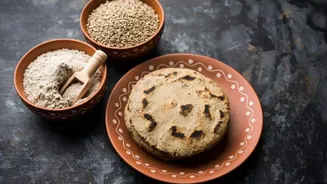
Rotis and theplas remain a popular breakfast choice, and several diabetic-friendly versions exist. Stuffed nachni (ragi) roti is a prime example, using ragi flour which is high in calcium and fiber, and often filled with vegetables like cauliflower and methi to further aid in glucose control. Methi khakhra, made with whole wheat flour and fenugreek, is also a good option due to its fiber content and the potential for fenugreek to improve insulin sensitivity. Jowar bajra garlic roti, a blend of millet flours, is beneficial as these grains have a low GI and are rich in fiber, promoting stable blood sugar levels and gradual energy release. Gujarati theplas, like the doodhi (bottle gourd) thepla, utilize whole wheat flour and the high-fiber, low-carb bottle gourd to slow glucose absorption. These flatbreads, when prepared with whole grains and nutrient-rich additions, offer a satisfying and blood-sugar-conscious start to the day, especially when paired with low-fat yogurt or a vegetable side.
Powerhouse Grains and Seeds
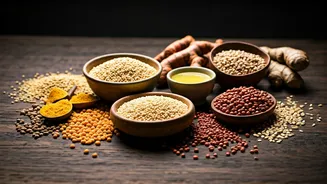
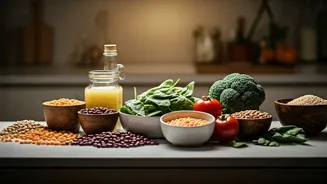
Beyond the common preparations, incorporating diverse grains and seeds can significantly enhance diabetic breakfasts. Sprouted moong salad or dhokla offers ultra-high protein and fiber with a negligible impact on blood sugar levels. Karela (bitter gourd) is highly beneficial for diabetics, and can be included in forms like karela thepla or consumed as juice first thing in the morning to help manage blood sugar and blood pressure. Energy chia seed drinks provide a healthy boost, and while specific recipes vary, they often emphasize endurance and a moderate calorie count per serving. Including nutrient-dense options like quinoa, ragi, bajra, jowar, broken wheat, and moong dal is key, as these are high in fiber and have a lower glycemic load than refined grains. These ingredients form the foundation for breakfasts that offer sustained energy, improved insulin sensitivity, and better overall metabolic health.