




What is 12-3-30?
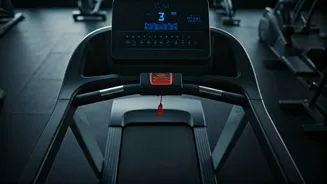
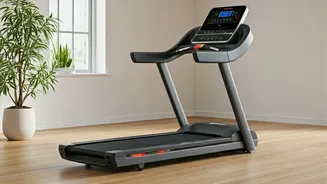
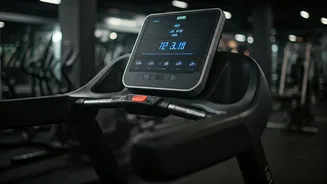
The 12-3-30 walking technique is a straightforward treadmill workout that has garnered significant attention for its perceived effectiveness in aiding
fat loss. The name itself dictates the parameters: a 12 percent incline, a walking speed of 3 miles per hour, and a duration of 30 minutes. This structured approach makes it easy to follow and replicate, removing the guesswork often associated with exercise routines. While incline walking has been a known fitness strategy for some time, the fixed nature of the 12-3-30 method provides a clear, predictable plan that many find conducive to consistent adherence. Its popularity surged through social media platforms, making it accessible to a wide audience seeking a manageable yet impactful cardio option that avoids the high impact of activities like running.
The Science of Incline Walking
When you walk on an incline, your body engages different muscle groups and increases its energy expenditure compared to walking on a flat surface. The increased resistance forces your glutes, hamstrings, and calves to work harder, while your heart rate elevates more rapidly, leading to a greater calorie burn. Studies indicate that increasing treadmill incline significantly boosts energy expenditure due to the body working against gravity. This enhanced caloric burn is a key factor in creating the calorie deficit necessary for fat loss. A 30-minute session, performed consistently, can contribute meaningfully to meeting recommended weekly moderate-intensity aerobic activity guidelines, such as the 150 minutes suggested for overall health.
When It Truly Works
The effectiveness of the 12-3-30 method, like any fitness strategy, is amplified when integrated into a comprehensive lifestyle approach. It is not a standalone magic bullet for fat loss. Optimal results are achieved when this routine is complemented by a balanced diet that emphasizes whole foods and adequate protein intake, ensuring 7 to 8 hours of quality sleep, and incorporating strength training to preserve muscle mass. Consistency is paramount, as Aristotle wisely noted, "We are what we repeatedly do." Progressing intensity gradually over several weeks, rather than relying on extreme measures, also fosters sustainable results. The routine shines brightest when it becomes a reliable habit rather than a grueling ordeal, making it a supportive component of broader health and wellness efforts.
Who Benefits Most
The 12-3-30 walking technique is particularly well-suited for individuals who prefer low-impact workouts, experience discomfort during high-impact activities like running, are new to structured cardio routines, or simply seek a predictable and repeatable exercise plan. Its gentle nature on the joints makes it an excellent alternative for those looking to avoid the stress associated with jumping and sprinting. Beginners might find it beneficial to start with a slightly lower incline and gradually increase it as their fitness improves, ensuring the workout remains sustainable rather than overwhelming. The key is to tailor the intensity to individual capabilities to foster long-term adherence and enjoyment.
Where It Falls Short
While beneficial for cardiovascular health and lower body strengthening, the 12-3-30 routine has limitations. It does not comprehensively target upper-body muscles and therefore does not replace the need for full-body resistance training. Without strength training, improvements in muscle mass, which are crucial for long-term metabolic health, may be limited. Furthermore, the body has an adaptive capacity; consistently performing the exact same workout without progression can lead to a plateau in calorie expenditure. This doesn't render the routine ineffective, but rather highlights the importance of evolving the workout over time to continue challenging the body and stimulating further adaptation and progress.
Fat Loss Fundamentals
Fundamentally, fat loss is achieved through a consistent calorie deficit maintained over time. Exercise, including the 12-3-30 routine, plays a vital role in supporting this deficit by increasing calorie expenditure. However, it's crucial to understand that exercise cannot entirely compensate for an unbalanced diet. Research consistently shows that combining aerobic activities with dietary adjustments yields superior fat loss results compared to exercise alone. While a 70 kg individual might burn an estimated 200-300 calories during a 30-minute incline walk, this figure varies based on individual factors and treadmill calibration. Therefore, managing daily caloric intake remains the primary driver of fat loss, with exercise serving as a powerful complementary tool.