





Idli: The Classic
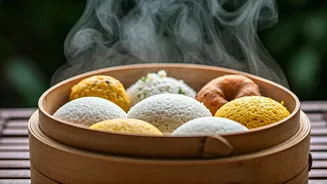
Idli, a South Indian staple, begins our list. These fluffy, steamed cakes are made from fermented rice and lentil batter. The fermentation process enhances
digestibility, making them easy on the stomach. Idlis are naturally low in calories and high in carbohydrates, making them a great energy source. They are often served with sambar (a lentil-based vegetable stew) and coconut chutney. The preparation involves soaking the rice and lentils, grinding them into a smooth batter, allowing it to ferment overnight, and then steaming the batter in special idli molds. This simple, yet effective method results in a light and airy breakfast that is both filling and nutritious, making it an excellent choice for a balanced start to the day. This classic dish is a testament to the simplicity and effectiveness of traditional Indian cuisine, offering a wholesome and easily digestible meal option.
Puttu: Kerala Delight
Puttu is a beloved breakfast item in Kerala, known for its unique texture and flavorful taste. It is made from steamed cylinders of ground rice, layered with grated coconut. The rice flour is often mixed with a bit of salt and water to create a slightly coarse texture. The mixture is then steamed in a puttu maker, resulting in a soft, crumbly dish. Puttu is traditionally served with kadala curry (black chickpea curry) or a sweet version with grated coconut and banana. It provides a good source of carbohydrates from the rice and healthy fats from the coconut. The steaming process ensures that the dish is light and easy to digest, making it a perfect choice for those who prefer a non-oily breakfast. Puttu's simplicity and distinct flavor profile have made it a favorite across generations, embodying the essence of Kerala's culinary heritage.
Dhokla: Gujarati Treat
Dhokla, a savory steamed cake from Gujarat, offers a tangy and slightly sweet flavor profile that is both appealing and satisfying. This dish is made from fermented batter, typically a mix of gram flour (besan), yogurt, and spices, which provides it with a light, spongy texture. The batter is steamed until it rises and sets, then tempered with mustard seeds, green chilies, and curry leaves. This tempering not only enhances the flavor but also adds a delightful aroma. Dhokla is often served with green chutney and is a good source of protein due to the gram flour. It is a nutritious and easily digestible breakfast option, perfect for those seeking a light yet flavorful start to their day. Its versatility and delicious taste have made it a popular breakfast choice across India, reflecting the diversity of Indian cuisine.
Modak: Maharashtrian Sweet
Modak, a sweet dumpling, holds a special place in Maharashtrian cuisine, often associated with the festival of Ganesh Chaturthi. Though primarily known as a sweet, it can be steamed, making it a healthy breakfast choice. Modaks are made from rice flour dough, filled with a mixture of grated coconut and jaggery. The dough is shaped into a dumpling, and then steamed until it becomes soft and tender. The sweetness from jaggery provides natural sugars, and coconut offers healthy fats and fiber. It's a delightful treat that offers a balance of flavors and textures, making it a perfect breakfast option, especially for those with a sweet tooth. This traditional sweet embodies the cultural richness of Maharashtra, celebrated during festive occasions but enjoyable throughout the year.
Idiyappam: String Hoppers
Idiyappam, also known as string hoppers, is a South Indian dish composed of rice flour noodles, steamed to perfection. The process involves pressing rice flour dough through a sieve to create thin strands, which are then steamed, resulting in a delicate, almost translucent dish. They are usually served with vegetable stew, or with coconut milk and sugar, depending on the region and preference. This dish is low in fat and easily digestible, making it a light yet satisfying breakfast option. Idiyappam's simplicity and delicate texture make it a versatile breakfast choice, suitable for various palates. Its adaptability in pairing with different curries or sweet accompaniments has contributed to its enduring popularity across South India.
Khaman: Spongy Goodness
Khaman is another popular Gujarati snack, prepared by steaming a batter made of gram flour, spices, and sometimes vegetables. The batter is fermented to achieve a fluffy texture, then seasoned and steamed until it becomes light and spongy. It's often tempered with mustard seeds, chilies, and curry leaves, imparting a flavorful edge. Khaman is typically served with coriander chutney, adding a refreshing element to the savory dish. The use of gram flour offers a good source of protein, and the steaming process ensures that the dish is not heavy, making it a healthy and satisfying breakfast choice. Its simplicity and flavorful profile have made it a favorite across Gujarat and beyond, representing the region's culinary skill.
Bati: Rajasthani Staple
Bati is a quintessential dish from Rajasthan, traditionally made from whole wheat flour, formed into round balls, and baked or steamed. These balls are often served with dal (lentil stew) and churma (sweet crumbly mixture). While baking is more common, steaming bati is also a viable option to offer a less heavy version. The texture of steamed bati is soft and easy to digest, making it a suitable breakfast choice. The dish provides complex carbohydrates from the wheat, ensuring sustained energy levels throughout the morning. This dish embodies the rich culinary heritage of Rajasthan, offering a filling, satisfying, and culturally significant breakfast option. The combination of bati with dal and churma creates a balanced meal, with varied textures and tastes, making it a wholesome breakfast.
Poha: Flattened Rice
Poha is a quick and simple breakfast option made from flattened rice, tempered with mustard seeds, curry leaves, onions, and spices. It's a common breakfast in Maharashtra and several other parts of India. Poha is easy to prepare, making it ideal for busy mornings. The flattened rice is soaked briefly to soften and then sautéed with vegetables and spices. It can be made in various ways, with the addition of peanuts, peas, and other vegetables adding to the flavor and nutritional value. The dish is light, easily digestible, and provides a good source of carbohydrates, making it a fulfilling breakfast. Poha's adaptability and quick cooking time have solidified its popularity as a go-to breakfast, offering a nutritious and convenient start to the day.
Appam: Thin Pancakes
Appam, a South Indian pancake, is a delightful breakfast dish made from fermented rice batter and coconut milk. This unique combination gives it a soft, spongy center and a crispy, lacy edge. Appam is cooked in a special pan, which helps to create the distinct shape and texture. It is often served with stew, vegetable kurma, or chutney. The fermentation process enhances the digestibility, and the coconut milk adds a subtle sweetness and healthy fats. Appam is a light and satisfying breakfast that is packed with flavor and texture. The dish's unique preparation and delicious taste has made it a favorite among many people, showcasing the rich culinary traditions of South India.
Uttapam: Savory Pancake
Uttapam is a thick, savory pancake from South India, made from a fermented batter of rice and lentils, similar to that used for idli and dosa. What sets uttapam apart is the addition of toppings like onions, tomatoes, chilies, and coriander. These ingredients are added to the pancake while it's cooking, creating a flavorful and visually appealing dish. Uttapam is steamed until the batter is cooked through, with the toppings slightly caramelized. It is usually served with sambar and chutney, making it a hearty and filling breakfast choice. This is also a good option when incorporating vegetables, ensuring a nutritious and flavorsome morning meal. Its adaptability allows it to cater to diverse tastes and preferences.