






Introduction: A Healthy Start
Embark on a culinary journey to a healthier breakfast with Beetroot and Sweet Potato Parathas. These parathas are not only visually appealing but also
packed with essential nutrients and fiber. Perfect for any age, it brings a fresh twist to the traditional Indian breakfast while infusing the goodness of vegetables. This guide provides a straightforward recipe that welcomes both novice and seasoned cooks alike. By making these parathas, you can significantly enhance your diet, introducing vital vitamins and minerals.
Ingredients: Gathering Essentials
Before starting, ensure all ingredients are ready. For the dough, gather 2 cups of whole wheat flour, 1/2 teaspoon of salt, and water for kneading. For the filling, you'll need 1 medium-sized beetroot (grated), 1 medium-sized sweet potato (grated), 1/2 teaspoon of cumin powder, 1/4 teaspoon of red chili powder (adjust to taste), a pinch of asafoetida (hing), and salt to taste. Additionally, you will require some ghee or oil for cooking the parathas. Having these readily available makes the cooking process smoother and more enjoyable. Remember to wash and prepare the vegetables beforehand for easy grating.
Dough Preparation: The Foundation
Begin by preparing the dough. In a large bowl, mix the whole wheat flour and salt. Gradually add water, kneading until you achieve a soft, pliable dough. The dough's texture should be smooth and not too sticky. Cover the dough with a damp cloth and allow it to rest for at least 20-30 minutes. This resting period allows the gluten to relax, making the parathas softer. Resting also helps in even distribution of moisture throughout the dough, improving the overall texture.
Filling Preparation: Flavor Boost
While the dough rests, prepare the filling. Grate the beetroot and sweet potato. In a bowl, combine the grated vegetables with cumin powder, red chili powder, asafoetida, and salt. Mix thoroughly to ensure the spices are evenly distributed throughout the filling. The spices not only add flavor but also aid in digestion. Make sure the vegetables are finely grated, so they cook evenly when the parathas are being made. The careful mixing ensures each bite is full of deliciousness.
Paratha Assembly: Shaping Success
Divide the dough into equal-sized portions. Roll each portion into a small circle. Place a spoonful of the beetroot and sweet potato filling in the center of the circle. Gently bring the edges of the dough together, sealing the filling inside. Flatten the filled dough ball slightly. Using a rolling pin, carefully roll out the filled ball into a paratha, about 6-8 inches in diameter. Be gentle while rolling to prevent the filling from leaking out. This stage requires patience and careful handling to ensure the paratha’s beauty.
Cooking: The Final Touch
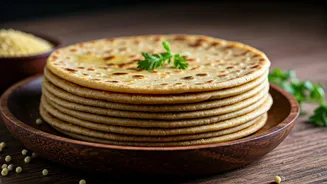
Heat a griddle or a flat pan over medium heat. Place the rolled paratha on the hot griddle. Cook for about a minute or until small bubbles appear on the surface. Flip the paratha and brush with ghee or oil. Cook the other side for another minute, then flip again. Press gently with a spatula and cook until both sides are golden brown and cooked through. Repeat this process for each paratha. The ghee or oil adds a richness and helps in browning the parathas evenly.
Serving Suggestions: Enjoying the Meal
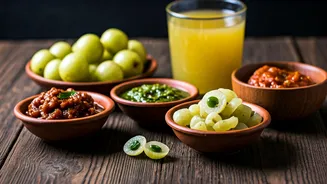
Serve the Beetroot and Sweet Potato Parathas hot with your favorite accompaniments. They taste great with plain yogurt, a dollop of butter, or a side of pickle. You can also pair them with a spicy chutney for added flavor. These parathas are versatile and can be enjoyed for breakfast, lunch, or dinner. They're also great for packing as a healthy lunchbox option. Their vibrant color and delicious taste make them a hit with both kids and adults.
Variations: Personalize Your Paratha
Feel free to customize this recipe according to your preferences. You can add other grated vegetables like carrots or spinach for additional nutrients and color. Experiment with different spices to change the flavor profile. For a vegan option, use oil instead of ghee. If you like a crunchier texture, try adding sesame seeds to the dough. These variations will help you create a personalized paratha, making it more appealing to your specific tastes and needs. The key is to experiment and find what suits your palate best.