






Strict Prescription Mandate
In anticipation of the widespread availability of generic versions of popular GLP-1 drugs, particularly semaglutide, the nation's top drug regulatory body
has issued a critical advisory. This directive firmly states that these medications are to be sold exclusively under the prescription of a registered medical practitioner. The Central Drugs Standard Control Organisation (CDSCO) has clarified that any promotional efforts aimed at the general public, designed to stimulate demand, overstate the drug's effectiveness, or diminish the significance of lifestyle adjustments, will be classified as deceptive marketing. This proactive stance is crucial to ensure these powerful drugs are used appropriately and safely by those who genuinely need them, under professional medical guidance.
Combating Misleading Promotions
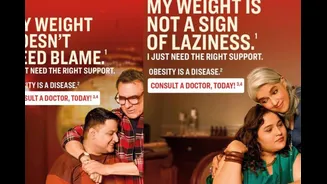
The advisory specifically targets various forms of promotion, including indirect or surrogate marketing tactics, disease awareness campaigns that subtly promote specific products, and digital outreach efforts concerning GLP-1 receptor agonists and similar prescription-only drugs for obesity and metabolic disorders. The CDSCO has emphasized that any promotional activity, irrespective of its guise such as 'awareness campaigns,' that effectively functions as an advertisement for prescription drugs will be treated with utmost seriousness and may be deemed an irrational or misleading marketing practice. This includes corporate campaigns, influencer collaborations, and any other activities that aim to build brand recognition or product visibility for these prescription medications. The regulator's aim is to prevent the exploitation of vulnerable populations and ensure that marketing practices adhere to ethical standards.
Drug History and Market Surge
Semaglutide first received approval from the US Food and Drug Administration in 2017, initially for managing Type 2 diabetes. However, its significant impact on weight management soon led to its widespread off-label use. A specifically formulated higher-dose version for weight loss was subsequently approved by the US FDA in 2021. The drug's global popularity was notably amplified by endorsements from celebrities and social media influencers, leading many individuals in India to seek the drug abroad even before its official introduction into the Indian market. Both this medication and a successor drug from a different pharmaceutical company entered the Indian market last year. With patent expirations anticipated, a substantial increase in the number of brands is expected, with close to 50 new brands reportedly slated for launch in the latter half of March, signaling a significant shift in the market landscape.
Ensuring Responsible Access
In light of the impending surge in generic weight loss drug availability, the drug regulator has urged all manufacturers, importers, and market authorization holders to rigorously adhere to the stipulations of the Drugs and Cosmetics Act. Package inserts for these medications are now required to include a dedicated contact number and a mechanism for consumers to submit queries and report issues, facilitating better communication and accountability. Furthermore, companies are instructed to uphold all ethical marketing principles to prevent the exploitation of susceptible individuals. A comprehensive risk management plan is also a mandatory submission, designed to ensure continuous oversight and the implementation of appropriate measures to mitigate potential risks associated with these potent medications.