

Salar Jung's Rich Collection
While its immense scope is undeniable, the Salar Jung Museum, a treasure trove of global art, antique clocks, sculptures, and rare manuscripts, often gets
overlooked on the international stage. It stands as one of India's most significant repositories of diverse artistic and historical artifacts, offering visitors a comprehensive journey through various eras and civilizations. The sheer volume and variety of its holdings, spanning from delicate miniature paintings to imposing European sculptures, make it a critical, albeit sometimes understated, cultural landmark. Its halls echo with centuries of craftsmanship and artistic expression, presenting a world-class collection that deserves greater recognition for its comprehensive scope and historical depth.
Rajasthan's Desert Narratives
Arna-Jharna, often referred to as The Desert Museum of Rajasthan, dedicates itself to illuminating the intricate relationship between desert communities and their environment. This institution delves into the rich tapestry of Rajasthan's folk traditions, the resilient pastoral lifestyles that define the region, and the ingenious water conservation systems developed over centuries. It also showcases the vibrant textile heritage, a crucial aspect of the local culture and economy. Through its exhibits, visitors gain a profound appreciation for the unique ecological adaptations and the enduring cultural practices that have allowed communities to thrive in arid landscapes. The museum serves as a vital archive of knowledge about survival and artistry in one of India's most iconic desert regions.
Kerala's Heritage Unveiled
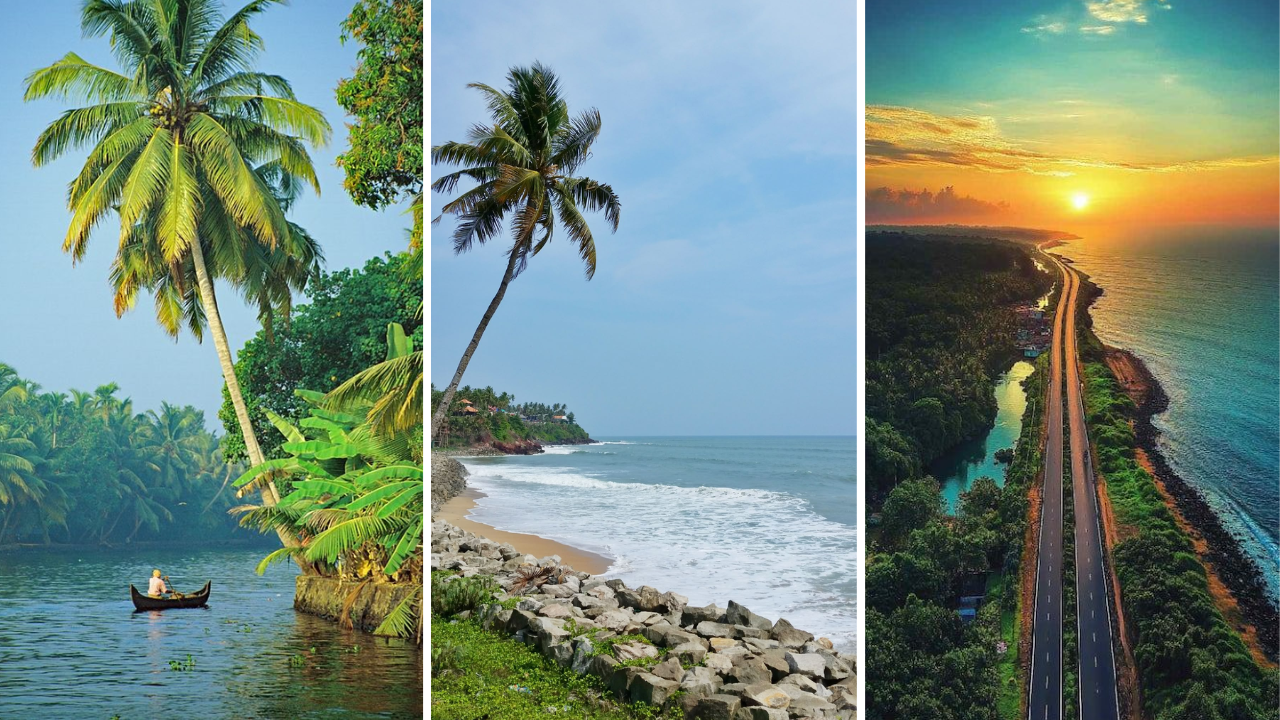
The Kerala Museum of History and Heritage masterfully intertwines historical chronicles with contemporary artistic expressions and cultural storytelling. It charts the compelling socio-artistic evolution of Kerala through thoughtfully curated exhibits and immersive galleries designed to engage visitors on multiple levels. This museum goes beyond mere chronological displays, offering a dynamic portrayal of the state's unique cultural trajectory. By blending historical context with modern artistic interpretations, it provides a holistic and engaging perspective on Kerala's identity, showcasing how its past continues to influence its present artistic and social landscape. It is a vibrant exploration of a region's dynamic heritage.
Assam's Mystical Past
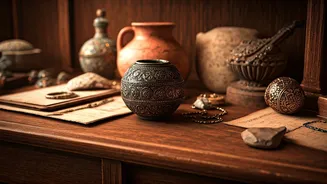
Nestled in a village renowned for its deep-rooted folklore and ancient traditions of magic, the Mayong Central Museum and Emporium offers a truly unique experience. This unconventional museum carefully preserves ancient manuscripts, ritualistic objects, and artifacts that shed light on Assam's historical connection to mysticism and the esoteric. It serves as a fascinating gateway into the spiritual and cultural underpinnings of the region, showcasing practices and beliefs that have shaped local narratives for generations. The collection provides a tangible link to the village's enigmatic reputation, offering visitors a glimpse into a world where folklore and history converge, presenting a captivating narrative of Assam's mystical heritage.
Gujarati Folk Treasures
The Shreyas Folk Museum is a testament to the preservation of Gujarat's rich traditional folk culture, a gem that remains significantly underrated. Its extensive collection features a vibrant array of textiles, intricate embroidery work, traditional toys, exquisite tribal art forms, and diverse costumes. It also showcases a variety of handcrafted objects that represent the ingenuity and artistic flair of Gujarat's communities. This museum acts as a vital repository, safeguarding the tangible expressions of a living cultural heritage, offering visitors a colorful and detailed panorama of Gujarati craftsmanship and artistic traditions. It’s a celebration of folk art in its most authentic and varied forms.
Partition's Human Stories
The Partition Museum stands as a deeply moving tribute to the human experiences of the 1947 Partition of India. It meticulously documents the profound impacts of this historical event through personal narratives, focusing on migration, the enduring nature of memory, the deep sense of loss, and the remarkable resilience of those affected. The museum's collection comprises evocative letters, poignant photographs, and powerful oral histories, all contributing to a comprehensive understanding of this watershed moment in Indian history. It provides an essential, albeit emotional, platform for remembrance, ensuring that the personal stories of millions are preserved and shared, offering a critical perspective on the human cost of division.