






The Intertwined Relationship
The body’s intricate systems are remarkably interconnected. Blood sugar and cholesterol are prime examples of this close relationship. Elevated blood sugar,
often a hallmark of diabetes or prediabetes, can set off a cascade of events influencing cholesterol levels. The process involves multiple biochemical pathways, ultimately creating an environment where harmful cholesterol accumulates. When blood sugar becomes too high, it can damage blood vessels, potentially allowing cholesterol to build up and contribute to cardiovascular problems. Hence, managing blood sugar effectively is a crucial step towards maintaining a healthy cholesterol profile. Controlling blood sugar can help protect blood vessels and reduce the risks associated with high cholesterol.
High Blood Sugar's Impact
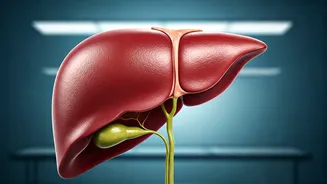
High blood sugar, or hyperglycemia, directly affects cholesterol metabolism in several ways. It can lead to an increase in LDL (low-density lipoprotein) cholesterol, often referred to as 'bad' cholesterol, and simultaneously decrease HDL (high-density lipoprotein) cholesterol, known as 'good' cholesterol. High blood sugar can also lead to the production of smaller, denser LDL particles, which are more likely to penetrate artery walls and contribute to the buildup of plaque. Furthermore, it impairs the liver’s ability to clear LDL cholesterol from the blood efficiently. This means LDL cholesterol stays in the bloodstream longer, increasing the risk of it accumulating in the arteries. Thus, hyperglycemia sets the stage for elevated cholesterol levels and potentially cardiovascular problems.
Improve Blood Sugar Control
Several effective strategies can help manage blood sugar, which in turn, positively impacts cholesterol levels. A balanced diet, rich in fiber, whole grains, and lean proteins, is essential. Limiting processed foods, sugary drinks, and saturated fats is also key. Regular physical activity enhances insulin sensitivity, allowing the body to use glucose more efficiently. Aim for at least 150 minutes of moderate-intensity exercise per week, like brisk walking or cycling. Maintaining a healthy weight through a combination of diet and exercise is crucial. If you have diabetes or prediabetes, medication may be necessary to help control blood sugar levels. Regular monitoring of blood sugar levels through home testing and routine check-ups with a healthcare provider can help you stay on track and adjust your management plan.