





The Lingering Obesity Imprint
It turns out that our bodies have a remarkable capacity to remember past states, and this is particularly true for obesity. Even after successfully losing
weight, the physiological repercussions can persist for years, often unbeknownst to us. Research is now illuminating how this 'obesity memory' operates, primarily within our immune cells. These alterations are not superficial; they are rooted in genetic and cellular mechanisms that can influence our susceptibility to inflammation, metabolic complications, and the frustrating tendency for weight to creep back. This challenges the simplistic notion of weight loss as a simple reset button and underscores that achieving and maintaining health is a marathon, not a sprint, emphasizing consistency across many years.
Immune Cells Hold Clues
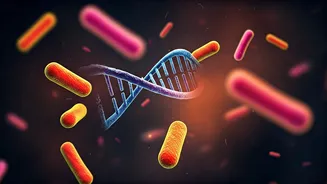
At the heart of this 'obesity memory' phenomenon are specialized immune cells known as CD4 T cells. These cells are vital for our body's defense system, helping to ward off infections and maintain overall balance. However, when an individual experiences obesity, these critical cells undergo subtle yet significant modifications at a genetic level. A key process involved is DNA methylation, which essentially alters how certain genes function without changing the underlying DNA sequence. Astonishingly, these epigenetic changes can remain ingrained in the cells for an extended period, even post-weight loss. Consequently, the immune system might continue to react as if the body is still under the strain of excess weight, creating a persistent internal state of heightened alert and potential dysfunction.
Weight Loss Isn't Instant Reset
Contrary to popular belief, shedding pounds doesn't immediately restore the immune system to its pristine, pre-obesity state. Scientific insights suggest that it could take a considerable time, potentially ranging from five to ten years of consistently maintaining a healthy weight, for the body to fully rebound. This prolonged recovery period is attributed to two critical cellular processes: autophagy, the cell's internal recycling and cleanup system which can become dysregulated during obesity, and immune senescence, a form of cellular aging where immune cells lose their effectiveness and begin releasing inflammatory signals. The interplay of these factors contributes to a lingering state of low-grade, chronic inflammation, which can explain why individuals who have lost weight may still experience metabolic issues or find it easier to regain lost pounds.
Diet's Persistent Influence
The study also sheds light on the enduring impact of dietary components, particularly saturated fats like palmitate. These fats are more than just sources of calories; they actively influence cellular behavior and function. They can modify the very structure of cell membranes, interfere with how signals are transmitted within cells, and even trigger changes that reach the cell's nucleus, affecting gene expression. This cascade of events has profound implications for metabolism, insulin sensitivity, and how the body stores fat. Indeed, researchers have established connections between these persistent immune alterations and the development of insulin resistance, a hallmark of metabolic syndrome. This reinforces the understanding that food serves as critical biological information, not merely fuel.
Rethinking Obesity Management
These groundbreaking findings necessitate a paradigm shift in how we approach obesity. The focus is moving away from quick fixes and short-term weight reduction towards a more holistic and sustained approach to health management. Obesity is now understood not just as an issue of excess body mass, but as a condition that profoundly reshapes the body's internal workings and long-term health trajectory. This new perspective helps explain the common struggle with weight regain, the persistence of chronic diseases even after significant weight loss, and why prioritizing early prevention of obesity offers a more effective strategy than attempting corrections later in life.