



A Himalayan Spiritual Haven
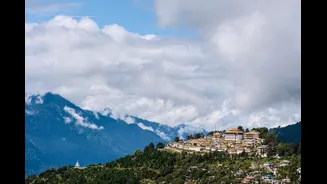
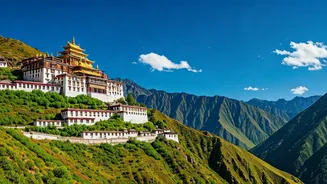
High in the remote, cloud-kissed mountains of Arunachal Pradesh lies Tawang Monastery, a truly extraordinary spiritual destination. Situated at an elevation
of approximately 10,000 feet, this magnificent monastic complex offers more than just a place for worship; it provides a profound experience that artfully merges tranquility, historical significance, cultural richness, and the unparalleled beauty of the Himalayas. Known locally as "Galden Namgey Lhatse," translating to "celestial paradise in a clear night," Tawang Monastery holds the distinction of being the largest monastery in India and ranks as the second largest globally, surpassed only by the Potala Palace in Lhasa. Its establishment in the 17th century by Lama Lodre Gyatso marks it as a crucial center for the Gelugpa school of Buddhism, continuing to be a beacon for monks and followers for generations.
The Enchanting Ascent
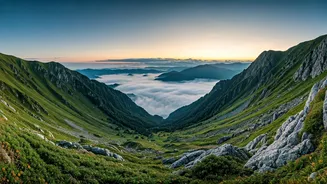
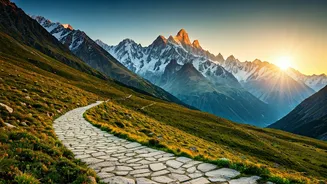
The journey to Tawang is an adventure in itself, weaving through captivating mountain landscapes that create lasting memories. As you traverse winding roads, you'll be met with panoramic vistas of snow-capped peaks, dramatic deep valleys, and tranquil lakes, each turn revealing a new spectacle. A pivotal part of this journey often involves crossing the iconic Sela Pass, frequently enshrouded in snow and mist, adding an element of mystique to the travel. Approaching the town, the Tawang Monastery emerges dramatically, presenting itself like a formidable fortress gazing out over the expansive valley below, an unforgettable sight that heralds your arrival at this sacred locale.
A Hub of Monastic Life
Sprawling across a significant area, Tawang Monastery is home to an active community of around 300 monks, functioning as a vital educational and spiritual center for Buddhist learning. The monastery complex is thoughtfully designed, encompassing various facilities that support daily life and practice, including prayer halls for communal worship, residential quarters for the monks, well-stocked libraries, and schools dedicated to Buddhist studies. The most captivating element within the main assembly hall is the imposing, radiant golden statue of Lord Buddha. Its serene presence imbues the space with an atmosphere of deep peace and profound spirituality, offering a focal point for meditation and devotion for all who visit.
Artistry and Sacred Texts
The internal artistry of Tawang Monastery is as compelling as its external grandeur. Within its walls, visitors can discover ancient scriptures, vibrant murals depicting Buddhist narratives, intricate thangka paintings, and a wealth of traditional Buddhist art, providing an authentic window into centuries-old spiritual customs. The monastery's library is a particularly noteworthy treasure, preserving a precious collection of rare, handwritten manuscripts and sacred texts. This repository makes it an indispensable destination for enthusiasts of history and culture, offering insights into the rich textual heritage of Tibetan Buddhism.
Immersive Spiritual Energy
Beyond its architectural and artistic merits, Tawang Monastery's true essence lies in its palpable spiritual energy. The continuous, rhythmic chanting of the monks, the gentle whirring of prayer wheels, and the pervasive, calming scent of incense converge to create an immersive and serene experience. This atmosphere has a lasting impact, resonating with visitors long after their departure. Observing the daily routines of the young monks engaged in their studies and practices adds a charming layer of authenticity and provides a poignant glimpse into the continuity of monastic traditions.
Festivals and Traditions
Tawang Monastery truly comes alive during its vibrant annual festivals, most notably the Torgya festival. This significant event is characterized by captivating masked dances, intricate rituals, and lively cultural performances that showcase the rich heritage of the Monpa people and Buddhist traditions. During Torgya, the entire town of Tawang transforms into a dynamic hub of celebration, offering visitors a rare opportunity to witness ancient customs and contemporary expressions of faith and culture intertwined. These festivities highlight the monastery's role not just as a spiritual center, but as a custodian of living traditions.
Beyond the Monastery Walls
While the monastery is undoubtedly the heart of Tawang, the surrounding region offers a wealth of other attractions for exploration. Visitors can pay their respects at the Tawang War Memorial, a solemn tribute to Indian soldiers who served in the area. Further afield, the stunning Madhuri Lake and the strategically important Bum La Pass, situated near the Indo-China border, provide breathtaking natural beauty and historical context. However, for the vast majority of travelers, the profound spiritual atmosphere and cultural significance of the Tawang Monastery remain the defining element of their journey.
Planning Your Visit
Embarking on a journey to Tawang requires careful planning, primarily due to the need for special permits and the unpredictable mountain weather conditions. Despite these considerations, the effort involved is richly rewarded by the unique experiences that await. The optimal period for visiting, offering pleasant weather conducive to exploration, is generally between March and October. For those who embrace the allure of winter and wish to witness dramatic snow-covered landscapes, visiting during the colder months can also provide an unforgettable, albeit more challenging, travel experience.