






Why Besan Matters
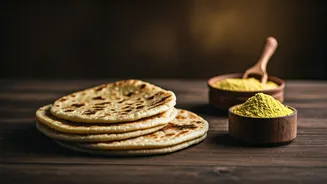
Integrating besan into your chapati atta presents a fantastic opportunity to enhance the nutritional value of your rotis, particularly during the colder
months. Besan, derived from ground chickpeas, brings a wealth of benefits that go beyond simple taste improvements. It's a powerhouse for those seeking to enrich their daily diet with extra nutrients and fiber. The addition of besan subtly alters the texture of your chapatis, often making them softer and more enjoyable. These changes are especially appealing during winter when comforting, warm foods are preferred. Plus, it offers a simple way to introduce variety to your everyday meals, making them less monotonous. This shift can influence your appetite and make you feel fuller for longer periods, helping you better manage your food intake.
Keeps You Fuller Longer
One of the most noteworthy advantages of adding besan to your chapati dough is its ability to help you feel satiated for a more extended period. Besan is rich in soluble fiber, which plays a crucial role in slowing down the digestion process. When you consume foods with a higher fiber content, they take longer to be broken down, preventing rapid spikes in blood sugar. This effect translates to a sustained release of energy, reducing the likelihood of sudden hunger pangs. Furthermore, fiber assists in regulating the absorption of nutrients, contributing to a more balanced and controlled energy curve throughout the day. This prolonged feeling of fullness can be particularly helpful during winter, when people tend to eat more and can struggle with portion control. Including besan in your diet helps manage those tendencies by naturally curbing your appetite.
Boosts Protein Intake
Adding besan to your chapati atta provides a valuable boost to your daily protein intake. Besan is a significant source of plant-based protein, which is essential for numerous bodily functions, including building and repairing tissues, producing enzymes and hormones, and maintaining overall cellular health. Unlike regular chapati dough, which relies mainly on wheat flour (primarily carbohydrates), the inclusion of besan introduces a more complete nutritional profile. This enhancement is especially helpful for individuals who may not consume enough protein from other sources. By substituting a portion of your regular flour with besan, you can make your chapatis a more protein-rich meal. This also helps support muscle maintenance, improves metabolic health, and provides you with the energy you require for the day’s activities. The added protein can be a game-changer if you’re looking to enhance your diet easily without significant changes in taste.
Better Blood Sugar Control
Another advantage of incorporating besan into your chapati dough is its potential to improve blood sugar control. Besan’s high fiber content slows down the absorption of glucose into the bloodstream, which is particularly beneficial for those managing diabetes or aiming to control their blood sugar levels. When glucose is released more gradually, it helps prevent rapid spikes and crashes, reducing the stress on your body's systems. This can lead to steadier energy levels and reduces the risk of long-term health complications associated with uncontrolled blood sugar, such as cardiovascular diseases. The low glycemic index of besan makes it a smarter alternative to refined flours, making it a great addition to your diet to support overall metabolic health. The controlled release of glucose also helps to keep you feeling fuller for longer periods, which can help in managing weight.
Makes Rotis Softer!
Beyond its nutritional perks, adding besan to chapati atta is a simple trick for softer, more enjoyable rotis. Besan, with its slightly different texture compared to regular wheat flour, alters the way the dough behaves. The inclusion of besan helps to bind the dough more efficiently and retains moisture, resulting in rotis that are less prone to drying out during cooking. These chapatis are often noticeably softer and more pliable, making them easier to chew and digest. This quality is especially desirable, as it enhances the overall eating experience, particularly for older adults or those who might find regular rotis too tough. The softer texture also means that these rotis are less likely to crack or break, making them ideal for carrying curries or other accompaniments. Besan thus not only adds nutritional value but also improves the sensory aspects of your meals, making them more enjoyable.