




Understanding Malaria's Threat
Malaria, a serious and potentially fatal illness, is transmitted through the bite of an infected Anopheles mosquito. The Plasmodium parasite, once in the bloodstream,
journeys to the liver to mature before attacking red blood cells, causing them to rupture. This disease is particularly prevalent in tropical and subtropical climates. Prevention methods include mosquito bite avoidance through repellents and nets, alongside maintaining clean surroundings to prevent stagnant water where mosquitoes breed. While medical treatments are crucial, certain natural remedies can also offer supportive care. Malaria can spread through various means, including mother-to-child transmission, blood transfusions, and the use of contaminated syringes.
Grapefruit's Antiparasitic Power
Grapefruit, a citrus fruit rich in Vitamin C and A, holds a significant natural compound called quinine. This substance is believed to possess properties that can neutralize malaria-inducing parasites within the body. By consuming grapefruit or its juice, individuals may experience benefits in combating the infection and bolstering their immune system. The fibrous nature of grapefruit also contributes to overall health. For a more concentrated form, quinine can be extracted by boiling grapefruit pulp. Its antioxidant properties further enhance its value as a supportive remedy for those managing malaria.
Cinnamon's Soothing Properties
The spice cinnamon, renowned for its medicinal attributes, contains cinnamaldehyde, which helps combat inflammation. Its anti-parasitic qualities make it a valuable natural aid for malaria sufferers. Consuming cinnamon can provide swift relief from body aches, a common malaria symptom. A simple preparation involves boiling cinnamon sticks in water and drinking the resulting concoction, optionally sweetened with honey. This beverage can also help alleviate loss of appetite, cramps, and nausea, contributing to a more comfortable recovery experience and acting as a useful home remedy against malaria.
Holy Basil's Anti-inflammatory Aid
Holy basil, a widely recognized herb, is particularly beneficial for easing inflammation and joint pain, which are often experienced by individuals with malaria. Its inclusion in numerous Ayurvedic medicines highlights its therapeutic potential, with some traditions suggesting it can help cure malaria. To utilize holy basil, it can be steeped in tea or boiled in water and consumed with honey. A paste made from basil leaves and black pepper can also be taken during periods of peak malaria fever for symptom relief. This herb offers a natural approach to managing the discomfort associated with the illness.
Fever Nuts for Fever Reduction
Fever nuts, derived from seeds with potent medicinal properties, are a traditional remedy for reducing malaria-related fevers. They are believed to actively combat the fever associated with malaria and simultaneously enhance the body's immune defenses. This natural ingredient works to lower elevated body temperatures, thereby alleviating a key symptom of the disease. Incorporating fever nuts into one's routine can be an effective strategy for managing the symptoms of malaria and supporting the body's natural healing processes.
Ginger's Digestive Support
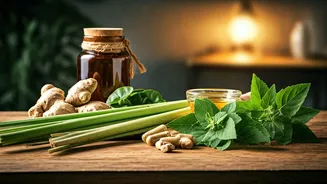
Ginger, a staple in many Indian households, offers a range of qualities beneficial for malaria patients. It is known to help alleviate nausea, reduce fever, ease body aches, and stimulate appetite. Its natural antibiotic properties can be leveraged by boiling ginger with water and consuming the liquid to expedite the recovery process. For an enhanced effect, ginger can be taken with raisins, further supporting the body's fight against the infection. This readily available root provides a simple yet effective home remedy for managing malaria symptoms.