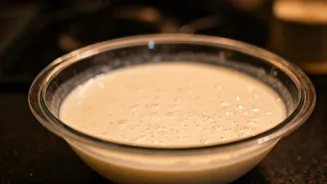

Winter Fermentation Challenges
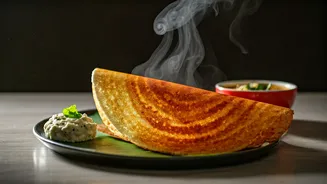
Cold temperatures significantly slow down the fermentation process, which is essential for achieving the light, airy texture of idli and dosa. Bacteria
and yeast, crucial for fermentation, thrive in warmth. When the environment is cold, these microorganisms become less active, leading to under-fermented batter. Consequently, your idlis might turn out dense and your dosas may not be as crispy as desired. Understanding this interplay between temperature and fermentation is the first step towards resolving the issue, allowing you to adapt your methods and create ideal conditions for successful fermentation during the winter months. Recognizing these challenges helps in implementing the right techniques to ensure the process works well regardless of the weather outside.
Embrace the Warmth
One of the most effective ways to promote fermentation in winter is by providing your batter with a warm environment. Think about using your oven: Pre-heat your oven to the lowest possible temperature for a few minutes, then switch it off. Place the batter inside the oven, covered, to maintain a steady, slightly warm temperature. Alternatively, a slow cooker or a rice cooker set to the 'warm' setting can offer a similar effect. Ensure the batter is securely covered but has adequate space, so the fermentation process can be carried out smoothly. Another smart trick involves using a heating pad, placed underneath a container of batter to encourage fermentation. In these methods, the batter must not be in direct contact with any heating appliance, which might affect the taste.
Adding the Right Ingredients
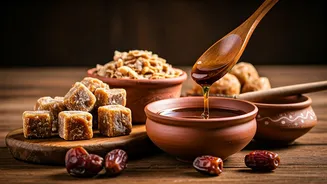
Specific ingredients can boost fermentation. Adding a small amount of sugar or jaggery provides the yeast with extra food, accelerating the process. Similarly, a touch of asafoetida (hing), known for its digestive properties and flavor, can encourage fermentation while adding a unique taste. If you're struggling to get the fermentation going, consider incorporating a small amount of active dry yeast. Be cautious when using this method; only a tiny pinch is required, and adding too much can lead to an undesirable sour flavor. Remember, the goal is to create the perfect environment for natural fermentation to occur. These enhancements offer the necessary support without compromising the authenticity of the idli and dosa flavors.
Mixing It Up
The method of mixing the batter is just as significant as the ingredients used. Ensure you are mixing the batter thoroughly, as this aerates it and introduces oxygen. This environment is favorable to the yeast, enabling it to develop and ferment the batter. The mixing process should ideally be done by hand, using a circular motion to include air into the mixture. If you're using a mixer, avoid over-mixing, as this can break down the batter's structure. Aim for a consistently mixed batter, where all ingredients are evenly distributed. A well-mixed batter is more likely to ferment uniformly, giving you fluffy idlis and crisp dosas.
Patience and Observation
Fermentation times tend to increase in winter. Instead of sticking to a fixed timeframe, observe the batter closely. Signs of good fermentation include bubbles on the surface and a noticeable increase in volume. Touch the batter to check its texture; it should appear light and slightly spongy. While the exact time can vary depending on your kitchen's temperature and the techniques used, it’s best to be patient and let the process run its course. Monitor the batter frequently, especially during the first few hours, and avoid disturbing it unnecessarily. If the batter is not showing any signs of fermentation after a reasonable amount of time, it could mean you might need to adjust your approach.
Storage Solutions
Once the batter is fermented, proper storage becomes crucial to maintain its quality and prevent over-fermentation. Store the batter in the refrigerator to slow down fermentation. The cool temperature slows down the activity of the yeast, allowing you to use the batter over several days without it becoming overly sour. Be sure to use an airtight container to prevent the batter from absorbing odors from other foods. When you're ready to make idlis or dosas, take out the required amount of batter and let it come to room temperature before use. This will enhance the texture and taste. Properly storing fermented batter ensures that you can enjoy delicious idlis and dosas whenever you want.