


The Protein Imperative
Protein is fundamental for bodily functions, acting as the body's building blocks for muscle, tissue, hormones, and enzymes crucial for digestion. Experts
recommend aiming for 20-30 grams of protein per meal and around 15 grams per snack to maintain optimal health and muscle mass. While traditional sources like meat and dairy are well-known, a varied diet incorporating different protein types, including plant-based options, is linked to a reduced risk of high blood pressure. Including diverse protein sources like legumes, whole grains, and eggs weekly can contribute to better cardiovascular health. This approach ensures your body receives the necessary amino acids for cellular repair and energy production, even from foods typically categorized as carbohydrates.
Marvelous Beans
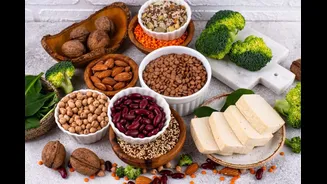
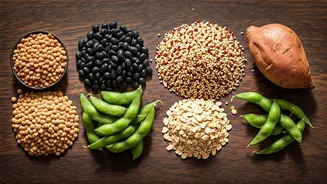
Beans, in their many varieties like black, pinto, and great northern, are nutritional powerhouses that significantly surpass an egg's protein content. A single cup of cooked black beans, for instance, delivers 15 grams of protein alongside 15 grams of beneficial fiber, aiding digestion and promoting satiety. Beyond protein and fiber, beans offer essential minerals such as calcium, folate, and potassium. Whether opting for convenient canned versions or preparing dried beans from scratch, they provide an economical and versatile way to boost meals. Their adaptability shines through in various dishes, from enriching burritos and tacos to livening up salads, soups, and stews, making them an accessible staple for any diet.
Lentil's Protein Punch
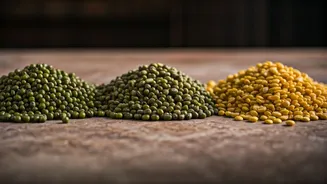
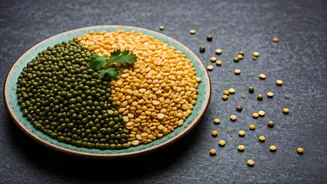
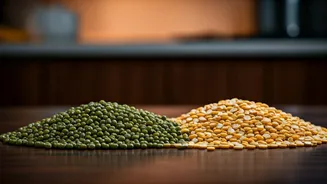
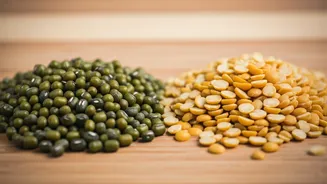
Belonging to the same legume family as beans, lentils are another excellent source of protein, offering nearly 18 grams per cup of cooked serving, a substantial increase over an egg. Available in diverse colors like green, brown, black, red, and yellow, each lentil variety possesses a unique flavor and texture profile, encouraging exploration to find personal favorites. Mastering lentil preparation is key, as overcooking can lead to an undesirable mushy consistency. Perfectly cooked lentils complement whole grains beautifully, can be a hearty addition to soups and salads, and serve as a fantastic base for vegetarian burgers, showcasing their versatility in numerous culinary applications.
Chickpeas: A Versatile Legume
Chickpeas, also recognized as garbanzo beans, stand out for their remarkable versatility and protein density. A single cup of cooked chickpeas provides approximately 15 grams of protein, complemented by an impressive 13 grams of fiber. These legumes are also a good source of choline, a vital nutrient for metabolic function and heart health, often lacking in many diets. Their applications are extensive: roasted chickpeas offer a crunchy, lower-calorie alternative to nuts or croutons, while they form the essential base for hummus. They can also be combined with vegetables and a simple vinaigrette for a satisfying salad, demonstrating their wide appeal.
Quinoa's Complete Protein
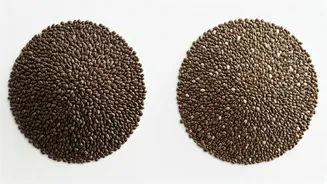
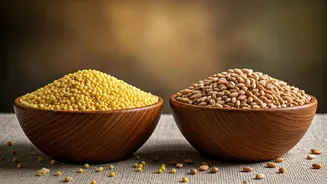
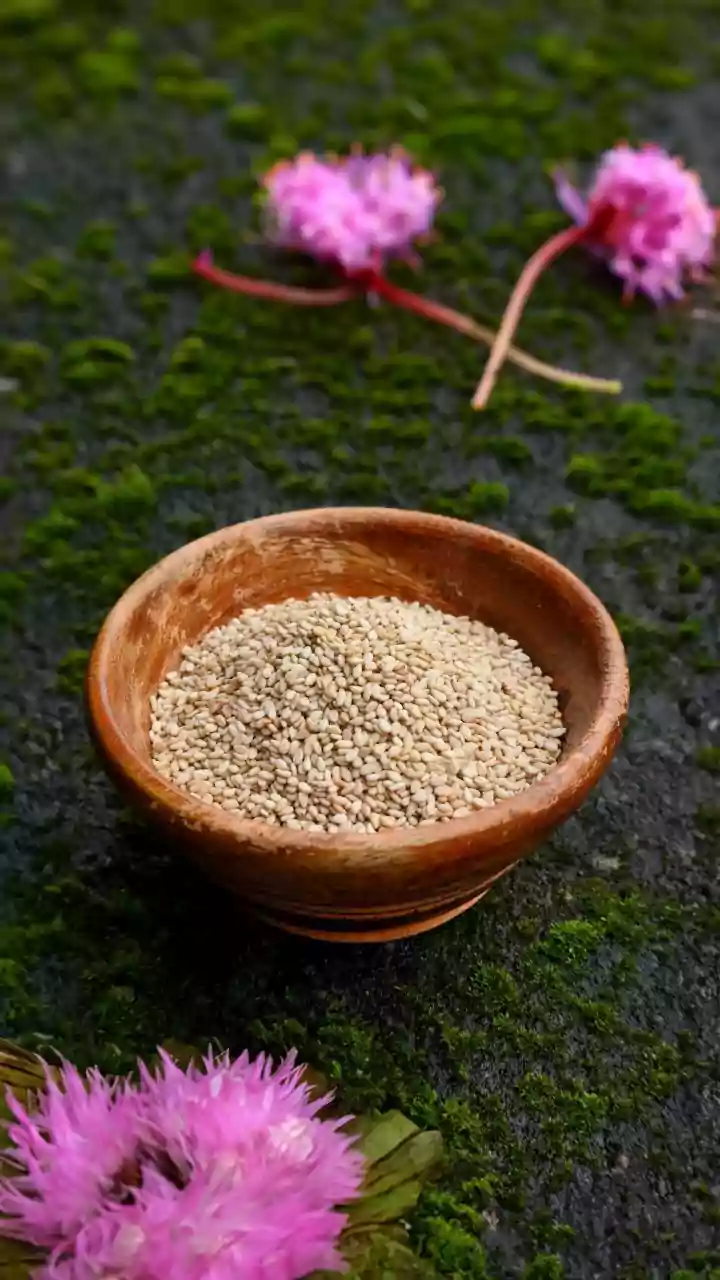
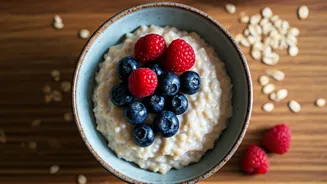
For those seeking a protein-rich alternative to rice, quinoa emerges as an exceptional choice. A 1-cup cooked serving yields 8 grams of protein and 5 grams of fiber. Notably, quinoa is distinguished as one of the few plant-based sources of complete protein, meaning it contains all nine essential amino acids. It also contributes a good amount of iron to your diet. Quinoa can be prepared as a fluffy side dish, a warm breakfast cereal, or incorporated into leafy green salads, casseroles, or even puffed for a high-protein snack. Its nutty flavor and satisfying texture make it a highly adaptable grain.
Farro: Ancient Grain Power
Farro, an ancient wheat grain, provides a significant protein boost, offering 6 grams of protein per quarter-cup of dry farro, which equates to about half a cup when cooked. This grain is often described as having a nutty flavor and a pleasantly chewy texture, making it a delightful addition to various meals. Similar to quinoa, farro is incredibly versatile, serving as an excellent foundation for salads or as a hearty, protein-packed hot breakfast cereal. Its robust flavor and texture profile allow it to be a satisfying base for both savory and sweet preparations, enhancing the nutritional value of everyday dishes.
Whole-Wheat Pasta's Protein
Contrary to common perception, pasta can contribute a substantial amount of protein, especially whole-wheat varieties. One cup of cooked whole-wheat spaghetti alone provides 7 grams of protein, rivaling an egg's content. Compared to refined white-flour pasta, whole-wheat versions offer a nuttier taste and a more robust texture. They are suitable for a wide range of dishes, from creamy sauces to traditional tomato-based preparations. For an even greater protein impact, consider opting for pasta made from legumes like lentils, beans, or chickpeas, further amplifying the nutritional benefits of your pasta meals.