
Winter's Initial Grip
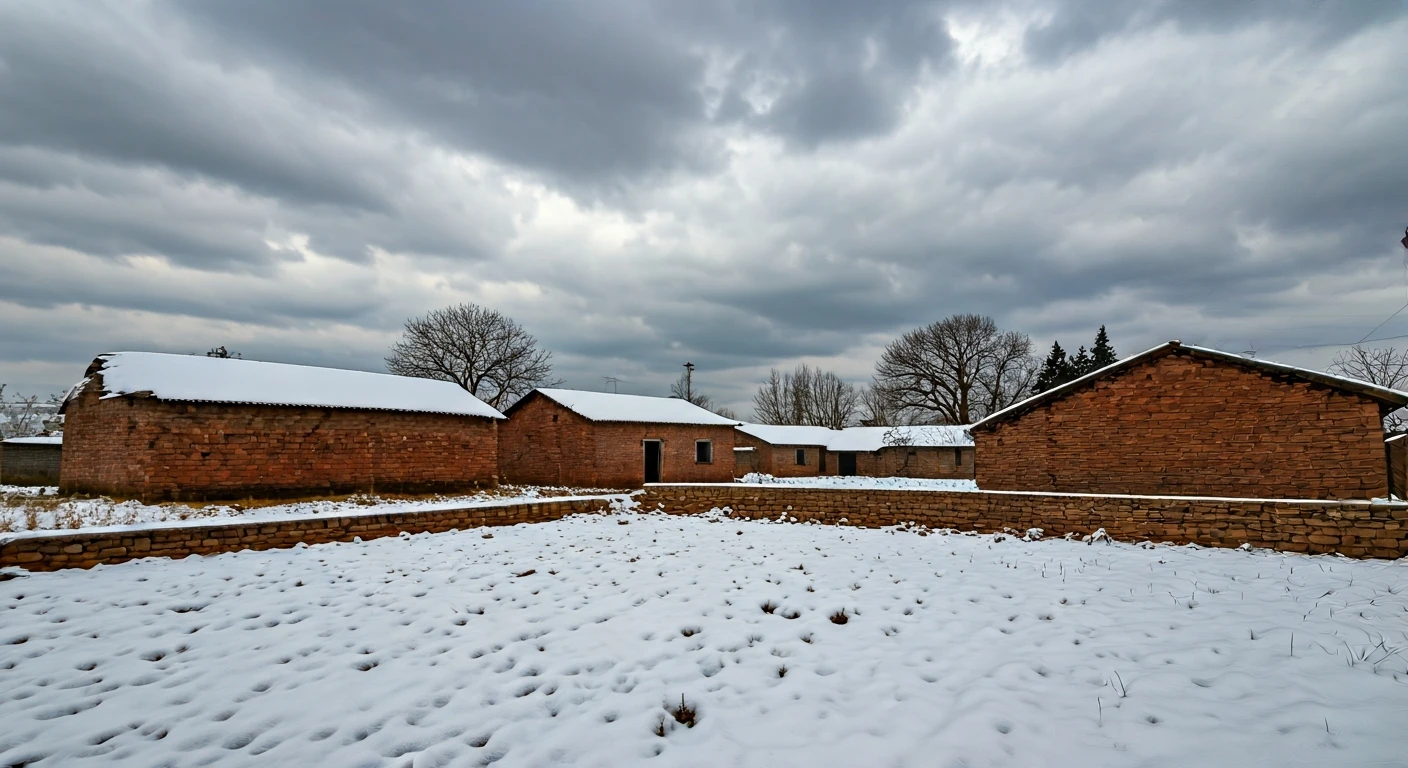
At the dawn of 2026, a severe cold wave tightened its hold across various Indian states. The impact of the frigid conditions was widespread, affecting
daily routines and causing concern among the population. The intensity varied from region to region, but the overall effect was a noticeable drop in temperatures, leading to significant challenges for those living in the affected areas. People were forced to adapt to the unusually cold weather. Infrastructure had to be prepared for the impact. Schools and businesses had to consider whether to open or close to protect the welfare of people.
Geographical Impact Zones
The cold wave's influence wasn't uniform; instead, it concentrated on specific regions, amplifying the severity of the conditions in certain locales. Multiple states reported unusually low temperatures, with some experiencing record plunges. The northern parts of India faced the brunt of the weather, with states like Punjab, Haryana, and Uttar Pradesh experiencing the most significant effects. The freezing conditions disrupted normal life. Authorities had to issue warnings and advisories to protect residents from the dangers of the cold, which included frostbite and hypothermia. Transportation systems also faced obstacles due to fog, causing delays and cancellations. The cold's impact thus extended across many areas.
Community Responses & Adjustments
In response to the extreme cold, communities and local authorities initiated several actions. Shelters were opened to provide safe havens for those without adequate housing, while relief efforts distributed warm clothing and blankets to vulnerable populations. Health officials also issued advisories, emphasizing precautions against cold-related illnesses. People adjusted their daily activities, changing their clothing choices, reducing outdoor activities, and adopting precautionary measures to safeguard themselves. There were also adjustments in the education sector, as some schools and educational institutions considered the potential closure of establishments to mitigate the risks associated with the cold wave. The shared effort aimed at lessening the hardship brought on by the abrupt weather change.
Anticipating Future Challenges
The onset of the 2026 cold wave reminded communities of the need for preparedness and effective response mechanisms in the face of extreme weather events. There was a renewed focus on understanding climate patterns and developing strategies to minimize the damage of such events. This included better infrastructure to withstand extreme cold, more advanced early warning systems, and improved coordination among government agencies and community organizations. The experience also emphasized the importance of resilience, with people becoming increasingly aware of the need to adapt and respond effectively to the changing climate conditions. Lessons learned during the cold wave would shape future planning and readiness strategies.