


Unripe Bananas: Hunger Control Champion
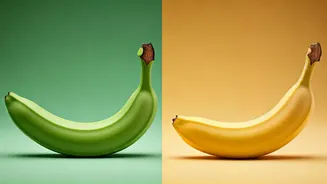
Unripe bananas, often appearing green, are a powerhouse for weight management due to their high content of resistant starch. This type of carbohydrate
functions similarly to fiber, resisting digestion in the small intestine and traveling to the large intestine where it's fermented by beneficial gut bacteria. This process not only promotes a feeling of fullness for longer periods, effectively curbing appetite, but also helps to stabilize blood sugar levels. By preventing sharp spikes and subsequent crashes, resistant starch can reduce cravings for sugary snacks and processed foods, a common pitfall for those on a weight loss plan. Furthermore, its slower digestion contributes to a lower glycemic index compared to ripe bananas, making it a more stable energy source. Incorporating unripe bananas can therefore be a strategic move to manage calorie intake and maintain a consistent energy flow throughout the day, aiding in long-term weight management strategies without compromising nutrient intake.
Ripe Bananas: Sweetness & Energy
As bananas ripen, their starch content converts into natural sugars like fructose, glucose, and sucrose, leading to their characteristic sweetness and softer texture. While this makes them more palatable and easier to digest, it also means they have a higher glycemic index than their unripe counterparts. This can lead to quicker increases in blood sugar levels, potentially triggering insulin release and prompting the body to store more fat if not managed properly. However, ripe bananas are still a nutritious fruit, offering essential vitamins, minerals, and a good source of potassium. For individuals managing their weight, the key lies in moderation and timing. Consuming ripe bananas in smaller portions, perhaps post-workout when the body can utilize the sugars for energy replenishment, or as part of a balanced meal, can still be beneficial without derailing weight loss goals. Their natural sweetness can also satisfy cravings for sugary treats in a healthier way.
Strategic Inclusion In Diet
Integrating bananas into your weight loss diet requires a thoughtful approach, focusing on how and when you consume them to maximize benefits. Unripe bananas can be a fantastic addition to smoothies, acting as a thickener and providing sustained satiety. They can also be cooked or mashed into savory dishes, offering a subtle sweetness and texture without the sugar rush. For ripe bananas, consider them a treat to be enjoyed mindfully. They can be sliced and added to oatmeal or yogurt for a touch of natural sweetness, or blended into healthier dessert alternatives. The crucial aspect is portion control; even a healthy fruit can contribute to excess calorie intake if consumed in large quantities. Understanding your body's response to different food types is also vital. Some individuals may find that even ripe bananas cause digestive discomfort or energy fluctuations, while others tolerate them well. Experimenting with different preparations and monitoring your hunger levels and energy throughout the day will help you discover the optimal way to incorporate bananas into your personal weight management plan.
Timing For Best Results
The timing of your banana consumption can significantly influence its impact on your weight loss journey. For those aiming to curb hunger and manage appetite throughout the day, consuming an unripe banana earlier in the day, such as with breakfast or as a mid-morning snack, can be highly effective. The resistant starch content will promote prolonged feelings of fullness, reducing the likelihood of overeating later. Conversely, ripe bananas might be better suited for post-exercise recovery. After a workout, your body is primed to replenish glycogen stores, and the readily available sugars in a ripe banana can facilitate this process efficiently. It's generally advisable to avoid consuming bananas, especially ripe ones, late at night, as the sugars could be more readily converted to fat if energy expenditure is low. Ultimately, the 'best' time depends on your individual metabolism, activity levels, and dietary goals. Listening to your body and observing how different timings affect your hunger and energy is key.