



The Visceral Fat Threat
Visceral fat, often lurking unseen around internal organs, poses a significant health risk by triggering inflammation and disrupting insulin function.
Unlike subcutaneous fat, it's not outwardly visible and can affect individuals of any weight. Dr. Vassily Eliopoulos, a longevity expert, emphasizes that this deep abdominal fat actively releases inflammatory signals constantly, impacting metabolic health hourly. Fortunately, visceral fat is highly responsive to targeted nutritional interventions. Foods that effectively combat it work by enhancing insulin sensitivity, diminishing systemic inflammation, and interfering with cellular fat storage processes, making dietary choices paramount in managing this health hazard.
Fatty Fish Power
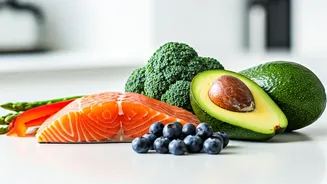
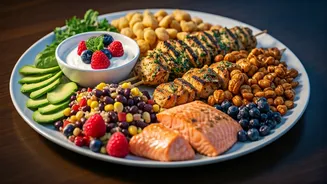
Incorporating fatty fish into your weekly meals is a direct strategy to combat visceral fat. Varieties like salmon, mackerel, and sardines are abundant in omega-3 fatty acids, specifically EPA and DHA. These essential fats are potent anti-inflammatories, actively suppressing inflammatory pathways throughout the body. Furthermore, they play a crucial role in improving insulin sensitivity, ensuring that glucose is efficiently utilized by muscles for energy rather than being stored as fat. Dr. Vass recommends consuming these fish two to three times per week. As an alternative or supplement, a daily intake of two to three grams of EPA/DHA through a high-quality supplement can also yield significant benefits for visceral fat reduction and overall metabolic health.
Walnut's Fat-Fighting Properties
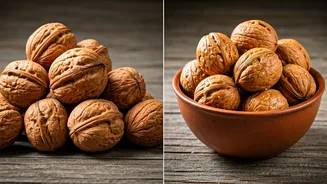
Walnuts offer a unique nutritional profile that specifically targets visceral fat. They are a rich source of polyphenols and alpha-linolenic acid. Dr. Vass explains that the body's metabolism of walnut polyphenols creates compounds that directly inhibit the formation of new fat cells. To harness these benefits, a daily consumption of approximately 28 grams of walnuts is advised. These can be enjoyed as part of breakfast, as a snack, or sprinkled on salads. It's important to note that substituting walnuts with other nuts may not provide the same effect, as the specific polyphenol composition of walnuts is key to their visceral fat-reducing capabilities, making them an irreplaceable component of this targeted diet.
Berry's Antioxidant Punch
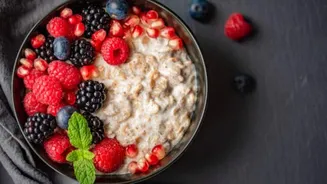
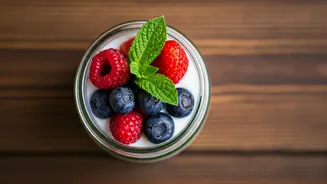
Berries are powerhouses of antioxidants, particularly anthocyanins, which offer significant advantages in the fight against visceral fat. These vibrant compounds are instrumental in activating genes responsible for burning fat while simultaneously suppressing those involved in fat production and inflammation. Moreover, berries possess a low glycemic index, meaning they lead to slower glucose absorption and consequently minimize insulin spikes. Dr. Vass suggests a daily intake of 100 to 150 grams of berries, which can include blueberries, strawberries, or blackberries. Frozen varieties are equally effective, providing a convenient and consistent way to incorporate these beneficial fruits into your diet for metabolic support.
Olive Oil's Health Halo
Extra virgin olive oil is a celebrated champion of health, and its benefits extend directly to targeting visceral fat. It is exceptionally rich in beneficial compounds like oleocanthal and oleic acid. Dr. Vass highlights that oleocanthal actively inhibits inflammatory enzymes, and daily consumption can lead to therapeutic anti-inflammatory effects. Simultaneously, oleic acid works to improve cellular insulin sensitivity, a critical factor in managing fat storage and utilization. The recommended daily intake is two to four tablespoons. Dr. Vass strongly advises replacing less healthy seed oils, such as canola and vegetable oils, with extra virgin olive oil to maximize its positive impacts and avoid negating its health advantages.
Green Tea's Fat Oxidation
Green tea is packed with a potent antioxidant called EGCG (epigallocatechin gallate), which plays a significant role in visceral fat reduction. EGCG is known to activate pathways that promote fat oxidation, essentially encouraging the body to burn stored fat for energy. It also contributes to improved insulin sensitivity, further aiding metabolic health. Dr. Vass recommends consuming three to four cups of green tea daily, brewed at home for optimal benefits. For the best results, he suggests pairing regular green tea consumption with consistent strength training, creating a synergistic effect that enhances fat burning and overall body composition.