



The Slow Burn
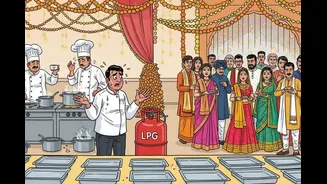
In the heart of Mumbai's culinary scene, an LPG crisis is forcing kitchens to adapt dramatically. Ram Prasad Sharma, head chef at the 66-year-old Great
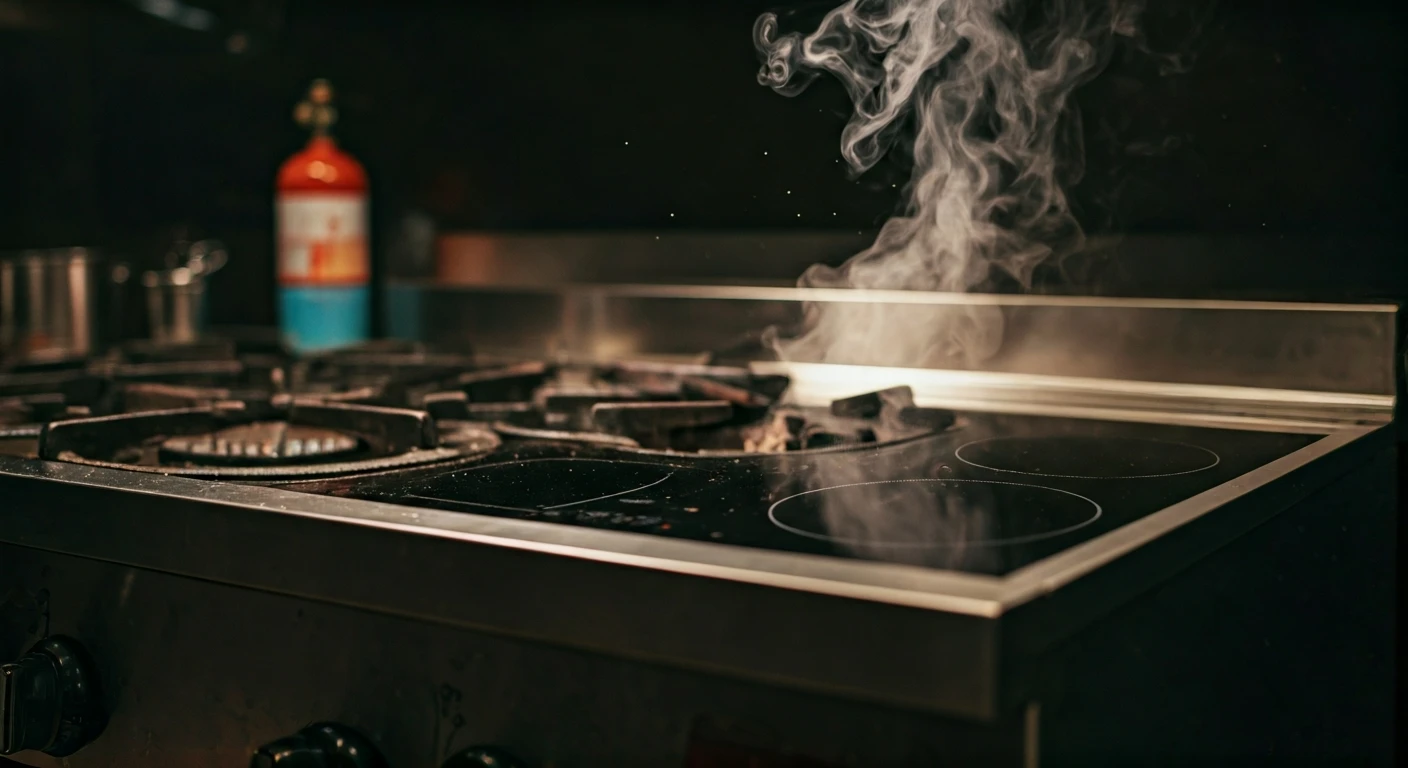
Punjab restaurant, exemplifies this struggle. Once a master of swift, high-heat cooking on gas, he now finds himself relying on electric coil stoves, an appliance that significantly lengthens preparation times. What used to take a mere 20-25 minutes for a chana gravy now stretches to over 45 minutes, with the coil requiring time to heat up before any cooking can begin. Assembling dishes like vegetarian biryani and dal tadka, previously a rapid 10 and 5 minutes respectively due to gas's high flame, now takes considerably longer. Sharma notes that creating the restaurant's four core gravies, a task that normally takes him two hours, now demands half an hour for just one on a 4.5-kilowatt stove. While electric stoves might reduce ambient kitchen heat, Sharma anticipates an increase in overall temperature when all gas burners are eventually replaced, despite a potential decrease in smoke.
Scramble for Alternatives
The operational upheaval extends beyond the cooking itself, impacting kitchen infrastructure and procurement. Dhruveer Gandhi, the third-generation steward of Great Punjab, has embarked on a costly and frantic mission to equip his kitchen with electric appliances. He has already invested over Rs 25,000 in purchasing multiple electric stoves of varying wattages (one 4.5-kilowatt, two 3.5-kilowatt, and two 2.5-kilowatt units), along with the necessary electrical rewiring and installation of an AC distribution board. This investment is a direct response to a government circular mandating LPG for domestic use, a directive that blindsided many businesses. Gandhi's frustration is palpable as he recounts the difficulty in sourcing these appliances, with vendors in Pune reporting the last available units being snapped up. The urgency stems from a lack of foresight, as his general manager did not act swiftly enough on acquiring the electric alternatives when initially advised. This race against time highlights the precariousness of relying on single-fuel sources in a dynamic market.
Patchwork Kitchens Emerge
Across the city, at Hotel Sadanand in Crawford Market, a similar narrative of crisis and adaptation unfolds. Abhishek Shetty, who took over the popular South Indian eatery less than three years ago, faced an immediate crisis when his usual supply of seven LPG cylinders was cut to a mere two. Fortunately, Shetty also operates a business supplying electrical equipment, giving him a slight advantage. He and his manager swiftly devised a menu plan leveraging his existing stock of electric appliances. The kitchen now presents a mosaic of cooking technologies: a large hot plate for dosas, a smaller one for chapatis and pav, an electric idli steamer, and a deep fryer for items like puris and vadas. This transformation is visible, with appliances like the deep fryer, usually found in fast-food establishments, now a staple. Even tea is brewed on a glass-top induction stove. The entire operational flow has been reconfigured, with staff now arriving late at night for advance preparation due to smaller batch sizes necessitated by the new equipment.
The Speed Constraint
Despite the ingenuity in adapting to electric cooking, the most significant hurdle remains the drastic reduction in speed. Chintu Das, a veteran chef at Hotel Sadanand, notes that while he quickly grew comfortable with the new thermostats on the hot plates, which mimic gas flame adjustments, the fundamental limitation is capacity. He can now only make one, or at most two, dosas simultaneously, a stark contrast to previous capabilities. The new electric idli steamer produces a mere 27 idlis per batch, significantly less than the old steamer's capacity of 48. Consequently, menu items like Mysore dosa and uttapam have been temporarily removed as they are too time-consuming to prepare with the current equipment. This compromise highlights the direct impact of the LPG crisis on the variety and efficiency of restaurant offerings, forcing chefs to make difficult choices about what they can realistically serve.
Wider Industry Impact
The struggles faced by Great Punjab and Hotel Sadanand are not isolated incidents; they represent a widespread predicament gripping Mumbai's restaurant sector. Eateries of all sizes are confronting the reality of menu cuts, the installation of induction stoves, and, in some cases, temporary closures. Restaurateur Gauri Devidayal acknowledges this trend, mentioning plans to reduce dishes requiring high-flame wok cooking at her restaurants and shifting towards induction-compatible items. The financial strain is amplified by rapidly escalating prices for electric equipment. A supplier message shared by Suraj Gupta, founder of a Lonavala restaurant, illustrates this, showing a 3.5-kilowatt induction stove's price jumping from Rs 9,500 to Rs 12,000 within hours. Furthermore, restaurants are grappling with the limitations of their existing electrical infrastructure, with some having to temporarily shut down essential appliances like dishwashers and freezers to accommodate the new cooking equipment and avoid tripping circuit breakers.