




Early Whispers of Illness
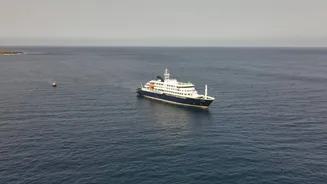
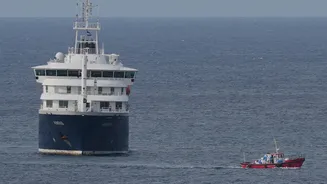
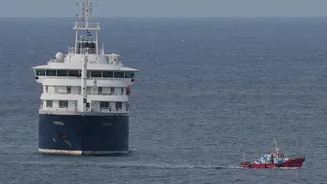
The harrowing ordeal aboard the MV Hondius began in early April 2023, shortly after its departure from Ushuaia, Argentina, with 149 souls on board. Navigating
the isolated Atlantic, far from immediate medical aid, the ship became a stage for a rapidly evolving public health crisis. Health authorities later pinpointed April 6 as the likely start of the first reported illness. A Dutch passenger began experiencing subtle symptoms – a mild fever and fatigue – which initially seemed innocuous, not immediately suggesting the rare and dangerous Hantavirus. This gradual onset masked the severity of what was to come, highlighting the deceptive nature of the virus's early stages.
Fatal Escalation
Within days, the situation dramatically worsened. By April 11, the initial passenger's condition deteriorated sharply, culminating in sudden and severe respiratory distress, leading to his death. This marked the first fatality on the vessel, with the cause initially unknown, adding to the growing unease among the crew and passengers. As the ship continued its journey, the virus began to spread, with the deceased's wife and other individuals on board exhibiting similar symptoms. These symptoms, often starting mild, would suddenly turn life-threatening, causing significant worry for the ship's medical staff between April 6 and April 28, as more cases emerged.
Emergency Evacuations
By late April, the escalating health crisis necessitated urgent action, leading to evacuations at remote stops like Saint Helena and Ascension Island. Passengers in critical condition were airlifted for immediate medical attention. Among them, a British passenger was flown to South Africa and admitted directly into intensive care, underscoring the severity of the outbreak. The ship’s journey transformed from a voyage of exploration to a desperate race against time, as the invisible threat of Hantavirus continued to loom over those on board.
Widening Crisis
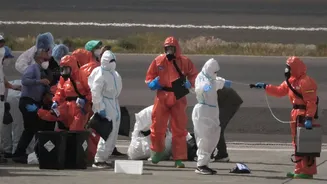
The tragic events continued into May, with another passenger, this time from Germany, succumbing to the illness on May 2. By this point, a significant number of passengers were showing symptoms, indicating a widespread outbreak. The World Health Organization (WHO) became involved, confirming seven cases and three deaths by May 5. The international nature of the passenger list, spanning over 20 countries, complicated matters further, leading Cape Verde to deny the ship permission to dock due to the ongoing mysterious illness. Passengers were confined to their cabins while medical teams worked offshore, conducting tests and evacuating the sick.