
Anti-Inflammatory Breakfasts
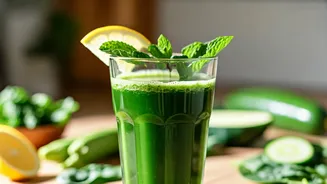
Kickstarting your day with an anti-inflammatory breakfast can set the tone for reduced muscle pain. One excellent option is a Turmeric and Ginger Smoothie.
Simply blend together a cup of almond milk, a banana, a teaspoon of turmeric, half a teaspoon of ginger, and a handful of spinach. Another delightful choice is Oatmeal with Berries and Nuts. Prepare oatmeal using water or milk, and then top it with a mix of fresh berries like blueberries and strawberries, along with a sprinkle of walnuts or almonds. These ingredients are packed with antioxidants and compounds known to combat inflammation. Incorporating these into your morning routine can make a noticeable difference. Another great option is a spinach and egg scramble which can be customized with other anti-inflammatory ingredients like bell peppers.
Lunchtime Muscle Relief
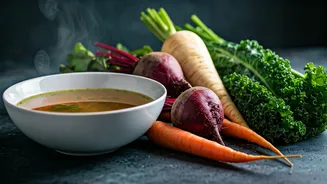
Lunch presents another opportunity to incorporate muscle-soothing recipes into your diet. A hearty Chicken and Vegetable Soup can be particularly beneficial. Prepare a broth-based soup with chicken breast, carrots, celery, and onions. Adding spices like garlic and black pepper enhances both the flavor and anti-inflammatory properties. For a lighter option, consider a Quinoa Salad with Roasted Vegetables. Roast a mix of vegetables such as sweet potatoes, broccoli, and bell peppers. Combine them with cooked quinoa and a light vinaigrette dressing. Quinoa provides protein, and the vegetables contribute vital nutrients. A Tuna Salad Sandwich on whole-grain bread is another good choice, but make sure to include celery and a little bit of olive oil. These lunch choices will provide sustained energy and support muscle recovery.
Dinner Delights for Muscles
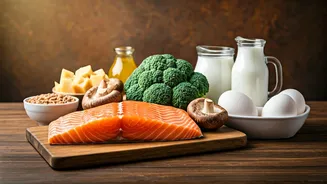
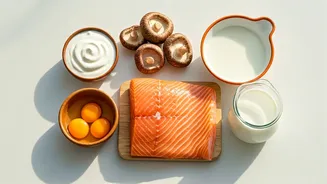
Dinner is the perfect time to wind down and enjoy a meal designed for muscle recovery. Baked Salmon with Asparagus is a fantastic option. Salmon is rich in omega-3 fatty acids, known for their anti-inflammatory effects. Pair it with asparagus, which is packed with vitamins and minerals. Another excellent choice is a Lentil Curry. Lentils are a good source of protein and fiber. Prepare a curry with lentils, coconut milk, and spices like cumin and coriander. Serve it with brown rice for a complete meal. These recipes offer both flavor and essential nutrients that support the body's natural healing processes and reduce inflammation overnight. They also offer a good range of different textures, so you do not get bored of your dinner.
Snack-Time Soothers
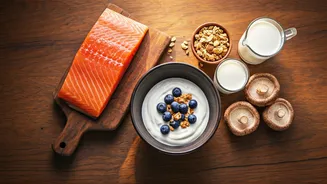
Snacks play a significant role in managing muscle pain by providing a steady supply of nutrients. A handful of almonds is an easy and effective snack option. Almonds are rich in magnesium, which can help relax muscles. Greek Yogurt with Honey and Berries is another good choice. Yogurt provides protein, and honey and berries offer antioxidants and natural sweetness. You can also prepare an Avocado Toast on whole-grain bread. Avocados are full of healthy fats and nutrients. These snacks are quick to prepare and can be consumed between meals to provide continuous support and prevent muscle pain from flaring up, so keeping your energy up during the day.
Hydration and Muscle Health
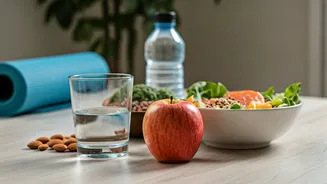
Proper hydration is crucial for overall muscle health and can significantly reduce pain. Drink at least eight glasses of water a day to stay well-hydrated. Herbal teas, especially those with anti-inflammatory properties like chamomile or ginger tea, can be beneficial. Add coconut water to your hydration routine. Coconut water is naturally rich in electrolytes, which help maintain fluid balance and reduce muscle cramps. When you are adequately hydrated, the body functions at its best. Dehydration can exacerbate muscle pain and hinder the body's ability to recover. So, keep a bottle of water close throughout the day and make it a habit to sip water constantly, it could prevent your pain from returning, so that you are well.
Spice Up Your Meals
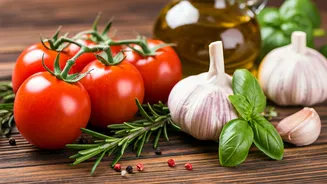
Spices can play a powerful role in reducing muscle pain through their anti-inflammatory properties. Turmeric is one of the most effective spices, thanks to its active compound, curcumin. Use turmeric in curries, smoothies, or sprinkle it on roasted vegetables. Ginger is another potent spice with anti-inflammatory benefits. Add ginger to teas, smoothies, or stir-fries. Other beneficial spices include cinnamon, which can help regulate blood sugar levels, and cayenne pepper, which contains capsaicin and can offer pain relief. Experiment with these spices in your cooking to find flavors you enjoy. Incorporating these spices is an easy way to enhance the effectiveness of your recipes and can make food more palatable.
Fruits for Pain Relief
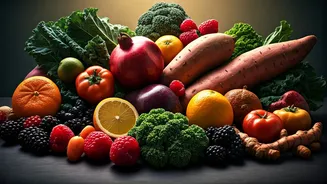
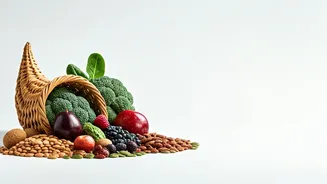
Several fruits can help reduce muscle pain due to their antioxidant and anti-inflammatory properties. Berries are packed with antioxidants, which can help reduce inflammation and protect muscles from damage. Incorporate blueberries, strawberries, and raspberries into your diet. Cherries are another great option, known for their ability to reduce muscle soreness after exercise. Bananas are a good source of potassium, which helps prevent muscle cramps. Consider adding bananas to smoothies or eating them as a snack. Adding fruits to your daily meals and snacks is an easy way to promote muscle recovery and reduce pain naturally, so you do not have to rely on medicine.
Healthy Fats for Muscles
Healthy fats are essential for reducing inflammation and supporting muscle recovery. Include foods rich in omega-3 fatty acids in your diet. Fatty fish like salmon and tuna are excellent sources of omega-3s. Avocados are another great source of healthy fats. Add avocado to salads, sandwiches, or smoothies. Olive oil is a versatile option for cooking and salad dressings. When cooking with olive oil, make sure to not make the heat too high. Eating a diet rich in healthy fats can improve the overall health of your muscles and reduce pain. These fats help to protect your cells, lower inflammation, and provide energy for your muscles to function efficiently. So, add these fats, and see if your pains disappear.
Protein Power for Recovery
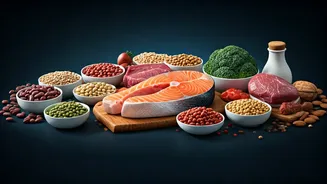
Protein is vital for muscle repair and recovery, so make sure to get enough protein. Lean protein sources should be included in your diet. Chicken breast and turkey are excellent options, providing a good source of protein with little fat. Eggs are a versatile and easy-to-prepare source of protein. Include them in breakfasts, lunches, or dinners. Legumes like lentils and beans are also great sources of protein and fiber. Incorporate them into soups, stews, or salads. Consuming adequate protein after exercise helps muscles rebuild and recover. Aim to include protein in every meal to support muscle health, and aid in quick recovery.
Mindful Eating Habits
Mindful eating habits can also play a role in managing muscle pain by reducing inflammation and stress levels. Focus on eating slowly and savoring each bite. Paying attention to hunger and fullness cues can prevent overeating and reduce strain on your body. Avoid eating while distracted, such as in front of the television or computer, so you can control and digest your food better. Create a calm and relaxed environment for your meals to reduce stress. Combine these practices with your anti-inflammatory diet to maximize the benefits. Mindful eating is not just about what you eat, but also how you eat, impacting your overall well-being and reducing muscle pain.