




Circulation and Hair Follicles
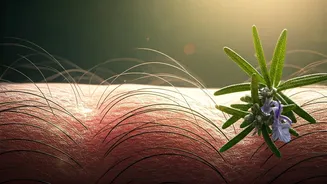
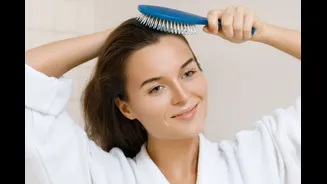
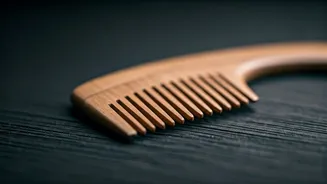
The popular Japanese scalp massage, often performed with a wooden comb before sleep, taps into a fundamental principle of hair health: improved blood flow.
When you gently massage your scalp, you stimulate the tiny blood vessels that feed your hair follicles. This enhanced circulation delivers essential oxygen and nutrients directly to where they're needed, fostering a healthier environment for hair growth. While this increased nutrient supply can contribute to stronger hair and potentially slow down the process of pigment cells declining (which leads to greying), it's crucial to understand that greying is a complex issue. Factors like genetics, natural aging, and overall lifestyle choices play a far more significant role than circulation alone. Therefore, while the massage is beneficial, it's not a magic bullet to prevent all grey hairs from appearing.
Beyond Massage: Stress Relief
Many people are drawn to the Japanese scalp ritual because they believe it holds a mystical power over hair issues like premature greying. However, the effectiveness often stems from a combination of biological responses and lifestyle adjustments. A soft scalp massage, particularly one done mindfully before bed, does more than just stimulate blood flow; it also acts as a powerful stress reliever. In our fast-paced lives, chronic stress is a known culprit that can accelerate hair loss and the onset of grey hair. By incorporating this ritual, individuals may experience a reduction in their stress levels, leading to a more relaxed state. This calming effect, coupled with the nourishment provided to the scalp, can result in noticeable improvements in hair quality and appearance, not due to supernatural properties, but due to the tangible benefits of reduced stress and improved scalp health.
Who Should Try It?
For most individuals, incorporating a gentle scalp massage with a wooden comb or even just their fingertips into their routine is entirely harmless and potentially beneficial. The key is to proceed with care and gentleness, dedicating just a minute or two to the practice. However, it's essential for those with pre-existing scalp conditions to exercise caution. Individuals suffering from ailments like eczema, psoriasis, or any active scalp infections should consult with a dermatologist before attempting this or any new scalp treatment. A medical professional can provide personalized advice and ensure that the practice won't exacerbate their condition, guiding them on the safest way to potentially integrate it into their self-care regimen.
Realistic Expectations
It's vital to approach the wooden comb scalp ritual with realistic expectations, understanding that it is not a miraculous cure for hair problems. While scalp massage and combing can be a pleasant and beneficial addition to a regular hair care regimen, the primary driver of grey hair remains predominantly genetic predisposition. For maintaining overall hair health, a balanced diet rich in essential nutrients, achieving adequate and restful sleep, and effectively managing stress are far more critical than any single topical treatment. For individuals who are already experiencing greying, evidence-based solutions such as hair dyes or specific medical treatments are the only scientifically proven methods for altering hair color.
Wellness Over Cure
Ultimately, the Japanese wooden comb scalp ritual is best viewed as a valuable wellness practice rather than a definitive cure for hair issues. It offers an affordable and accessible way to incorporate self-care into your daily life. The act of massaging your scalp can lead to a sense of relaxation, potentially improve sleep quality, and enhance the overall texture of your hair. If you find enjoyment in establishing calming bedtime routines, this ritual can be a soothing component. Consider it an act of self-love and rejuvenation that contributes to your mental and physical well-being, rather than a guaranteed fix for concerns like premature greying or hair loss.