
Market Reactions Summarized
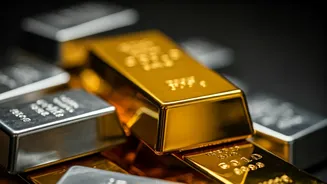
The recent gains in precious metals are noteworthy for investors and observers. Gold prices saw a rise of Rs 2,000, which is a considerable shift in the
market. Simultaneously, silver demonstrated an even stronger performance, with a rally of Rs 10,000. These changes reflect a period of heightened market activity. Understanding the drivers behind these price movements is key to grasping the current economic landscape and investment opportunities.
Economic Factors Analyzed
Several economic factors often influence the prices of gold and silver. Inflation is a significant driver, as precious metals are often seen as a hedge against rising prices, leading to increased demand. Currency fluctuations can also play a role; a weaker rupee can make gold and silver more expensive for Indian buyers. Global economic uncertainty, such as geopolitical tensions or concerns about economic growth, also tends to push investors towards these safe-haven assets. These factors collectively create an environment where precious metals become more attractive, thus affecting their market prices.
Global Market Influences
The global market context plays a substantial role in determining precious metal prices within India. International events, such as decisions by the US Federal Reserve regarding interest rates, can affect the dollar's value, consequently impacting gold and silver. Economic trends in major economies like China and the US, which are significant consumers of these metals, influence demand dynamics. The overall sentiment in global financial markets, including investor confidence levels, contributes to how these assets are viewed and traded, affecting their price performance in various regions including India.
India's Local Impact
In India, local factors also have a significant impact. The demand for gold and silver, particularly during the wedding season and festive periods, can push prices upwards due to increased purchasing. Government policies, such as changes in import duties on precious metals, can also affect the final prices for consumers. Moreover, the economic outlook within India, including factors like GDP growth, inflation rates, and consumer spending habits, creates the overall environment where these metals are traded. These local influences, combined with international market dynamics, create a complex ecosystem that drives the price of precious metals in India.
Investment Strategies Discussed
Investors use a variety of strategies when dealing with gold and silver. These can include buying physical gold or silver in the form of coins or bars, or investing in Exchange-Traded Funds (ETFs) that track the price of these metals. Some investors use gold and silver as a component of a diversified portfolio, while others actively trade these metals on the futures market to profit from short-term price movements. Analyzing market trends, understanding economic indicators, and keeping informed about global and local developments are all necessary components of any successful strategy. The right approach depends on individual risk tolerance, investment goals, and market knowledge.
Future Market Outlook
Predicting the future for gold and silver prices involves analyzing the current trends and projecting likely developments. Financial analysts often look at economic indicators like inflation rates, currency values, and global economic growth to forecast future prices. The market sentiment, influenced by both global and local events, is also a critical consideration. The potential for further increases or decreases in prices depends on a variety of factors, including continued economic uncertainties, changes in consumer demand, and government policies. Staying informed on these factors enables investors to make informed decisions.