





Appreciating the Effort
Children often focus solely on the tangible outcome of receiving something – a toy, a meal, or clean clothes – without considering the energy and thought
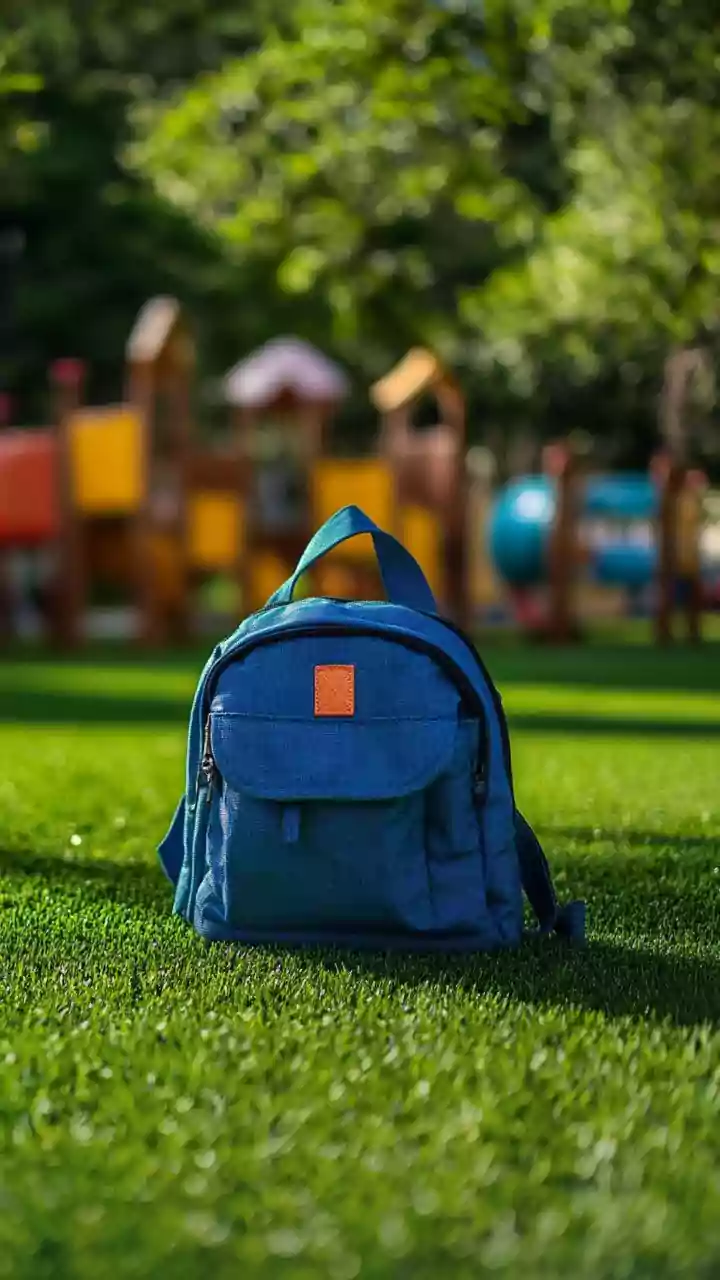
invested by others. Parents can actively guide their children to recognize the behind-the-scenes efforts, such as the person who prepared the meal, packed their school bag, or organized an activity. By highlighting these contributions, you help shift your child's focus from mere possessions to the people and actions behind them. This realization cultivates empathy and a deeper appreciation for the work involved, fostering gratitude for gestures rather than just gifts. This understanding can naturally lead to children spontaneously expressing thanks because they grasp the value of the effort expended on their behalf, transforming a simple transaction into an acknowledgement of care and diligence.
Expressing Thanks Through Actions
Gratitude isn't exclusively verbal; it can be powerfully conveyed through tangible actions. Encourage your children to demonstrate their thankfulness by reciprocating kindness, such as helping someone who previously assisted them, creating a 'thank you' artwork for a relative, or engaging in acts of sharing. These actions teach children that appreciation involves a reciprocal exchange of goodwill and reinforces that gratitude is a dynamic relationship, not a one-time event. By expressing gratitude in diverse ways, children also develop crucial skills in emotional expression and understand that kindness is meant to be paid forward. When these actions become a consistent part of their behavior, gratitude transforms from a situational reaction into an enduring character trait, woven into the fabric of their personality.
Daily Reflection on Positives
Cultivating a habit of daily reflection on the positive aspects of life is a cornerstone of developing genuine gratitude in children. Simple family rituals, like taking turns sharing one good thing that happened during the day or something they particularly appreciated, can help children focus on abundance rather than scarcity. This practice acts as an antidote to feelings of entitlement and the constant pressure of comparison, anchoring them in their own blessings. Engaging in mindful reflection also helps children connect with their emotions and understand how these feelings intertwine with gratitude. Over time, this consistent focus encourages them to express thankfulness organically, without needing constant prompts. Research suggests this habit fosters optimism and resilience, shifting their perspective from 'what I lack' to 'what I possess.'
Modeling Gratitude Daily
Children are keen observers and learn invaluable life lessons by watching their parents. When parents consistently model gratitude through their own behavior – sincerely thanking others, acknowledging help received, and expressing appreciation for everyday occurrences – they provide a powerful, real-time example. Using phrases like 'I'm grateful for your assistance' or 'That was very thoughtful of you' demonstrates how to articulate thanks effectively. Parents can also extend this modeling to appreciate fundamental aspects of life, such as good health, cherished family time, and the beauty of nature. Witnessing gratitude in action at home allows children to internalize it not as a rule to be followed, but as a lens through which to view the world, naturally leading them to imitate these appreciative behaviors.
Connecting Gratitude to Empathy
True gratitude naturally blossoms into generosity and a sense of civic responsibility. By teaching children to share their possessions, assist others, and contribute to their community's needs, you create a powerful link between appreciation and action. It's important to help children understand that not everyone possesses the same advantages they do. When children realize their own opportunities stem from certain privileges, gratitude can transform into compassion. This perspective-taking allows them to appreciate what they have while simultaneously developing an awareness of and empathy for the needs of others. Ultimately, this integration of gratitude and empathy nurtures prosocial behavior, encouraging children to extend their thankfulness into meaningful acts of kindness and support.