







Echoes of the Prairie
The journey begins in De Smet, South Dakota, the very soil where Laura Ingalls Wilder set much of her 'Little House' series. The landscape itself seems
to whisper tales of frontier resilience and family life, mirroring the vivid accounts in her books. Preserved buildings managed by the Laura Ingalls Wilder Memorial Society allow visitors to step back in time, experiencing the stark realities and simple joys of pioneer existence. Standing within these structures, one can truly grasp the duality of Laura's experience: the weighty decisions of her parents shaping their survival against the backdrop of a child's everyday world, like the simple desire to not wear a bonnet. This connection to history, filtered through personal experience, is a powerful takeaway, resonating with the deeply human narratives that have captivated millions since 1932 and beyond, especially with the enduring legacy of the 1970s television adaptation.
A haven of Creativity
In Concord, Massachusetts, stands Orchard House, the hallowed ground where Louisa May Alcott penned the timeless 'Little Women.' This home, a testament to nurturing creativity, reveals how Alcott's family fostered individual expression among their daughters. Visitors can marvel at Louisa's desk, a piece crafted by her father, Bronson, at a time when female authorship was not widely encouraged. The walls of the sisters' shared bedroom bear the artistic imprints of May Alcott, the inspiration for Amy, including a touching self-portrait proclaiming her identity as an 'artist.' Adjacent to the house lies the Hillside Chapel, a former lecture space for Bronson's Concord School of Philosophy, highlighting a family deeply invested in intellectual and artistic pursuits for all. The atmosphere at Orchard House is one of profound inspiration, embodying a commitment to education and the courage to forge unique creative paths.
Friendship's Enduring Chronicle
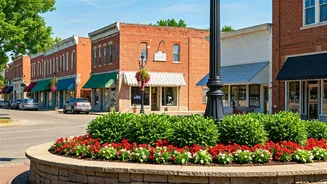
Mankato, Minnesota, is home to the preserved residences of Maud Hart Lovelace, author of the beloved 'Betsy-Tacy' series. Published between 1940 and 1955, these books beautifully capture the evolving friendship between Betsy, the author's alter ego, and Tacy, based on her real-life companion, Frances 'Bick' Kenney. The series is notable for its progressive reading levels, mirroring the characters' growth, allowing readers to mature alongside them. Lovelace and Kenney lived across the street from each other, and their childhood homes, maintained by the Betsy-Tacy Society, offer an intimate glimpse into their formative years. Witnessing children explore these houses, books in hand, evokes a sense of continuity. Imagining future generations writing about our present era from the vantage point of Lovelace's childhood kitchen offers a thought-provoking perspective on history and storytelling.