





Beyond Surface Cleanliness
Dandruff is a widespread scalp issue, often misunderstood as a simple consequence of inadequate washing or just a skin surface problem. However, dermatologists
and hair care specialists emphasize that while good hygiene is part of overall scalp well-being, dandruff's origins run deeper. It's not merely about how often you shampoo; the condition is fundamentally linked to imbalances within the scalp's ecosystem. Many individuals who maintain a regular hair-washing routine still find themselves battling persistent flakes and an irritating itch, indicating that the root cause lies beneath the surface. Understanding this distinction is the first step toward finding effective solutions that go beyond superficial symptom management and address the underlying scalp environment and microbial activity.
Scalp's Microbial Dance
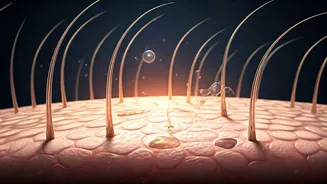
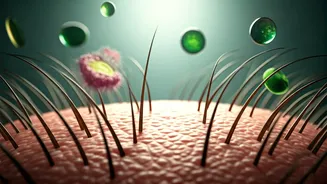
The primary culprit behind dandruff is often an overgrowth of a common yeast known as Malassezia globosa. This microorganism naturally resides on everyone's scalp without causing issues. However, certain factors can create an environment conducive to its rapid multiplication. These include increased sebum (scalp oil) production, excessive perspiration, environmental elements like humidity and pollution, heightened stress levels, and inconsistent hair washing schedules. As Malassezia consumes the scalp's natural oils, it metabolizes them into by-products that irritate the scalp's protective barrier. This irritation subsequently triggers inflammation and accelerates the rate at which skin cells regenerate and shed. Consequently, these cells clump together, forming the characteristic visible flakes associated with dandruff. This process highlights a complex interplay between the scalp's microbiome and its natural oil production, leading to discomfort and visible signs of distress.
Effective Ingredient Choices
A common misconception in managing dandruff is the belief that simply eliminating visible flakes is sufficient. Many opt for shampoos promising immediate flake reduction, often switching products frequently in search of a quick fix. While these can offer temporary relief, they may not address the underlying cause—the microbial imbalance. Without tackling the root trigger, dandruff often returns. This is why scrutinizing shampoo ingredients is paramount. Not all anti-dandruff agents work in the same manner. Some focus on exfoliating the scalp or slowing skin cell turnover, which can reduce flakes temporarily but fail to control the fungal overgrowth. An effective dandruff solution must address both the scalp's overall environment and the microbial imbalance. Ingredients specifically designed to target Malassezia offer a more comprehensive approach, tackling the problem at its source. For instance, Piroctone Olamine is a clinically validated antifungal compound that actively inhibits Malassezia's growth, restoring balance and reducing irritation for sustained scalp health.
Holistic Scalp Care Practices
Beyond selecting the right shampoo, adopting comprehensive scalp care habits is essential for maintaining a healthy, flake-free environment. Regular washing of the scalp, particularly after engaging in activities that cause significant sweating, is crucial for preventing the accumulation of excess oil and environmental contaminants. It's also important to ensure that hair accessories, such as helmets and headbands, are kept clean to avoid transferring irritants or fostering microbial growth. Minimizing prolonged periods where the scalp remains damp can also contribute to a healthier state. Furthermore, managing stress levels plays a significant role in overall well-being, including scalp health. By combining targeted treatments with these mindful practices, individuals can effectively manage dandruff and promote a balanced, comfortable, and healthy scalp over the long term.