



The Bump Factor Explained
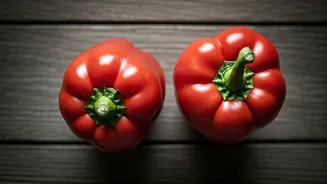
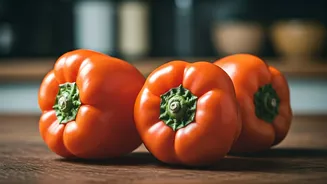
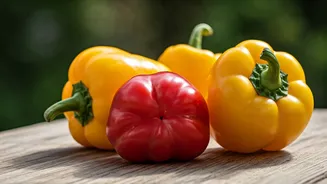
The seemingly simple observation that capsicums with four bumps are sweeter than those with three holds a kernel of culinary truth. While the number of lobes
isn't the sole determinant of sweetness, it often correlates with desirable traits. Four-lobed capsicums tend to develop thicker flesh and a higher concentration of natural sugars, influenced by factors like increased sunlight exposure during their growth cycle. This results in a milder, naturally sweeter flavour profile, making them an excellent choice for raw consumption in salads and other dishes where their inherent sweetness can shine. Conversely, capsicums with three lobes are typically firmer and possess a slightly more pronounced, sometimes bordering on bitter, flavour. Their denser structure lends itself well to culinary applications, as they maintain their integrity when subjected to heat during cooking processes like stir-frying, grilling, or sautéing, preventing them from becoming mushy.
Nutritional Insights by Lobe
From a nutritional standpoint, the number of bumps on a capsicum does not translate to a significant difference in its vitamin and antioxidant content. Reputable sources confirm that both three- and four-lobed varieties are excellent sources of essential nutrients, including vitamin C, potent antioxidants such as beta-carotene, and valuable dietary fibre. The critical factors influencing nutritional value are the capsicum's ripeness and its colour. Generally, red and yellow capsicums, regardless of their lobe count, tend to boast higher levels of antioxidants and a sweeter taste compared to their green counterparts. Therefore, while the bumps offer a useful guide for taste and texture, the core nutritional benefits remain consistent across different lobe configurations, provided the capsicum is mature and has developed its full colour.
Cooking's Sweet Transformation
The application of heat can dramatically alter the flavour profile of capsicums. During the cooking process, complex sugars within the vegetable undergo caramelisation, and the rigid cell walls begin to soften. This breakdown process not only diminishes any inherent bitterness but also accentuates the natural sweetness present. For capsicums that are already naturally sweet, like the four-lobed varieties, cooking deepens these sweet notes, bringing out rich, caramelised undertones. For the firmer, slightly more bitter three-lobed capsicums, heat acts as a mellowing agent, transforming their sharp flavours into a more palatable and integrated taste within cooked dishes. This ability of heat to transform flavour makes capsicums incredibly versatile in the kitchen.
Choosing Your Perfect Pepper
Beyond the intriguing 'bump' count, the colour of a capsicum serves as a reliable indicator for selection. Green capsicums represent an earlier stage of ripeness, often resulting in a slightly less sweet and subtly bitter flavour. As they mature, they transform into yellow, orange, and finally red, with each stage generally signifying increased sweetness and a richer nutrient profile. When selecting capsicums, look for a surface that is glossy and firm to the touch. This visual and tactile cue suggests freshness and indicates that the capsicum is likely packed with nutrients and has retained its optimal texture. By considering both the number of bumps and the colour, you can confidently pick the ideal capsicum for your culinary creations, whether it's a crisp salad or a flavourful, well-cooked meal.