



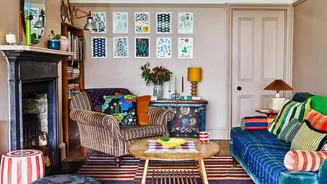
Foundation of Light
Begin by establishing a foundational layer of ambient lighting, which provides the overall illumination for a room. This is typically achieved through
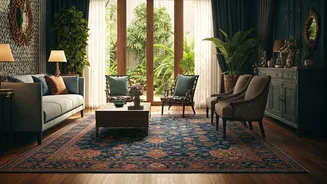
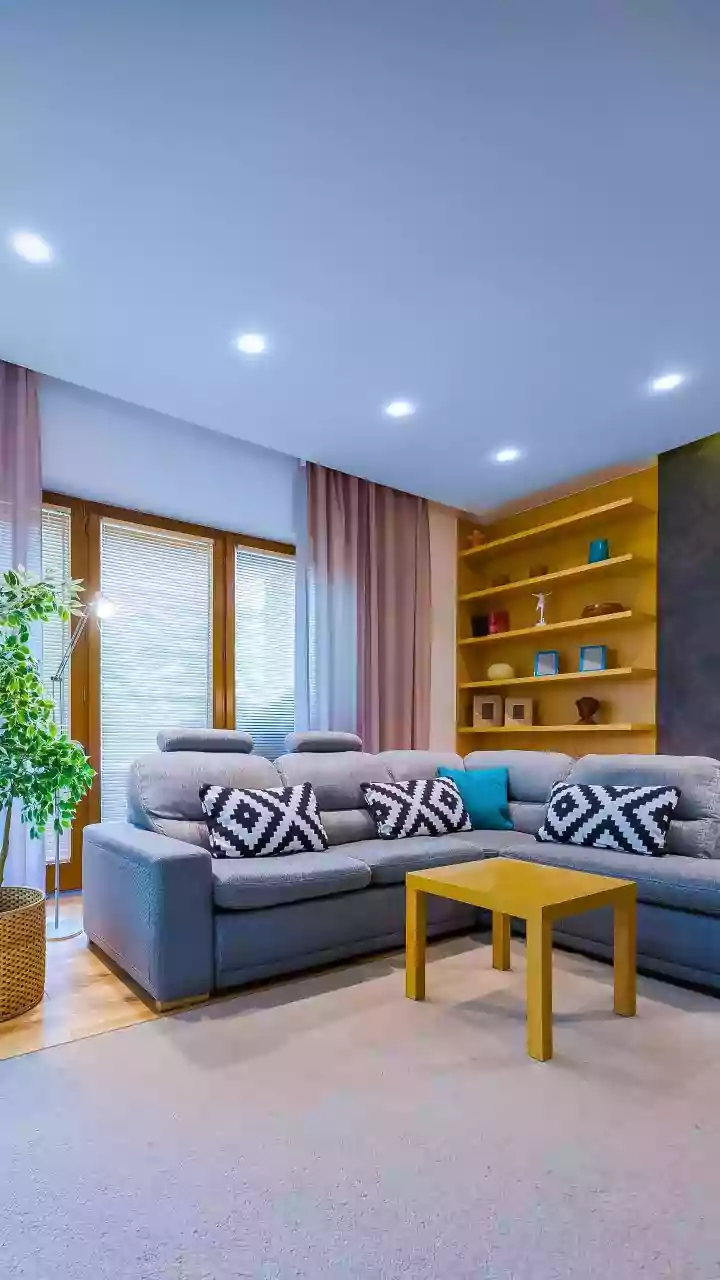
ceiling fixtures, recessed lights, or well-positioned floor lamps. For a truly cozy summer evening feel, opt for bulbs with a warm color temperature, generally around 2700K. Incorporating dimmer switches is highly recommended, as they grant you the flexibility to adjust the light's intensity, allowing you to soften the glow as the evening progresses and create a more relaxed atmosphere. This even spread of light ensures no dark corners and sets a serene mood for your living spaces.
Focused Illumination
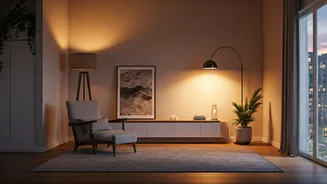
Next, integrate task lighting to cater to specific activities that require more concentrated illumination. This type of lighting is crucial for tasks like reading your favorite book, preparing meals in the kitchen, or engaging in detailed work. Practical applications include desk lamps, under-cabinet lighting that brightens kitchen countertops, or a dedicated reading lamp placed beside your preferred armchair. The objective is to provide sufficient brightness for the activity without creating harsh glare or disrupting the overall calm ambiance of the room. This ensures functionality without sacrificing comfort.
Adding Depth and Drama
To introduce visual interest and a sense of depth, employ accent lighting. This technique is used to draw attention to particular decorative elements, highlight textural surfaces, or emphasize architectural features within your home. Solutions such as strip lighting cleverly placed along shelves, wall-mounted fixtures that cast interesting shadows, or small, discrete lights like night lamps can create subtle yet impactful layers. These additions bring a dynamic variation to your decor and are particularly effective during evening hours when a softer, more sophisticated lighting scheme is desired, enhancing the room's character.
Enhancing with Efficiency
Prioritize energy-efficient lighting solutions, especially as lighting usage often increases during warmer months. Choosing LED bulbs is a smart and sustainable decision, as they consume significantly less power, boast a much longer lifespan, and deliver consistent performance over time. Furthermore, LED lighting typically requires minimal maintenance, making it a practical and cost-effective choice for everyday use. By opting for LEDs, you not only reduce your energy consumption and electricity bills but also contribute to a more sustainable lifestyle without compromising on the quality or ambiance of your home's lighting.
Balancing Light Tones
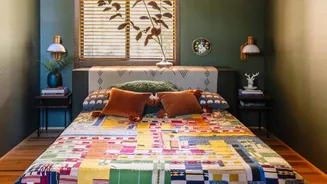
Consider the color temperature of your lights to significantly influence the mood of your space. For creating a relaxed and cozy atmosphere in areas like bedrooms and living rooms, Warm White lighting, typically ranging from 2700K to 3000K, is ideal. Conversely, for areas where clarity and focus are paramount, such as kitchens or home offices, Cool White or Natural White lighting, usually around 4000K to 6500K, is more suitable. This strategic selection of light tones ensures that each area of your home is illuminated appropriately for its intended use while contributing to an overall comfortable and visually balanced environment.