








Birth of Assam Tea
Assam's destiny as a tea haven wasn't predestined; initially, the region was not recognized for tea cultivation. However, the story changed dramatically
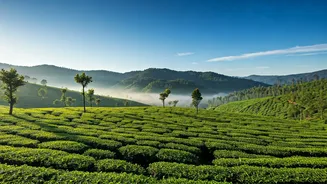
when the British stumbled upon wild tea plants in the 1820s. This discovery was a turning point, reshaping the economy and identity of Assam. The humid subtropical climate and nutrient-rich alluvial soil of the Brahmaputra Valley proved to be a perfect environment for these newly discovered plants. These conditions are what give Assam tea its distinctive characteristics, with abundant rainfall contributing to its bold, rich, and malty flavor. The establishment of large-scale tea plantations in the 1850s further cemented Assam's place in the tea industry, setting the stage for its global fame and establishing the foundation for its world-renowned tea production.
Challenging China's Monopoly
The British East India Company, aiming to break China's tea monopoly, initiated a strategic move in the early 1800s. They dispatched botanist Robert Fortune on a clandestine mission to China. Fortune’s mission was to acquire tea plants and skilled workers, intending to transplant them to British-controlled regions in India. Although the Chinese tea plants didn't thrive in Assam's humid conditions, the British had a fortunate discovery. They found wild tea plants flourishing, identified as Camellia sinensis var. assamica, which were perfectly suited for cultivation in the region. These native plants played a crucial role in establishing Assam’s tea industry, ultimately shaping the identity of Assam as the 'Chai Capital Of India.'
Assam’s Tea Legacy
Today, Assam is not just the 'Chai Capital Of India'; it's a place where the love for tea is deeply ingrained in the culture and history. The state produces over half of India’s entire tea output, showcasing its prominent role in the nation's tea industry. The landscape is dotted with over 800 tea estates, many of which have existed since the British colonial period. These estates are an integral part of Assam's heritage, contributing significantly to its economic and cultural landscape. The unique climate, especially the humid subtropical conditions and fertile soil of the Brahmaputra Valley, ensures that Assam tea maintains its bold, rich, and malty flavors, beloved worldwide.