





Understanding Early Puberty
Concerns are growing as girls are entering puberty at increasingly earlier ages. While biological factors contribute to girls reaching developmental milestones
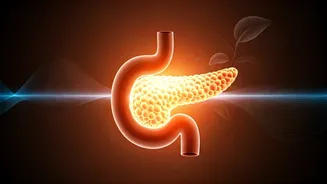
ahead of boys, a noticeable trend towards earlier onset has been observed by researchers. This early transition, scientifically termed precocious puberty, is associated with potential emotional difficulties, increased susceptibility to weight issues, and a heightened risk for certain long-term health conditions. This raises a critical question: can the food we consume play a significant role in moderating this biological process? The onset of puberty is triggered by intricate signals from the brain that direct the body to produce reproductive hormones. These signals are sensitive to various physiological cues, including body composition, particularly body fat levels, and the body's response to insulin, both of which are directly influenced by nutritional intake. Evidence suggests that diets heavily laden with sugary items, highly processed food products, and excessive overall caloric consumption may inadvertently accelerate these hormonal changes, pushing puberty forward.
The Power of Whole Foods
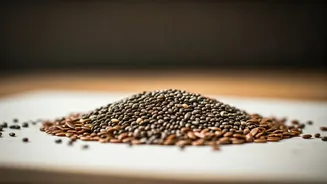
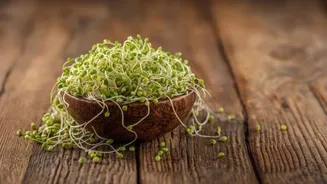
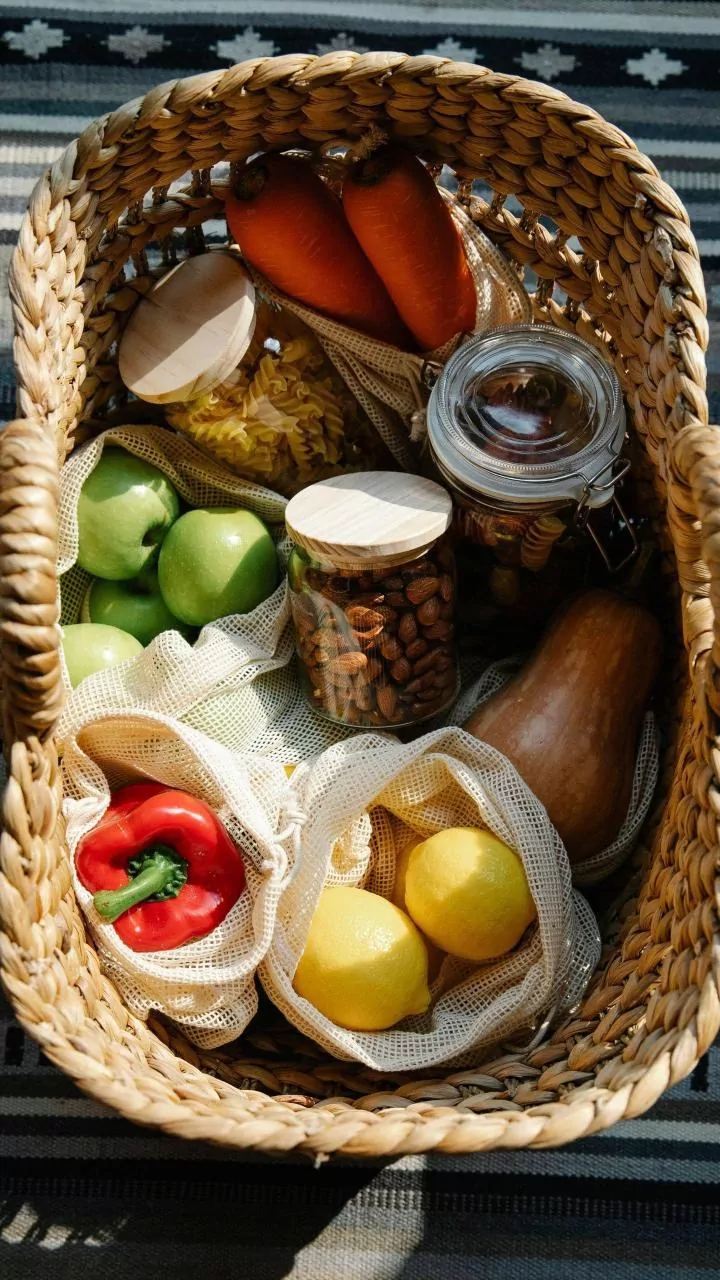
Embracing a diet centered around simple, unprocessed foods is key to supporting a girl's natural growth trajectory and maintaining hormonal equilibrium. Prioritize meals built upon staple whole grains such as chapatis made from whole wheat, brown rice, nourishing oats, and various millets. These complex carbohydrates offer a sustained release of energy, crucial for preventing sharp fluctuations in blood sugar levels, which in turn helps in keeping hormone production stable. Complementing these grains with a generous assortment of colorful fruits and vegetables is vital. Aim for a vibrant plate filled with seasonal produce like leafy greens, carrots, pumpkins, crisp apples, and citrus fruits. These plant-based powerhouses are rich in dietary fiber and essential micronutrients, contributing significantly to better metabolic health, a finding supported by numerous studies on children consuming more plant-forward diets. Including adequate protein sources in daily meals is also non-negotiable, as protein is fundamental for tissue development and repair, aiding overall growth. Everyday staples like lentils (dal), chickpeas (chana), kidney beans (rajma), paneer, eggs, yogurt (curd), nuts, and seeds provide sufficient protein without the need for specialized supplements or exotic ingredients.
Balancing Fats and Meals
Incorporating healthy fats in moderation is essential for supporting hormone production without contributing to an excessive calorie intake, which can influence puberty. A small serving of nuts and seeds, along with the judicious use of traditional cooking oils, provides the necessary fatty acids that play a role in hormonal regulation. The foundation of a child's diet should consist of traditional, home-cooked meals, offering a natural balance of nutrients. Familiar dishes like dal-chawal (lentils and rice), roti-sabzi (flatbread with vegetables), khichdi, and curd are not only wholesome but also provide a comprehensive nutritional profile. Fermented foods, particularly curd, are also beneficial as they promote gut health, which is increasingly recognized for its connection to metabolism and overall bodily well-being. When it comes to snacks and treats, it's important to steer clear of sugary beverages and excessive sweets, as high sugar consumption can elevate insulin levels and potentially impact hormonal development over time. Similarly, ultra-processed items such as chips, instant noodles, biscuits, and pre-packaged snacks, while convenient, are often high in calories, sodium, and unhealthy fats, contributing to weight gain and poor nutritional status.
Lifestyle Matters Too
Beyond dietary choices, a holistic approach incorporating healthy lifestyle habits is crucial for supporting a child's overall development and potentially influencing the timing of puberty. Regular physical activity, such as daily outdoor play, is highly encouraged, as it contributes to maintaining a healthy weight and balances energy expenditure. Adequate and quality sleep is also paramount; it is a critical period for hormone regulation and overall physical and mental restoration. Establishing regular meal timings helps maintain a consistent metabolic rhythm. Furthermore, ensuring that a child maintains a healthy weight relative to their age is a significant factor. While genetics undeniably plays a part in the timing of puberty and cannot be entirely prevented, cultivating a consistent, nutrient-rich lifestyle provides a supportive environment for a child's natural growth processes. This foundation aids in promoting long-term health and well-being, helping to navigate developmental stages more smoothly.