
Frozen Frontiers Explored
The Earth is home to an extraordinary range of climates, and some places experience unbelievably frigid conditions. These regions are characterized by
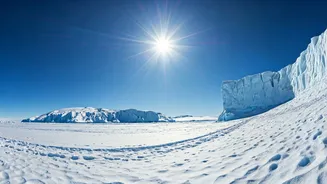
prolonged periods of freezing temperatures, often leading to extreme challenges for inhabitants and visitors alike. Several countries stand out as havens of extreme cold, where the harsh environment shapes every aspect of life. These locations often feature unique geographical features that contribute to their frigid climates, such as high altitudes or proximity to the Arctic. The presence of permafrost, ice sheets, and polar air masses are key factors influencing the cold weather patterns. Understanding the factors behind these extreme temperatures helps to appreciate the resilience of the people, the ecosystems, and the overall beauty of these places.
The Coldest Countries Listed
Identifying the coldest countries requires analyzing historical temperature data and average climate conditions. These are regions where the average annual temperatures are consistently low, and extreme cold events are common. The coldest countries are usually located in the northern hemisphere, including locations close to the Arctic Circle. These areas experience extended winters with sub-zero temperatures for several months. Some countries like Finland, known for their cold winters, feature heavily in any discussion about cold weather. The presence of ice sheets and glaciers can play a huge role in perpetuating the cold conditions, making these environments particularly challenging.
Survival and Adaptation
In the face of life-threatening cold, the inhabitants of the coldest countries have developed incredible survival skills and strategies. Their ways of life involve both physical and cultural adaptations. Traditional housing, clothing, and diet have evolved to provide insulation and protection against the extreme temperatures. The development of specialized technologies, from heated homes to efficient transportation, is key for managing life in these conditions. The strong sense of community and social support networks are crucial. They help people to cope with isolation and shared challenges. The ability to endure these conditions requires a unique blend of resilience, innovation, and respect for the natural environment.
Unique Geographical Features
The geographical features of the coldest countries play a vital role in creating and maintaining their extreme climates. The presence of high altitudes, vast landmasses, and proximity to polar regions are all influential. The mountainous regions, for example, experience colder temperatures due to the decrease in air pressure and lower temperatures at higher elevations. The vast continental areas, like parts of Russia and Canada, allow cold air masses to develop and persist throughout the winter months. The proximity to the Arctic and Antarctic regions increases exposure to polar air. The effects of ocean currents and prevailing winds also contribute to the cold conditions. These geographical factors work in conjunction to create the frigid environments that define the world’s coldest countries.
Life-Threatening Temperatures
The temperatures in the world's coldest places are so low that they pose a significant threat to life. Prolonged exposure to extreme cold can cause frostbite, hypothermia, and other life-threatening conditions. The risk increases during periods of severe weather, such as blizzards and wind chills. These environmental factors create a harsh environment. It is difficult for both humans and wildlife to survive without special precautions. Health authorities and local communities must implement safety measures. These include disseminating weather warnings, providing emergency shelters, and educating people about cold-related risks. The need for specialized medical care and swift response times underscores the need to address the challenges caused by the extreme cold.