





A Land of Islands
Nestled in the southern reaches of Rajasthan, Banswara presents a landscape that defies the typical arid image of the state. This enchanting locale is famously
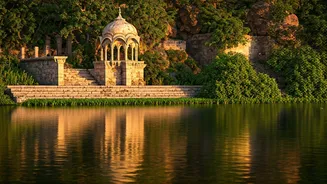
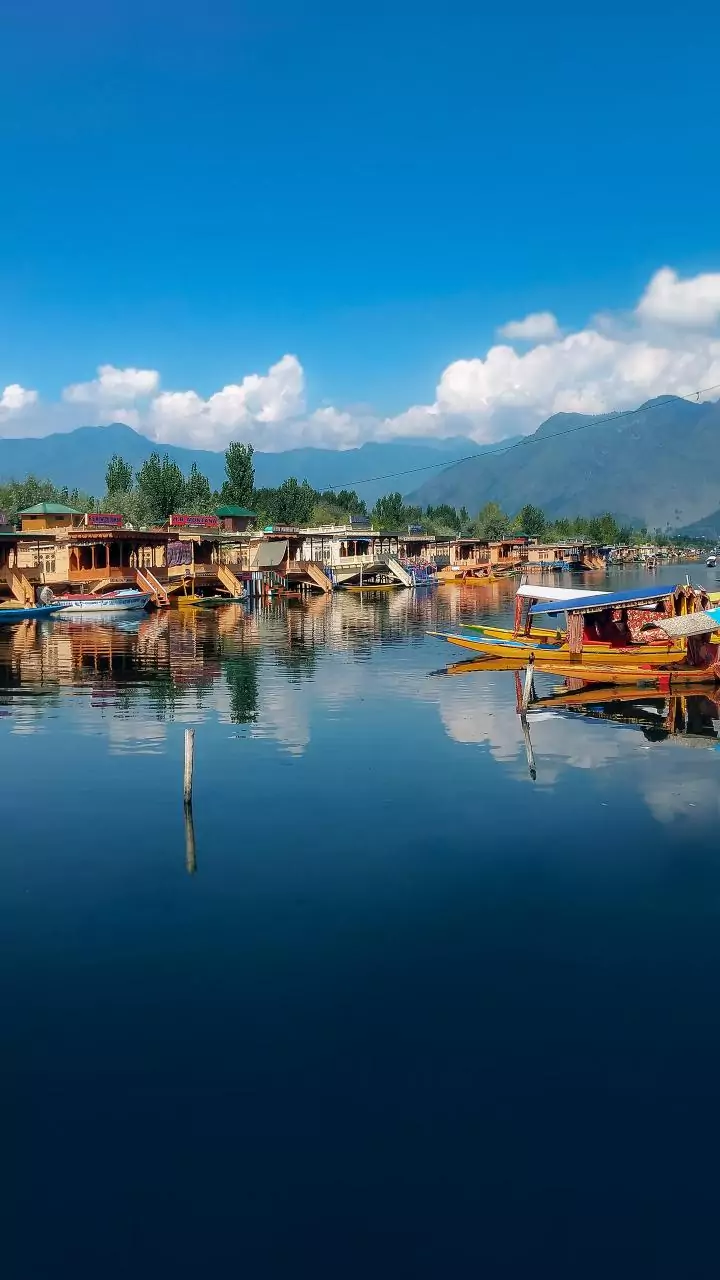
christened the 'City of a Hundred Islands' due to the striking visual spectacle created by the Mahi River's backwaters. The Mahi Bajaj Sagar Project has been instrumental in shaping this unique geography, transforming the river basin into a mosaic of numerous small, verdant islands. These emerald patches, particularly prominent during and after the monsoon season, appear scattered across the water's surface, offering a breathtaking and unexpected panorama. This phenomenon is most pronounced during periods of heavy rainfall when the Mahi River swells, causing its waters to spread and fragment into these picturesque island formations, solidifying Banswara's distinctive identity.
Historical Roots and Naming
The name 'Banswara' itself is deeply rooted in the region's natural abundance and historical narrative. It is derived from the word 'bans,' which signifies bamboo, a plant that once flourished in considerable quantities throughout the area. The local populace is predominantly comprised of the Bhil tribal community, often referred to as the 'bowmen of Rajasthan,' constituting over half of the inhabitants. Historical accounts suggest that the region may have been named after a Bhil leader known as Bansia, or potentially Wasna. Later, the area came under the dominion of Jagmal Singh, who subsequently became the inaugural Maharaval, or ruler, of Banswara, marking a significant shift in its political lineage and historical trajectory.
A Verdant Contrast to Rajasthan
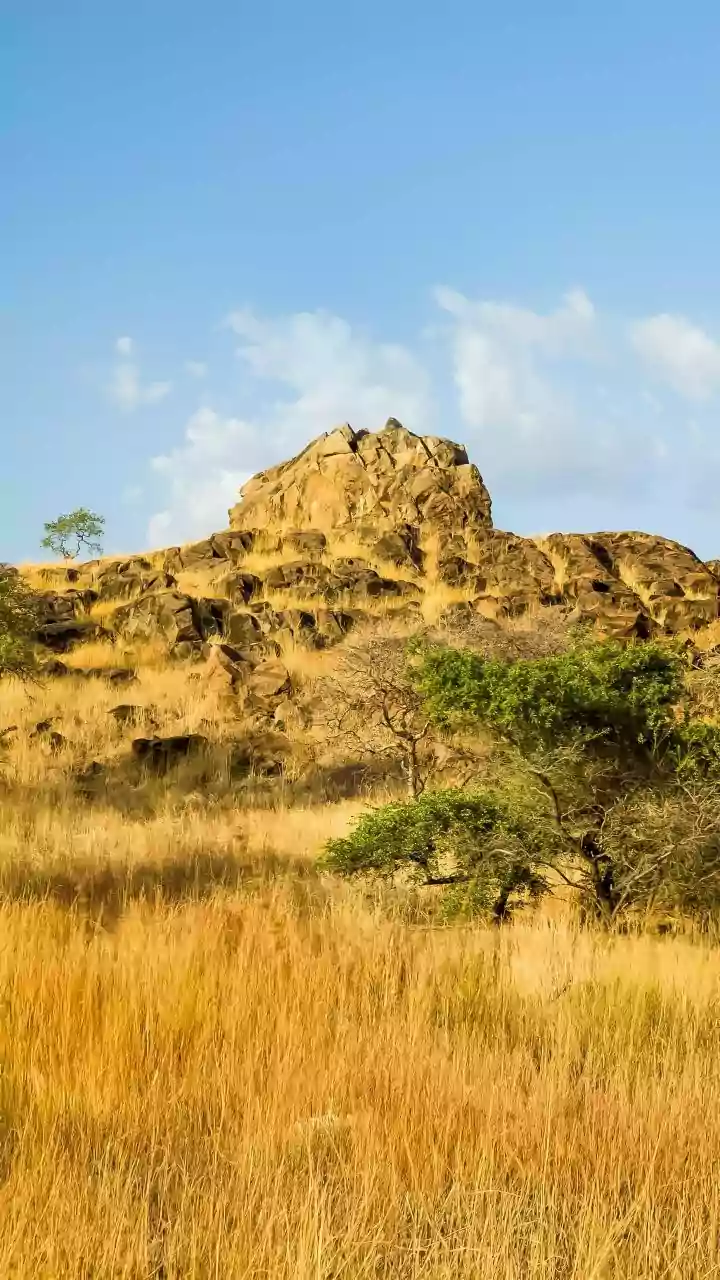
Banswara is situated within the Vagad region of Rajasthan, strategically positioned near the borders with Gujarat and Madhya Pradesh. This district is characterized by a diverse topography, featuring a blend of fertile plains, extensive forests, and rolling hills. Unlike many other parts of Rajasthan that are known for their arid landscapes, Banswara is exceptionally rich in natural water bodies, boasting numerous lakes and rivers, and a pervasive sense of greenery. Its unusually high rainfall, especially when contrasted with the state's average, has earned it the local moniker 'Cherrapunji of Rajasthan.' This epithet perfectly captures the essence of its lush, water-abundant environment, setting it apart as a distinctly green and vibrant corner of the desert state.