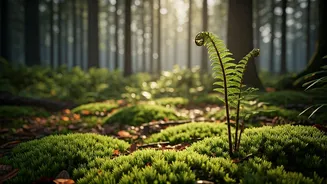








Earthing: Connect to Earth
Earthing, or grounding, involves direct, barefoot contact with the earth – be it grass, soil, or sand. This practice allows your body to absorb the earth's
natural negative electrical charge, which acts as an antioxidant. Scientific studies suggest that this simple act can significantly reduce inflammation, lower stress hormone (cortisol) levels, improve sleep quality, and help regulate your autonomic nervous system, which is often overactive during burnout. To practice, find a natural surface, remove your shoes and socks, and spend at least 20-30 minutes standing, sitting, or walking. Even brief daily sessions can make a difference, and urban dwellers can utilize park grass or even concrete surfaces for a beneficial connection. It’s about intentionally being present with the natural world around you, even in a city setting.
Forest Bathing: Breathe Deep
Originating from Japan, 'forest bathing' or 'shinrin-yoku' is the practice of immersing yourself in nature, particularly among trees, and allowing your senses to absorb the environment. Research indicates that spending time in forests leads to measurably lower cortisol levels and enhanced feelings of calm and happiness compared to urban settings. The theory suggests that trees release beneficial compounds called phytoncides, which we inhale, helping to reduce stress hormones. This practice also allows your mind a break from constant performance demands, offering a space for simple being. For this, find a wooded area or tree-lined path, leave your headphones behind, and walk slowly, deliberately engaging all your senses—listening to sounds, smelling the air, and feeling textures. Aim for at least 45 minutes, though even shorter periods can provide significant benefits, and making it a weekly habit is highly recommended.
Nature Meditation: Find Focus
Nature meditation offers an alternative to traditional mindfulness by using natural elements like water, wind, fire, or stone as anchors for your attention. When burnout makes silent contemplation difficult, these tangible elements provide a more accessible way to calm an overwhelmed mind. You can practice by focusing on the sounds and movements of water, feeling the wind's temperature and rhythm on your skin, observing the steady flame of a candle, or holding a smooth stone to feel its weight and texture. Each element offers a way to gently redirect your focus when thoughts drift, requiring only a few minutes of intentional observation. Even in an urban environment, elements like a park fountain or a simple candle can serve as effective anchors for this restorative practice.
Sky Gazing: Gain Perspective
Sky gazing is an incredibly simple yet profoundly effective practice for combating burnout. It involves lying down or sitting comfortably and simply looking up at the sky for a set period, ideally 10-20 minutes. The sheer vastness of the sky has a remarkable ability to put our personal problems into perspective, helping to quiet the anxious mind that often accompanies burnout. Research suggests that experiencing awe, such as by contemplating something far larger than oneself, can diminish our self-centered concerns in a positive way. The key is to maintain a soft, unfocused gaze, noticing the movement of clouds, shifts in light, or emerging stars without trying to analyze or force any thoughts. If your mind wanders to daily tasks, gently guide your attention back to the expansive view above.